Pork belly is boiled, then deep-fried skin-side down until the skin blisters into tiger-stripe patterns — the signature 'zou you' step — before being sliced thick, pressed into a bowl with Liuyang douchi and aromatics, and steamed for 90 minutes. The douchi's ancient fermented depth saturates every layer. Also called 'tiger-skin kourou', this is one of the canonical dishes of Xiangjiang-valley Hunan cuisine.




The defining ingredient, Liuyang douchi, is among China's most historically documented fermented condiments. In 1972, archaeologists excavating the Western Han-dynasty Mawangdui tomb complex in Changsha recovered douchi traces among the burial provisions, confirming that Hunan residents had mastered black soybean fermentation at least 2,100 years ago. Historical accounts record that by the Tang dynasty, Buddhist pilgrims arriving at Liuyang's Daowushan Mountain and Shishuang Temple were served meals featuring local douchi; travellers carried it home, spreading its reputation across the country. The douchi's raw ingredient, the tuomi black soybean (拖泥豆), is unique to Liuyang and yields the finished condiment's characteristically deep, mellow fermentation aroma. Liuyang douchi production has been designated a Hunan Province Intangible Cultural Heritage. The 'zou you' frying technique — which gives the skin its tiger-stripe blistering — is emblematic of Xiangjiang-valley cooking's philosophy of 'heavy oil, dark colour, robust substance' (油重色浓,讲究软嫩), and combined with the long steam, produces one of Hunan cuisine's most celebrated textural achievements.
The tiger-stripe skin has a slight chew and carries a lacquer-deep soy-douchi glaze; each fat layer is translucent and slides cleanly off the tongue; the lean meat below is fibrous yet yields instantly, with every strand steeped in the pungent, almost smoky depth of fermented black soybean that no other condiment can replicate.
The 'zou you' step is the dish's technical centrepiece: after boiling, the skin's collagen is partially hydrated and pliable. Immersing the skin-side in oil at 180–200°C instantly drives off surface moisture; steam pressure built up beneath the skin inflates it from within, creating the tiger-stripe blisters, while simultaneous Maillard browning generates deep caramel-savoury compounds. The subsequent 90-minute steam reverses the dynamic: moisture rehydrates the blistered skin, converting it to gelatin (soft, trembling texture), while the Maillard flavour compounds remain locked in. Liuyang douchi fermented with Aspergillus moulds accumulates free amino acids (glutamate, lysine), organic acids and enzymatically generated aldehydes over weeks of controlled fermentation; these heat-stable volatiles diffuse progressively deeper into the meat tissue across the long steam, achieving a flavour penetration impossible in short braises.
Variations
Some Hunan versions add chilli bean paste between the pork layers for heat; a Changsha restaurant style brushes honey on the skin before inverting for extra sheen; Guangdong Hakka-influenced versions substitute Yangjiang douchi (阳江豆豉), which is slightly sweeter. Taro slices are sometimes interleaved with pork to add starch absorption layers.
On the Palate
Where Black Bean Pressed Pork sits in the Chinese flavor cloud
Ingredients
Serves 4


How it's made
7 steps · 20 min
- 125 min
Place pork belly in cold water with ginger and scallion; bring to a boil and cook for 20 minutes until the skin is just tender; remove and pat dry; prick the skin all over with a fork and rub generously with dark soy sauce.
- 28 min
Heat oil to 185°C; carefully lower pork skin-side down and cover the wok to guard against splattering; fry for 3–4 minutes until skin blisters into deep-brown tiger-stripe patterns; drain and allow to cool completely.
Watch outLower the belly skin-side down and clap the lid on fast — the wet skin spits violently; fry until it blisters into deep-brown tiger stripes, that's the crust that turns silky in the steam.
- 35 min
Cut the pork crosswise into slices about 1.5 cm thick.
- 45 min
Arrange pork slices tightly skin-side down in a heatproof bowl; scatter Liuyang douchi, minced garlic and sliced ginger evenly over the meat.
- 53 min
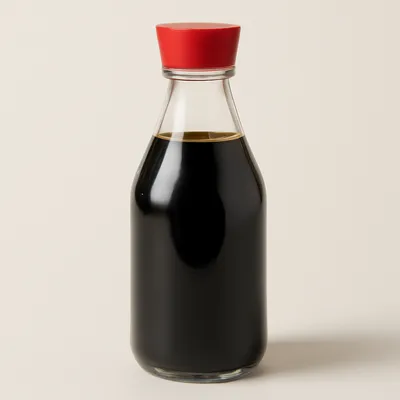
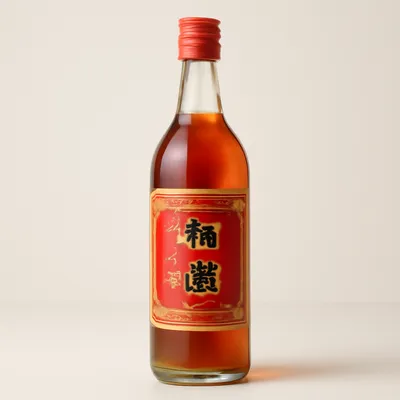
Whisk together light soy sauce, dark soy sauce, Shaoxing wine, rock sugar and a splash of pork broth; pour the sauce over the pork.
- 690 min
Steam over high heat for 90 minutes, replenishing with boiling water as needed; do not open the lid for the first 60 minutes.
Watch outKeep the lid on the first hour and don't peek — dropping the steam stalls the collagen melt and the skin stays tough instead of trembling.
- 73 min
Carefully invert the bowl onto a serving plate so the tiger-skin surface faces up; pour all accumulated juices over the meat and garnish with scallion greens.
Archive tool suggestions — not reviewed
These legacy suggestions have not been evidence-reviewed and are not presented as required tools.


