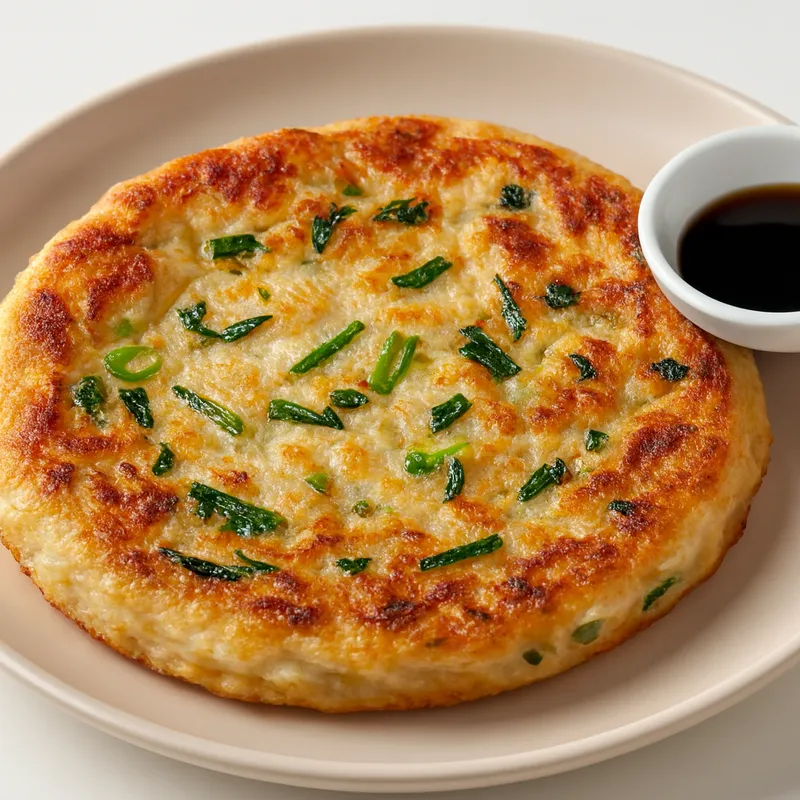
A Wuzhong specialty featuring thick, chewy hand-rolled noodles bathed in rich lamb broth. The dough is rolled, pierced, stretched, and repeatedly twisted into筷子-thick strands, creating a dense, springy texture that stands up to the hearty lamb and vegetable toppings. This labor-intensive noodle showcases the region's mastery of flour craftsmanship.




Cuomian (hand-rolled noodles) is a signature noodle style from Wuzhong, Ningxia's culinary heart. Its technique shares ancestry with Xinjiang's 'latiaozi' (pulled noodles), brought along migration routes through Gansu and Ningxia. Northwestern China's flour craft reaches back well over a millennium, and Wuzhong's Hui Muslim cooks have long been celebrated for fried and braided doughs like 'youxiang' and 'mahua.' The distinctive hand-rolling method—piercing the dough disk, stretching, and coiling into multiple layers before final pulling—creates noodles that are exceptionally chewy and broth-absorbent. In Wuzhong's famous morning tea culture, cuomian is often served alongside 'youxiang' and other traditional pastries, representing the city's enduring flour heritage.
Each chewy strand, thick as a chopstick, carries the springy resistance of hand-worked dough, while absorbing the lamb broth into its core—every bite is both substantial and satisfying.
Cuomian's signature chew comes from intensive gluten development. The dough uses high-gluten flour and rests multiple times, allowing protein networks to fully hydrate and reform. The hand-rolling technique—piercing the dough center, stretching into a rope, then coiling into multiple layers before the final pull—creates a dense, aligned gluten structure that resists overcooking. Each twist increases the dough's surface tension, resulting in noodles that stay springy even after prolonged simmering in broth. The thickness (0.8–1cm) provides a substantial bite and creates a higher surface-area-to-volume ratio, allowing the noodles to absorb the lamb broth while maintaining textural integrity.
Variations
Wuzhong's cuomian is most famous as 'yangrou cuomian' (lamb hand-rolled noodles), but the technique adapts to various toppings. Some versions use beef instead of lamb. Households may add seasonal vegetables: Chinese cabbage in winter, spinach in spring, eggplant in summer. The broth can range from a clear, collagen-rich lamb bone soup to a tomato-based version for a lighter profile. In neighboring Yinchuan, a thinner version called 'shengcuan mian' uses smaller portions. Some restaurants offer 'huocui cuomian' where noodles are stir-fried in the wok after boiling for a smoky, concentrated flavor.
On the Palate
Where Hand-Rolled Noodles sits in the Chinese flavor cloud
Ingredients
Serves 4


How it's made
6 steps · 1 hour
- 135 min
Make the dough: Mix high-gluten flour with water and salt, kneading until very smooth and elastic. Rest for 30 minutes covered.
Watch outKnead until the dough is very smooth and springs back when pressed — under-kneaded dough tears when you pull it and the noodles won't have their chew.
- 2120 min
Prepare the lamb broth: Simmer lamb bones with ginger, scallion, and Sichuan peppercorns for 2 hours. Strain and keep hot.
- 315 min
Shape the noodles: Punch a hole in the center of the rested dough disk. Stretch by hand into a thick rope, then coil into 3–4 layers. Repeat stretching and coiling 2–3 times. Finally pull into chopstick-thick strands (0.8–1cm thick).
Watch outStretch and coil two or three times before the final pull — each fold aligns the gluten so the noodles stay springy even after simmering in broth.
- 46 min
Cook the noodles: Boil the pulled noodles in water for 4–5 minutes until al dente. Drain and divide among serving bowls.
Watch outPull the noodles at al dente, about 4 to 5 minutes — they keep softening in the hot broth, so err on the firm side.
- 510 min
Prepare the topping: In hot oil, stir-fry lamb cubes with ginger and garlic until browned. Add diced radish, potato, and tofu, stir-frying for 2 minutes. Pour in lamb broth and simmer for 3 minutes.
- 63 min
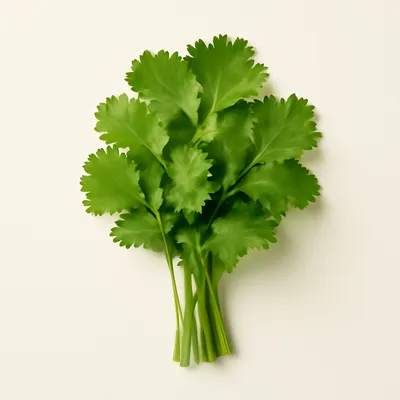
Assemble: Ladle the hot lamb and vegetable broth over the noodles. Drizzle with chili oil to taste. Garnish with coriander and serve immediately.
Archive tool suggestions — not reviewed
These legacy suggestions have not been evidence-reviewed and are not presented as required tools.