A Tamil tamarind curry in which spiced dumplings of coarsely ground raw lentil — toor dal with a little chana dal, fennel, dried chili, and garlic — are dropped uncooked into a simmering tamarind-tomato kuzhambu and poached until they float. The dumplings drink in the tangy gravy as they cook and release starch that thickens it, standing in for vegetables as the dish's protein.
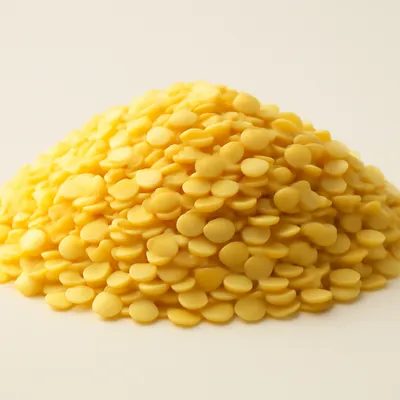




Paruppu urundai kuzhambu belongs to the everyday and festival cooking of Tamil vegetarian households, where a protein-rich lentil dumpling stands in for vegetables in the tamarind kuzhambu that anchors a rice meal. Its defining move is a home technique long passed down in Tamil kitchens: the dumplings are ground coarse and without water and dropped into the pot raw rather than steamed first, then left absolutely undisturbed so they set and poach in the gravy itself — a method prized because the dumplings and curry cook into one another and the released starch thickens the sauce. In the Chettinad country of southern Tamil Nadu the same dish takes on a ground coconut-and-fennel paste, giving a richer, more aromatic gravy than the plainer inland versions.
The dumplings are tender and lightly crumbly, fragrant with fennel and a smoky heat of dried chili; the gravy is sharp with tamarind and rounded by shallot and tomato, thickened just enough to cling. Biting into a ball releases a burst of soaked-in curry against the coarse, nutty grain of the lentil.
Grinding the soaked dal coarse and without water is essential: excess moisture makes the batter loose and the dumplings dissolve, while a dense, low-water paste holds together and keeps a nutty grain. When a raw ball meets the near-boiling gravy, its surface proteins coagulate and its starch gelatinizes fastest at the exterior, forming a set skin within the first minute that seals the interior — which is why the pot must not be stirred until the balls float. As the interior cooks, some surface starch leaches into the gravy and thickens it, while the porous cooked dumpling drinks in tamarind and spice. The balls rising to the surface signals doneness: the set interior has trapped steam, dropping their density below that of the liquid.
Variations
A safer, more common version steams the dumplings for about ten minutes before adding them to the gravy so they hold their shape reliably. Chana dal alone gives a firmer, coarser ball; toor dal a softer one. Chettinad cooks enrich the kuzhambu with a coconut-fennel paste, while some make a lighter paruppu urundai rasam by poaching smaller dumplings in a thin peppery rasam instead of a thick kuzhambu. A pinch of rice flour worked into the dough gives extra insurance against dissolving.
On the Palate
Where Paruppu Urundai Kuzhambu sits in the Indian flavor cloud
Ingredients
Serves 4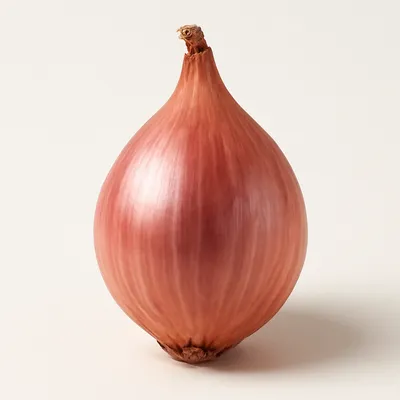



How it's made
8 steps · 25 min
- 115 min
Soak toor dal with a little chana dal in water for about 2 hours, then drain thoroughly.
- 212 min
Grind the drained dal coarse with fennel seeds, dried red chili, garlic, and salt — adding no water — keeping a little texture in the paste.
Watch outGrind the dal coarse with no water at all — any moisture loosens the paste and the dumplings dissolve into the gravy instead of holding.
- 38 min
Mix in chopped onion, curry leaves, and a pinch of asafoetida, then roll into small even balls and set aside.
- 45 min
Soak tamarind in warm water and squeeze out a thick extract.
- 58 min
Heat gingelly oil and temper mustard seeds, fenugreek, dried chili, and curry leaves; sauté shallots and garlic until golden, then add tomato and cook soft.
- 610 min
Add the tamarind extract, chili powder, coriander powder, turmeric, and salt, and simmer until the raw tamarind smell goes and the gravy thickens slightly.
- 73 min
Lower the heat and drop the raw dumplings in one at a time around the pan — do not stir.
Watch outDrop the raw balls in and do not stir — the pot must sit still so each dumpling forms a set skin before you disturb it.
- 810 min
Simmer gently, without stirring, until every dumpling floats to the surface and is cooked through, then finish with fresh coriander.
Watch outSimmer gently and wait for every dumpling to float up — that's the sign they're cooked through; stirring before then breaks them.
Archive tool suggestions — not reviewed
These legacy suggestions have not been evidence-reviewed and are not presented as required tools.



