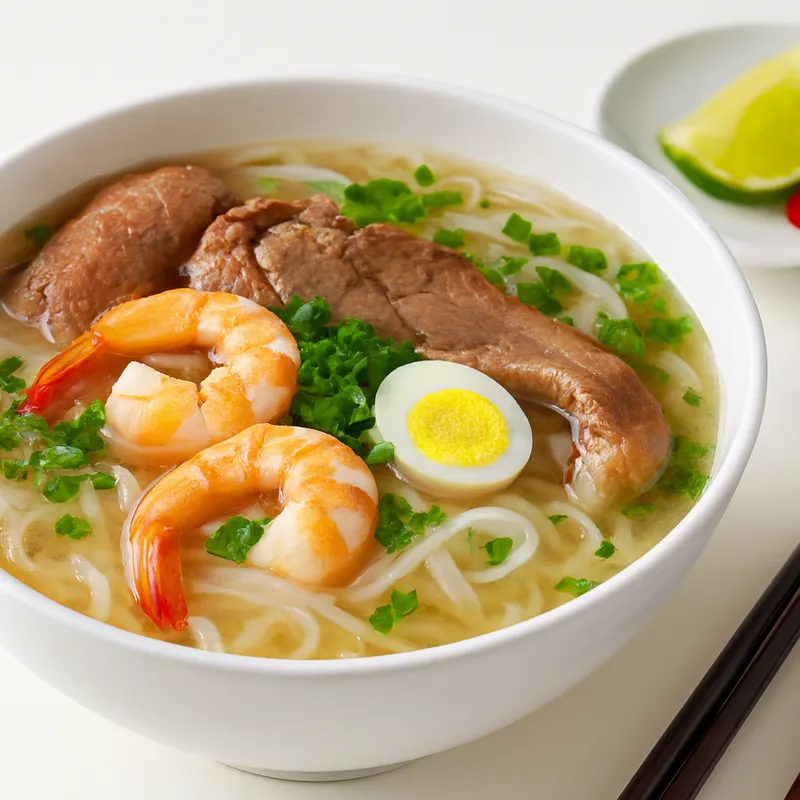
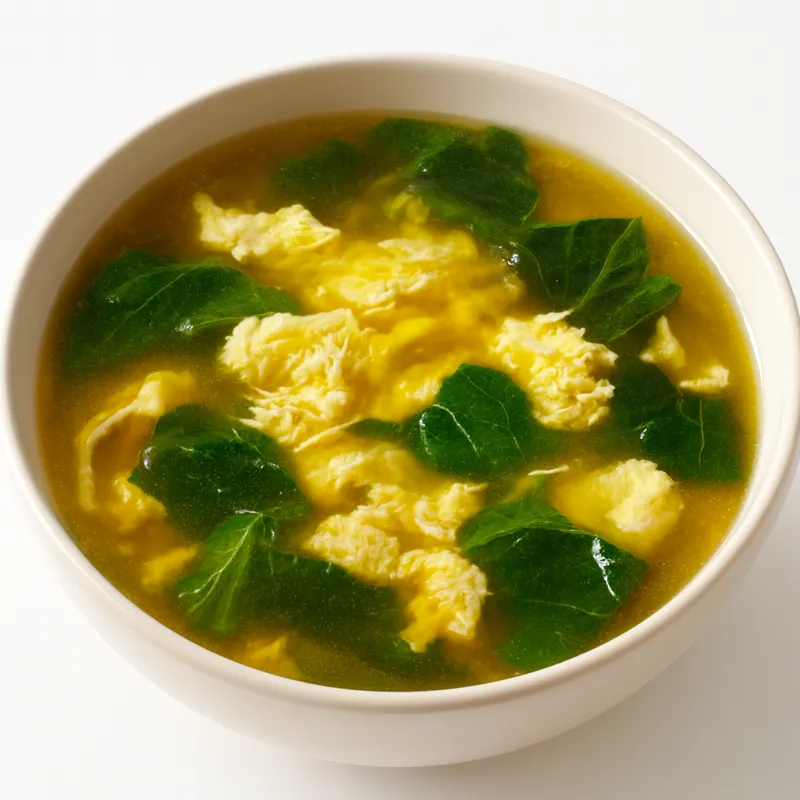
Saigon-Chinese crab-and-asparagus soup: shredded crab meat, white asparagus, beaten egg threads, thickened with cornstarch — a wedding-banquet starter.
Sup mang cua sits at the intersection of Saigon's Cantonese-Vietnamese kitchen and 20th-century French-influenced banquet cuisine. Tinned white asparagus arrived with French colonial supply chains and was adopted into Saigon-Chinese banquet menus from the 1940s onward, paired with crab in the format of Cantonese thickened soups (西湖牛肉羹 / 蟹肉羹 lineage). Today it is the standard wedding-banquet opener across southern Vietnamese restaurants — French ingredient, Chinese technique, Vietnamese seasoning. Fresh asparagus is now available, but tradition holds with the canned version.
Saigon banquet opener — French canned white asparagus, Cantonese cornstarch-glaze technique, Vietnamese fish-sauce seasoning. Slurry must go in at a gentle simmer, not a hard boil; egg threads need a fork and slow circular pour.
A clear, lightly thickened broth — body of a thin gravy, not a stew — flecked with white asparagus rounds, gold egg threads, and shreds of crab. The crab reads sweet and clean against the salt of the broth; the asparagus gives a green-vegetal balance; egg threads are silk. White pepper at the back, a squeeze of lime at the table for brightness. The texture is the point — a bite must hold a little of each component on the spoon, and the cornstarch must be subtle, never gluey.
Two small techniques distinguish a good bowl from a starchy hospital soup. First, the cornstarch slurry must go in while the broth is moving and not boiling hard — high heat denatures the starch into gluey clumps; a gentle simmer cooks it into a translucent glaze. Second, egg threads need three things: low heat, a fork (not a chopstick — the tines spread the stream), and slow circular motion above the pot. Pour from too low or too fast and you get scrambled-egg blobs. The crab goes in last and barely cooks — overcooked crab turns rubbery and loses its sweet flavour.
Variations
Wedding-banquet version uses canned white asparagus and shredded snow crab; high-end Saigon restaurants (Ngoc Suong, Cuc Gach) use fresh asparagus and lump blue swimmer crab; Hanoi adaptations sometimes thicken with arrowroot instead of cornstarch.
On the Palate
Where Sup Mang Cua sits in the Vietnamese flavor cloud
Ingredients
Serves 4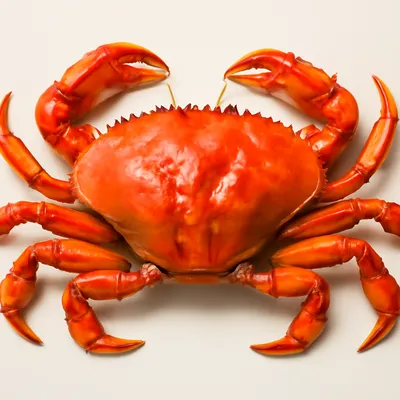





How it's made
6 steps · 25 min active + 10 min waiting
- 18 min
Pick over 200g cooked crab meat (preferably blue swimmer or mud crab), removing any cartilage. Shred coarsely with fingers — keep some lumps. Reserve.
- 23 min
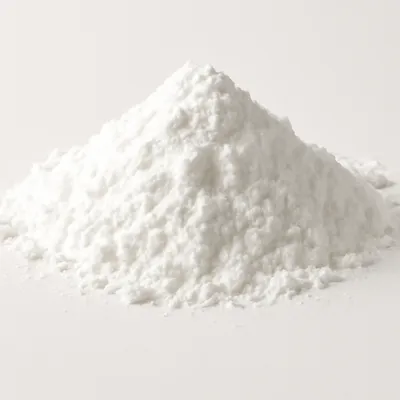
Drain a 400g tin of white asparagus and cut spears into 2cm lengths. Reserve 100ml of the canning liquid for the broth. (Fresh white asparagus is rare in Vietnam; the canned version is the traditional choice.)
- 35 min
In a pot, bring 1.2L chicken stock plus the reserved asparagus liquid to a simmer. Season with 1.5 tbsp fish sauce, 1 tsp sugar, pinch white pepper. Add the asparagus and simmer 3 minutes.
Watch outEnsure the broth reaches a gentle simmer to avoid overcooking the asparagus.
- 42 min
Add the crab meat. Simmer 2 minutes — just enough to warm through. Don't stir aggressively or the lumps shred to nothing.
Watch outWarm the crab through with the gentlest stir — push it around hard and the lumps shred to threads and the sweetness cooks right out.
- 52 min
Whisk 3 tbsp cornstarch with 5 tbsp cold water. Drizzle into the simmering broth while stirring in one direction. Cook 1 minute — broth thickens to a glossy, light-bodied gravy that coats a spoon.
Watch outDrizzle the slurry into a gentle simmer, not a hard boil, stirring one way — too hot and the starch seizes into gluey clumps instead of a clear, spoon-coating glaze.
- 62 min
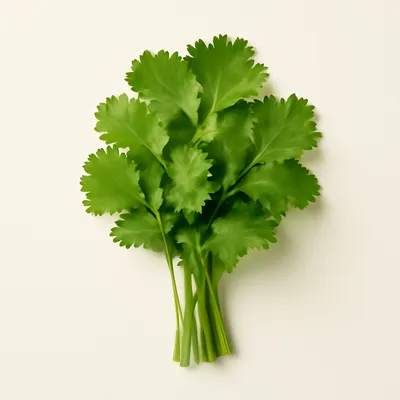
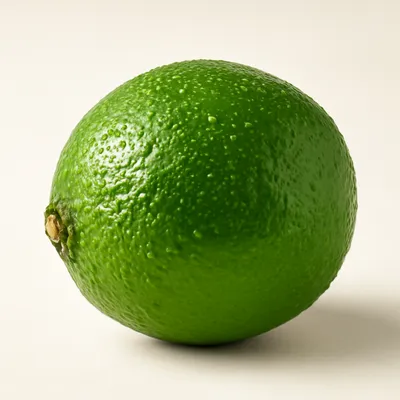
Beat 2 eggs lightly. With the broth at a low simmer, pour the egg through the tines of a fork held above the pot, moving in a slow circle — egg sets in fine threads. Off heat. Top with chopped coriander, scallion, white pepper, a few drops of toasted sesame oil. Serve in small bowls with a wedge of lime.
Watch outPour the egg through the fork tines over a low simmer in slow circles — hold it high and lazy and it sets into fine threads; too fast or too low gives scrambled blobs.
Archive tool suggestions — not reviewed
These legacy suggestions have not been evidence-reviewed and are not presented as required tools.