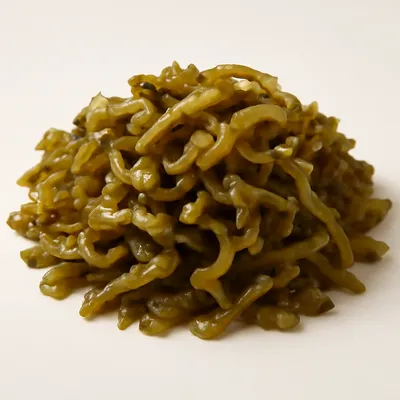
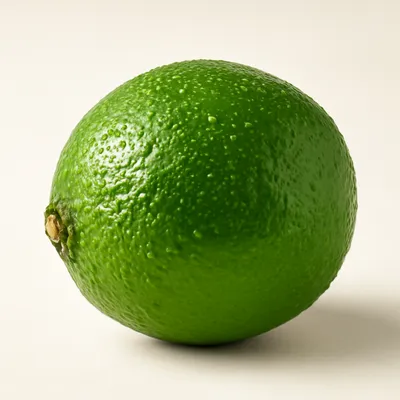
A Nanning rice noodle pressed fresh to order from a lightly fermented rice-flour dough, best known in the Wuming and Yongning (Pumiao) districts. Soaked rice is left to ferment a day or two, ground to a slurry, pressed dry, kneaded and part-steamed into a dough, then extruded as round strands straight into boiling water through a perforated press. The fermentation gives the noodle its signature soft, slippery body and a faintly sour, almost musty 'fermented' aroma (馊香) that is its whole point. It is dressed with minced pork, crumbled pickled mustard tuber (头菜), fried bean-curd bits and a knot of perilla (紫苏), with peanuts, sour bamboo and a squeeze of lime to taste. It must be eaten fresh from the press and does not keep.
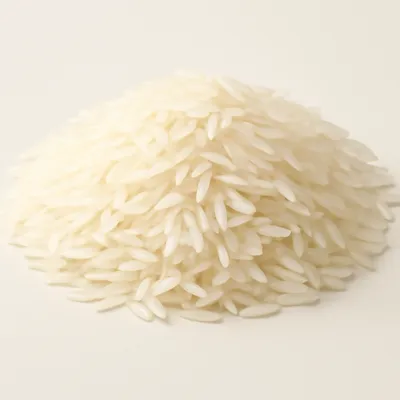




Fresh-pressed rice noodles come from Nanning and its surrounds — Wuming, Yongning's Pumiao town, Heng county and Binyang — where they are an everyday morning staple. The exact origin and date are unrecorded; it is a folk rice-noodle craft passed down locally rather than a dish with a documented inventor. What is firm is the heritage record: the craft of making Nanning fresh-pressed rice noodles entered Guangxi's sixth autonomous-region-level list of intangible cultural heritage in 2016. Its defining trait, set down in every account, is the deliberate fermentation of the rice before pressing, which gives the noodle a soft texture and the faintly sour, musty aroma that distinguishes it from Guangxi's other rice noodles; the older, stronger-smelling style is prized by locals while milder versions are made for newcomers to the taste.
The strands are soft and slippery, more tender and yielding than the springy snap of Guilin noodles, and they carry that unmistakable smell — a gentle sourness shading into something frankly musty, the 馊香 that newcomers balk at and locals crave. Underneath the aroma the rice itself tastes clean and slightly sweet. The dressing is dry and savory: salty minced pork, the sharp pickled crunch of crumbled 头菜, chewy fried bean-curd bits, all lifted by the cool herbal lift of perilla, with peanuts for crunch, sour bamboo for tang and a squeeze of lime to brighten. Done well the noodle is soft yet whole, sour-fragrant rather than rancid; done badly it has been pressed from over-fermented dough and turns genuinely rotten-smelling and slimy, or under-fermented and bland, losing the 馊香 that is the whole reason to eat it.
The noodle is defined by a controlled fermentation, and the sour-musty aroma is biology, not vinegar. Soaked rice is held a day or two — faster in summer heat, slower in winter — during which wild lactic-acid bacteria sour the grain, producing the lactic acid behind the tang and the volatile compounds behind the 馊 aroma. The slurry is then ground, pressed dry, kneaded, and crucially only part-cooked: the dough ball is steamed just until a layer about one to two centimeters deep is cooked through, 'like a pomelo rind,' leaving a raw core. Mixing the cooked skin back into the raw center gives a dough with the right cohesion to extrude — the cooked starch (gelatinized and partly retrograded) binds the strand while the raw starch lets it stay soft. Pressed through the perforated mold straight into boiling water, each strand sets instantly, holding the soft, slippery body. Because the dough is alive and only just set, the noodle cannot be stored; it is pressed to order and eaten at once, perilla and the dry savory toppings balancing the ferment.
Variations
Local styles diverge mainly by how strong the ferment is and what goes on top. The Pumiao (Yongning) style is famous and leans to the older, fuller-fermented taste; vendors increasingly offer a milder, less pungent press for those new to it. The standard 'old three' toppings are scallion, shredded greens and perilla over the noodle, with minced pork and a savory braising liquid (卤汁) added; the Pumiao bowl is known for crumbled pickled mustard tuber (头菜), minced pork and fried bean-curd strips. Diners build the rest to taste with peanuts, fried sour bamboo, pickled long beans and lime. It can be served dry-dressed or in a light broth, and is counted among Nanning's beloved rice noodles beside laoyou fen; both are Nanning, but laoyou fen is a sour-hot stir-cooked bowl while this is the soft, fermented fresh-pressed strand.
On the Palate
Where Fresh-Pressed Rice Noodles sits in the Chinese flavor cloud
Ingredients
Serves 4
How it's made
7 steps · 1 hour 30 min
- 11440 min
Soak indica rice in water, then leave it to ferment for one to two days (shorter in summer, longer in winter) until it smells faintly sour.
Watch outFerment the soaked rice a day or two until it smells faintly sour — that lactic tang is the noodle's signature, and it comes from the fermentation, not from vinegar.
- 230 min
Grind the fermented rice with water into a fine slurry, then press or hang it in a cloth bag to drain off the water into a stiff wet flour.
- 38 min
Knead the drained rice flour into a smooth dough, working it until cohesive.
- 415 min
Steam the dough ball until a layer about one to two centimeters deep is cooked through — 'like a pomelo rind' — leaving the center raw, then knead the cooked outside back into the raw core to make a pliable pressing dough.
Watch outSteam the dough ball only until a rind about one to two centimeters deep is cooked — 'like a pomelo rind' — then knead that cooked skin back into the raw core for a pliable pressing dough.
- 56 min
Load the dough into a perforated press held over a pot of boiling water and press it through so the round strands drop straight into the water; cook until they float and are just done, then lift out.
Watch outPress the strands straight into the boiling water and lift them the moment they float and are just done — overcook and they go soft and mushy.
- 66 min
Fry minced pork with crumbled pickled mustard tuber (头菜) until savory; have fried bean-curd bits, peanuts, sour bamboo and a braising liquid ready.
- 72 min
Pile the hot noodles in a bowl, top with the pork-and-头菜 mixture, bean-curd bits and a knot of perilla, add peanuts, sour bamboo and a squeeze of lime, and serve at once.
Archive tool suggestions — not reviewed
These legacy suggestions have not been evidence-reviewed and are not presented as required tools.