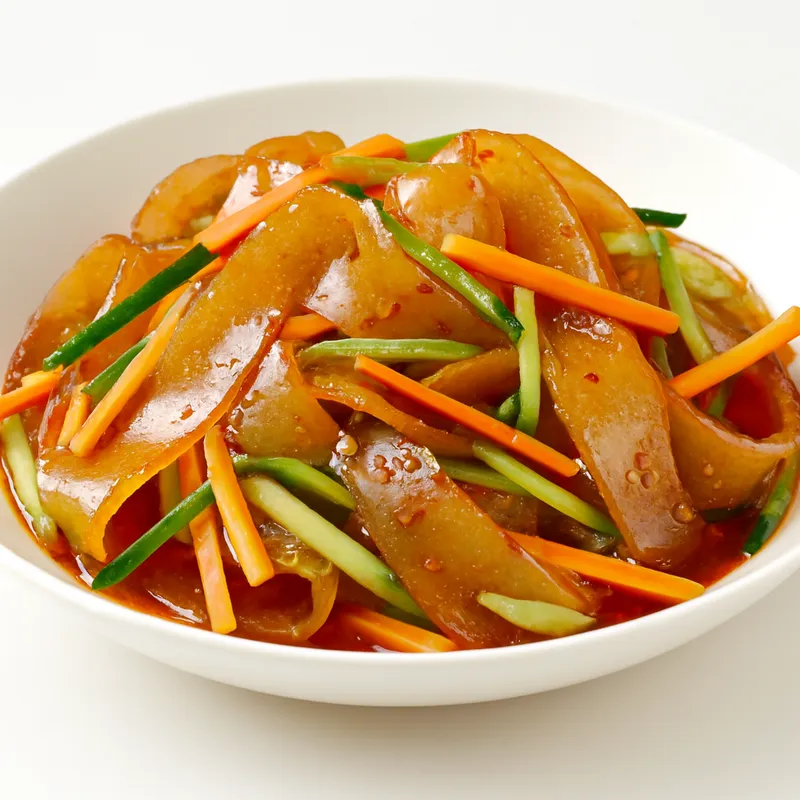
Pork belly slices coated in a toasted blend of glutinous rice, regular rice, and red yeast rice, then pan-fried in camellia oil until deeply golden — a signature festive dish from Yangqiao township in Hengdong County, Hunan. The grain crust shatters at the bite while the interior stays yielding and perfumed with rice wine.





From Yangqiao township in Hengdong County, Hengyang, Hunan. Local tradition holds the dish was originally called Scholar's Meat (夫子肉), honoring Wang Fuzhi (1619–1692), the great Neo-Confucian philosopher native to Hengyang — 'fuzi' being an honorific for a great teacher — with the spelling shifting over time by phonetic association to the grain-powder character (麸子). The dish radiates from Yangqiao to neighboring Shiwan, Yanglin, and Wuji townships and was officially recognized among twenty authentic Hengyang signature dishes at the 2021 'Taste of Hunan — Hengyang Flavor' culinary competition.
The crust shatters with a dry, nutty crack; roasted grain fragrance rises immediately, followed by pork belly whose fat runs warm and salt-wine sweet. Red yeast rice stains the crust deep mahogany and the toasted rice adds an earthiness that standard flour breading never achieves.
Dry-toasting the grain mix drives Maillard reactions between amino acids and reducing sugars in each rice variety, generating hundreds of aromatic compounds and a golden-brown color before any oil is added. Pan-frying in hot camellia oil triggers a second wave of Maillard reactions at the crust surface, deepening both color and fragrance. Red yeast rice contributes monascus pigments — primarily polyketide compounds — that give the crust its distinctive reddish-brown hue. The 24-hour salt-and-rice-wine marinade draws surface moisture outward through osmosis, partially denaturing surface proteins and tightening the meat so the grain crust adheres firmly and crisps cleanly rather than steaming off.
Variations
Steamed version: coat and steam for 20 minutes, skipping the pan-fry step — the crust softens and absorbs rendered pork fat, yielding a silkier, unctuous texture. Some Hengdong households add five-spice to the grain powder. A commercial vacuum-packed version from Yangqiao brands is now sold across Hunan province.
On the Palate
Where Yangqiao Glutinous-Crusted Pork sits in the Chinese flavor cloud
Ingredients
Serves 4
How it's made
7 steps · 30 min
- 110 min
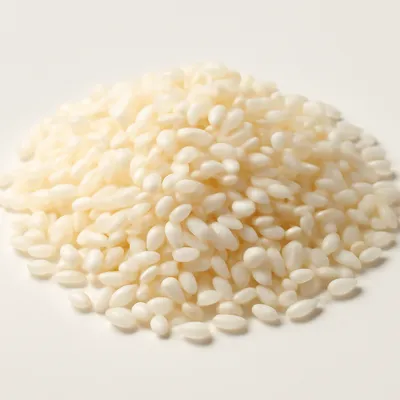
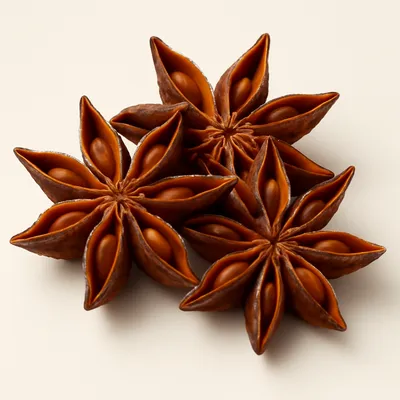
Dry-toast glutinous rice, regular rice, and red yeast rice together in a wok over medium heat, stirring constantly for 8 minutes until grains are fragrant and lightly golden. Add star anise and white pepper for the final 2 minutes, then remove and cool completely.
Watch outDry-toast the grain mix stirring constantly until fragrant and lightly golden — that first toast builds the nutty aroma before any oil; let it scorch and it turns bitter.
- 25 min
Grind the toasted grains in a mortar or blender to a coarse, gritty powder — retain some texture and do not over-grind to fine flour.
- 35 min
Cut pork belly into rectangles about 7 cm × 4 cm × 0.3 cm. Toss with salt, light soy sauce, and rice wine until evenly coated. Marinate at room temperature for 1 hour, or refrigerate for up to 24 hours.
- 45 min
Remove pork from marinade. Press each slice firmly into the grain powder on both sides, patting to ensure a thick, even crust adheres without gaps.
Watch outPress each slice firmly into the grain powder so a thick, even crust sticks with no gaps — bare spots won't crisp.
- 53 min
Heat camellia oil in a heavy skillet or cast-iron pan over medium-low heat until shimmering. Lay the coated pork in a single layer without crowding.
- 67 min
Fry undisturbed for 3–4 minutes until the bottom is deeply golden and crisp. Flip and fry the second side 2–3 minutes until evenly browned and the pork is cooked through.
Watch outFry undisturbed until the bottom's deeply golden and crisp before flipping — flip too early and the crust tears off.
- 72 min
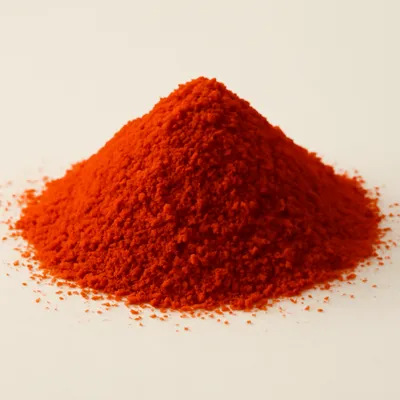
Transfer to a serving plate, dust with chili powder, scatter scallion rounds on top, and serve immediately while the crust is still crisp.