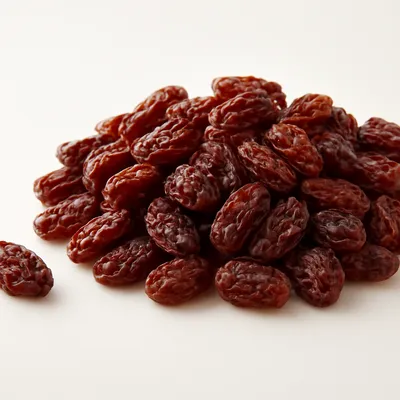
Messina's swordfish rolls, a Sunday second course of the Strait. Thin slices of swordfish are wrapped around a Sicilian panure of toasted breadcrumbs, pine nuts, raisins and pecorino, threaded onto skewers between bay leaves and onion, then grilled or pan-cooked and finished with lemon. The sweet-savoury filling, raisins set against salt and cheese, is an Arab inheritance, and the fish itself comes from the ancient harpoon hunt for swordfish in the waters between Sicily and Calabria.
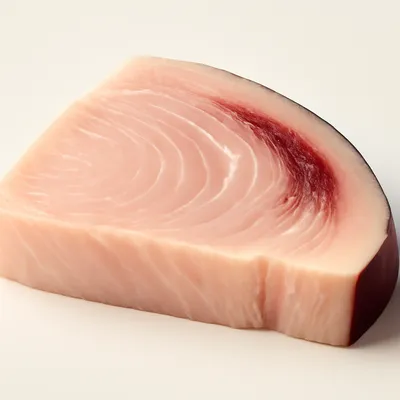




Swordfish has been taken in the channel of the Strait of Messina since deep antiquity: the harpoon hunt was already described by the Greek historian Polybius in the second century BC, and some trace it to Phoenician times. It was worked from the feluca, a slim sailing craft whose very name comes through the Arabic faluka from the Greek, and whose modern descendant still carries a tall sighting mast and a long gangway for the harpooner. The rolls belong to home cooking across Sicily but are especially at home in Messina and Catania. Food historians note that the costlier additions, above all the swordfish flesh worked into the stuffing and the pine nuts, were probably not in the original poor man's version, which leaned on stale bread and the Arab habit of setting sweet against salt.
Firm swordfish, kept just moist inside its wrapping, gives way to a soft, savoury-sweet filling: toasty breadcrumbs and pine nuts, little bursts of sweetness from the raisins, sharp salt from the pecorino, all lifted by bay and a squeeze of lemon. Meaty and satisfying without being heavy, more delicate than a meat involtino.
Swordfish is a dense, meaty fish whose muscle proteins set around 50°C and, pushed much past 60°C, contract and squeeze out moisture, so the rolls are cooked hot, fast and briefly. Wrapping the fish around the filling shields it from direct heat and traps steam, keeping the inside moist while the outer breadcrumbs brown by the Maillard reaction. The stale-bread stuffing is the key binder: it soaks up the fish juices and melted pecorino so nothing is lost, while the soaked raisins release sugars that balance the cheese's salt in the classic agrodolce. Bay leaves pressed between the rolls give up aromatic oils such as eucalyptol in the heat, and a final squeeze of lemon adds acid that sharpens the whole and cuts the richness.
Variations
Every family has its own stuffing. Some fold in caciocavallo instead of or alongside pecorino, add capers, chopped olives or a little tomato, or bind the crumbs with beaten egg. The rolls are grilled on skewers with bay and onion, cooked in a pan, or baked; the same sweet-savoury filling and swordfish also appear stacked as a caponata or as larger braciole. Catania makes its own close cousin, and along the coast the involtini share a table with swordfish cooked alla ghiotta in tomato, capers and olives.
On the Palate
Where Involtini di Pesce Spada alla Messinese sits in the Italian flavor cloud
Ingredients
Serves 4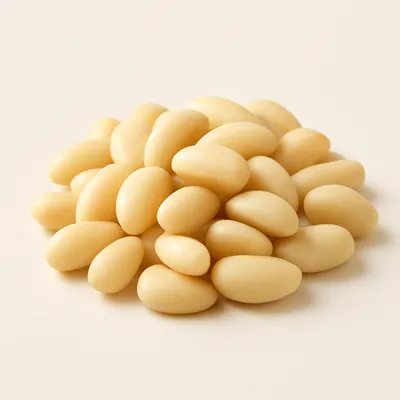



How it's made
8 steps · 30 min
- 115 min
Cut the swordfish into thin slices and pound gently between sheets of paper into even, wide sheets.
Watch outPound the slices even and thin, but don't tear them — a hole lets the filling and melted cheese leak out on the grill.
- 210 min
Soak the raisins in warm water until plump, then squeeze them dry.
- 312 min
Toast the breadcrumbs and pine nuts in a little olive oil until golden, then off the heat mix in the raisins, grated pecorino, chopped parsley and lemon zest.
- 415 min
Lay a little filling on each swordfish slice and roll it up snugly.
- 510 min
Thread the rolls onto skewers, alternating with bay leaves and wedges of onion.
- 65 min
Brush the skewers with oil and roll them lightly in breadcrumbs.
- 712 min
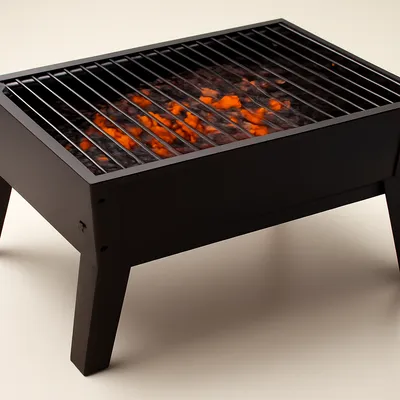
Grill or pan-cook the skewers, turning, until just cooked through and golden.
Watch outGrill hot and fast, just to cooked-through — swordfish past sixty degrees squeezes out its juice and turns dry and tough.
- 85 min
Rest briefly, finish with a squeeze of lemon and serve warm.
Archive tool suggestions — not reviewed
These legacy suggestions have not been evidence-reviewed and are not presented as required tools.