
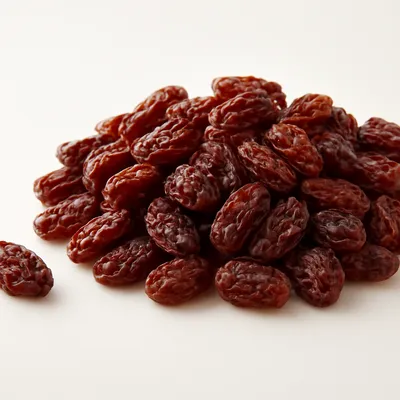
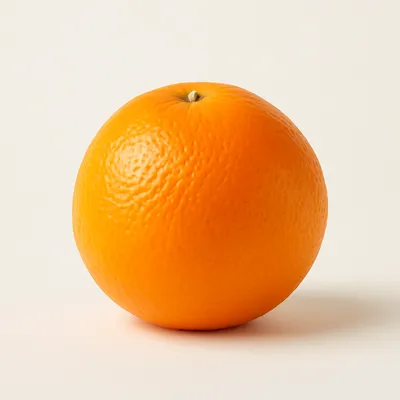
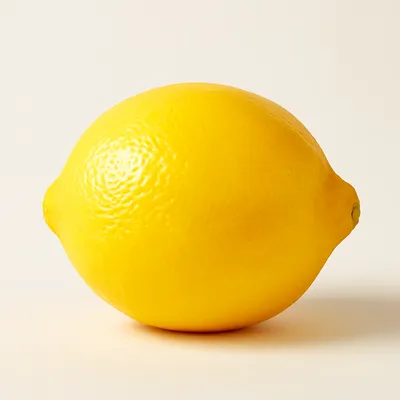
A Sicilian dish of fresh sardines, boned and butterflied, rolled around a filling of toasted breadcrumbs, pine nuts, raisins, and parsley moistened with orange and lemon juice. The rolls are packed snugly into a baking dish tail-up, separated by bay leaves, dressed with citrus juice and olive oil, and baked until the crumb sets into a savory-sweet crust. The upturned tails are said to mimic the beccafico, a small fig-eating bird once prized by the Sicilian nobility. It is served warm or at room temperature as a starter, though a larger portion stands as a light main.



The dish belongs to Sicily, and is most closely tied to Palermo. Its name comes from the beccafico (literally «fig-pecker», from beccare, to peck, and fico, fig), the garden warbler — a small bird that fattens on ripe figs in late summer and was hunted and served whole, tail-up, as a delicacy by the island's aristocracy in the eighteenth and early nineteenth centuries, when a French-staffed Bourbon court was based in Palermo. Unable to afford the game birds, ordinary Sicilians made a cucina povera imitation from sardines, which were cheap and plentiful, twisting the fish tail upward to echo the bird. The sweet-savory filling of raisins and pine nuts reflects the lasting Arab imprint on Sicilian cooking — raisins, pine nuts, and the wider agrodolce taste were among the ingredients and ideas introduced during Arab rule of the island. No single inventor or precise date is recorded.
Tender, oily sardine giving way to a warm, moist filling — toasted crumb for body, the sweet pop of plumped raisins, the resinous crunch of pine nuts, and parsley and citrus keeping the whole thing bright rather than cloying. The crust on top is crisp and a little caramelized; the bay leaves perfume the fish without being eaten. Made with truly fresh sardines it tastes clean and sweet of the sea; tired fish turns fishy and metallic, and overbaking dries the sardine out and leaves the crumb dusty instead of moist.
Each sardine is scaled, gutted, beheaded, and the spine lifted out so the fish opens flat as a single butterflied fillet, tail left on. The toasted breadcrumb is the structural heart of the filling: toasting drives off moisture and develops nutty Maillard flavor, and the dry crumb then soaks up the citrus juice and oil and binds the raisins and pine nuts into a cohesive stuffing that holds inside the roll. Baking at roughly 180 to 200°C for about 20 minutes is gentle and brief enough to set the oily flesh without squeezing out its fat and drying it, while the splash of orange and lemon juice does double duty — the acid firms and seasons the fish and lifts the richness. The balance is an agrodolce one: raisin sweetness played against citrus tartness and the salty, savory crumb, often sharpened with a little anchovy. Bay leaves tucked between the rolls release aromatic oils such as cineole into the fish as it bakes.
Variations
The best-known split is regional. Sarde a beccafico alla palermitana, the Palermo style, rolls each sardine around the sweet breadcrumb-raisin-pine nut filling and bakes them tail-up with bay leaves and citrus; raisins (often the small Corinth kind) make it the sweeter, more delicate version. Sarde a beccafico alla catanese, from eastern Sicily, instead sandwiches the filling between pairs of sardines and frequently works egg and a grated cheese such as caciocavallo or pecorino into the stuffing, and the parcels are commonly breaded and fried rather than baked. Many cooks add chopped anchovy to the crumb for savor, and the same beccafico-style stuffing concept is applied to other foods. All of these descend from the noble dish of the actual beccafico birds, roasted whole, that the sardine version was created to imitate.
On the Palate
Where Sarde a Beccafico sits in the Italian flavor cloud
Ingredients
Serves 4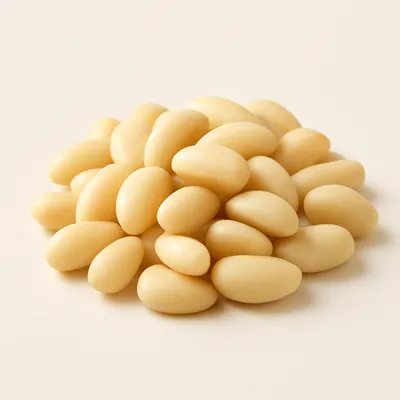


How it's made
8 steps · 55 min
- 120 min
Scale, gut, and behead the sardines, then open each one out and lift away the spine to leave a flat butterflied fillet with the tail still attached. Rinse and pat dry.
- 25 min
Toast the breadcrumbs in a dry pan or with a little olive oil until golden and fragrant, then tip into a bowl.
Watch outToast the breadcrumbs until golden and nutty — the dry, toasted crumb is the structural heart that soaks the citrus and binds the filling; raw crumb goes pasty and can't hold.
- 36 min
Soak the raisins in warm water until plump, drain, and stir them into the crumbs with the pine nuts, chopped parsley, a little orange and lemon juice, olive oil, and salt to a moist, cohesive filling.
- 48 min
Lay each sardine skin-down, spread a spoonful of filling over it, and roll up from the head end so the tail stands upright.
Watch outRoll each sardine from the head end so the tail stands upright — that's the beccafico shape, and a loose roll spills its filling in the oven.
- 56 min
Pack the rolls snugly tail-up in an oiled baking dish, tucking a bay leaf between each one.
- 62 min
Spoon the remaining filling over the top, then dress with a little more orange and lemon juice and a drizzle of olive oil.
- 720 min
Bake at 180 to 200°C for about 20 minutes, until the sardines are just cooked and the crumb topping is crisp and golden.
Watch outBake only about 20 minutes, just until the sardines are set — oily fish overcooks fast, squeezing out its fat and drying hard.
- 83 min
Let rest a few minutes and serve warm or at room temperature, with extra lemon to squeeze over.
Archive tool suggestions — not reviewed
These legacy suggestions have not been evidence-reviewed and are not presented as required tools.


