


A staple of central Arabia — Najd region, modern-day Saudi Arabia — going back at least to the 18th century, when bedouin and oasis farmers used cracked wheat as a cheaper, faster alternative to whole-grain harees. Wheat was traded into the Arabian interior from the Levant; the dish became wedding and feast food precisely because it stretched expensive meat across a heavy grain base. Still served at Saudi marriage banquets and Eid.
Najd staple going back to the 1700s — bedouin and oasis farmers used cracked wheat as faster, cheaper alternative to whole-grain harees. Jareesh is parboiled durum wheat cracked into 3–4 pieces per kernel; the parboil is what releases starch on second cook, so the dish thickens itself without flour or cream.
Coarsely cracked wheat cooked down with chicken or lamb until the grain breaks open and goes creamy on its own. The texture sits between risotto and porridge; you can see individual broken kernels but they bind into one body. Black lime, dried onion, and a hit of bezar spice (cumin, coriander, turmeric, black pepper) carry the flavor; the traditional Najdi version is enriched with yogurt or milk and a spoonful of ghee for a silkier, richer body. Topped with caramelized onion. Eat with the right hand or a spoon; the proper version pulls cleanly off the plate.
The wheat is jareesh — hard durum-type wheat coarsely cracked into 3-4 pieces per kernel. Cracking exposes the starchy endosperm, so during the long simmer the released amylose and amylopectin dissolve into the broth and the dish thickens itself without flour or cream (the yogurt or milk often stirred in is for richness, not body). Cook time is 90 minutes minimum on low; the grain has to actually fall apart. Dried black lime (loomi) is non-negotiable — boiled in brine then sun-dried until the insides blacken and hollow, it gains a Maillard-browned, fermented sour-funk that fresh lemon cannot reproduce.
Variations
Saudi Najdi jareesh with lamb and bezar; Kuwaiti version adds yogurt at the table; Bahraini margoog cousin uses thin dough sheets instead of cracked wheat; Yemeni-style jareesh is spicier with shatta.
On the Palate
Where Jareesh sits in the Gulf flavor cloud
Ingredients







How it's made
7 steps · 1 hour 30 min
- 15 min
Rinse the wheat thoroughly and soak it in water for at least 30 minutes.
- 221 min
In a large pot, sauté chopped onions in a bit of oil until they are golden.
Watch outTake the onions all the way to deep golden before the meat goes in — that browned sweetness is the base note the whole pot builds on.
- 35 min
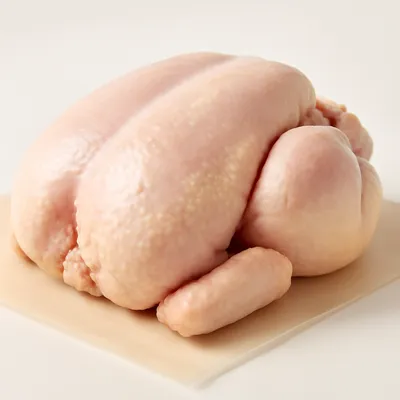
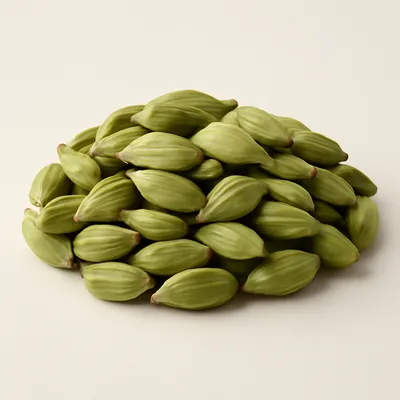
Add chicken pieces, and sprinkle with cinnamon, cardamom, and cumin, cooking until the chicken is browned.
Watch outBrown the chicken with the spices until the surface colors and smells toasted, not just gray — you want a seared crust, not steamed meat.
- 48 min
Stir in chopped tomatoes and cook until they begin to break down.
- 55 min
Drain the soaked wheat and add it to the pot, mixing well with the chicken and tomatoes.
- 639 min
Pour in enough water to cover the mixture, bring to a boil, then reduce heat and simmer until the wheat is tender.
Watch outSimmer low and long until the cracked wheat actually breaks down and the pot thickens on its own — the grain has to fall apart, no shortcut under 90 minutes.
- 78 min
Stir in yogurt before serving for a creamy finish.
Archive tool suggestions — not reviewed
These legacy suggestions have not been evidence-reviewed and are not presented as required tools.