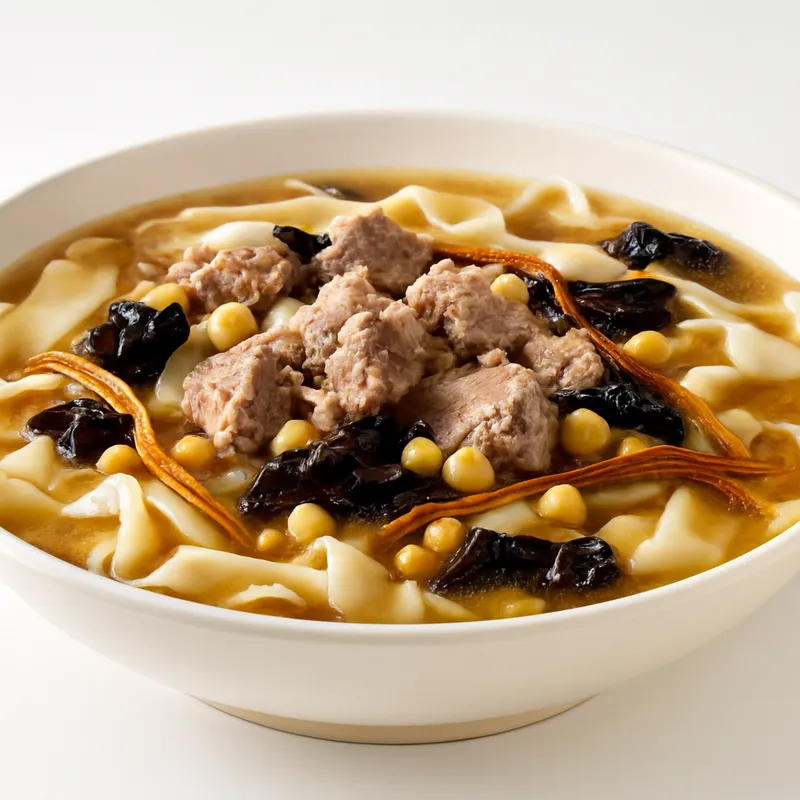
Xi'an bowl of long-simmered pork intestine and stomach over diner-torn flatbread, in a heavily spiced pork-bone broth.
A Xi'an dish from the city's Han (non-Muslim) neighborhoods — sometimes traced back to a Tang-era physician's prescription for a digestive bowl, more reliably documented from late Qing when the famous Chunfasheng shop opened in the Bell Tower area. The name 葫芦头 is popularly explained two ways: a legend that physician Sun Simiao hung his medicine gourd at the shop after fixing the recipe, and more concretely that the fatty section where the large intestine joins the stomach/small intestine is shaped like a gourd. It's eaten as a heavy breakfast or late-morning meal, in the same paomo tradition as yangrou paomo but with offal instead of lamb.
A Xi'an Huimin Quarter dish from late Qing — Chunfasheng opened near the Bell Tower as the named shop. 葫芦头 refers to the gourd-shape of the cleaned intestine end. Lives or dies on the salt-vinegar-flour scrub in three rounds; skip the cleaning and the bile film perfumes the whole pot.
Hot, deep, dark. The spiced broth hits first — cardamom and fennel pushed forward, white pepper that opens the back of the nose. Intestine pieces have a soft chew with no funkiness if cleaned right; stomach is firmer, almost crisp. The torn flatbread underneath has bloomed into chickpea-sized sponges holding broth in their centers. You eat with a spoon and chopsticks together. If the intestine smells off at all, the cleaning was rushed.
The dish lives or dies on the intestine clean. Pork large intestine carries a layer of mucus and bile-bitter inner film that, if not stripped with repeated salt-and-vinegar hand-scrubbing as part of a dozen-plus cleaning steps, will perfume the entire pot of broth and ruin every other ingredient. The 'guan tang' triple pour at the end isn't a flourish: ceramic bowls cool fast in winter Xi'an, and torn bread heated through only by a single pour will go cold and chewy in the bottom layer before you reach it.
Variations
Chunfasheng's bowl runs cardamom and fennel forward; Tianxiyuan adds white pepper heavier; modern Beiyuanmen stalls thin the broth and lose the depth.
On the Palate
Where Hulu Tou sits in the Chinese flavor cloud
Ingredients
Serves 4












How it's made
6 steps · 45 min
- 125 min
Clean 1kg pork large intestine: turn it inside out, scrub with coarse salt, white vinegar, and flour three times to strip the inner mucus. Rinse until water runs clear and there is no fecal smell. Repeat for 500g pork stomach.
Watch outKeep scrubbing until the rinse water runs clear and there's no barnyard smell — if it still smells off now, it'll perfume the whole pot of broth later.
- 28 min
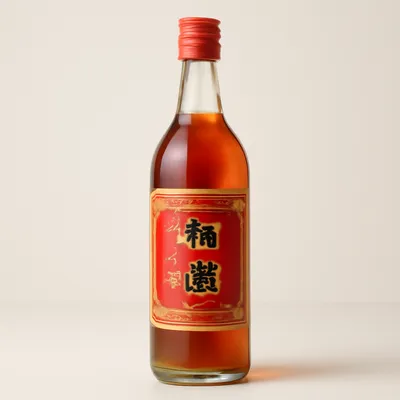
Blanch intestine and stomach in cold water with ginger, scallion, and Shaoxing wine. Bring to boil, skim, drain, rinse. The blanching liquid is now garbage — scrub the pot before continuing.
- 3240 min
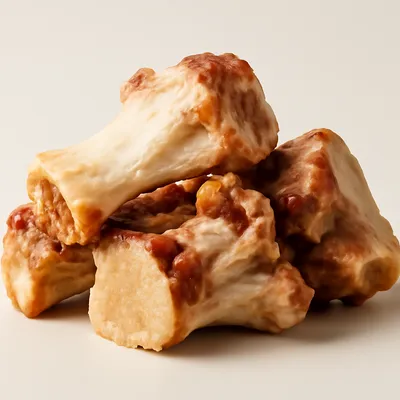
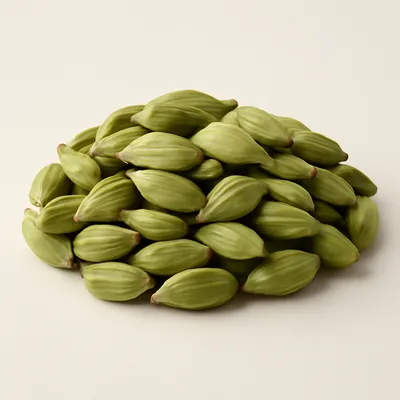
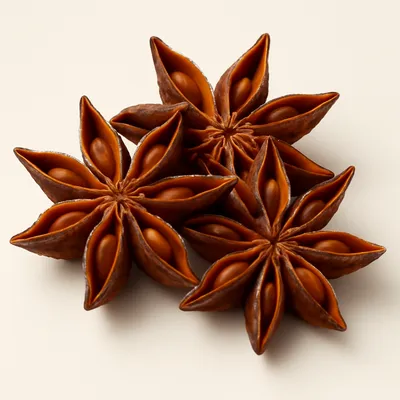
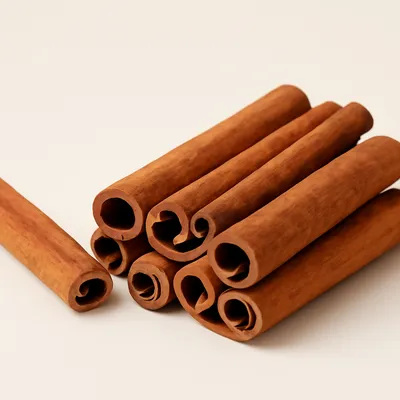
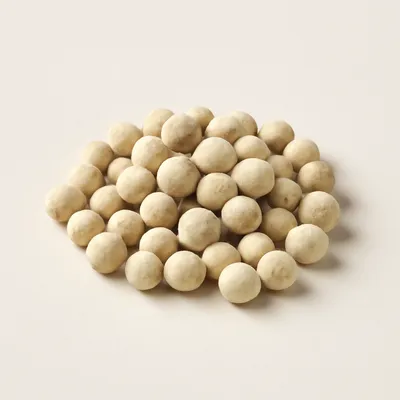
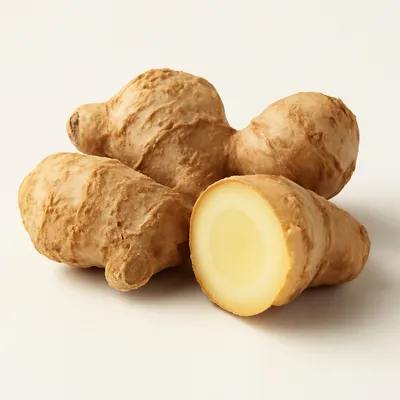
Build the spice broth: pork bones (1kg, blanched), white cardamom (3), grass cardamom (1), star anise (2), cinnamon stick, fennel seed, white pepper, sand ginger, and a thumb of fresh ginger. Simmer 4 hours skimming foam every 30 minutes.
- 490 min
Add the cleaned intestine and stomach to the broth in the last 90 minutes — they should be tender enough to bite through but still hold a slight chew. Lift out and slice intestine into 5cm rings, stomach into 3cm strips.
Watch outThe intestine should give when you bite but still have a little spring — pull it while it holds shape, past that it goes to mush.
- 55 min
Each diner tears a tuotuo-mo flatbread by hand into chickpea-sized pieces directly into a deep ceramic bowl — the size and irregularity matter for soup absorption.
- 62 min
Arrange intestine, stomach slices, and a few black wood ear pieces on the torn bread. Pour boiling spiced broth over to fully submerge — soup poured 3 times to ensure the bread is heated through, a Xi'an habit called 'guantang'. Garnish with chopped chives, black pepper, and a chili oil drizzle.
Watch outPour the boiling broth over three times — one pour leaves the bread cold and rubbery at the bottom of the bowl.