


Pâté en croûte is medieval — pastry was first used as a sealed cooking vessel before the meat-pie idea of eating the crust took hold. The Parisian brasserie form was codified in the late 19th century by charcutiers like Achille Parmentier; the modern competition standard (Championnat du Monde de Pâté-Croûte, founded in 2009 by Lyon chefs, with the annual final held at Maison Chapoutier in Tain-l'Hermitage in the Rhône valley) drove a revival in the 2010s. Each region has variations — the Rivière Pâté en croûte uses local pheasant; Alsatian versions add riesling — but the Parisian charcuterie version with foie remains the brasserie standard.
Medieval — pastry was a sealed cooking vessel before it was a thing to eat. The Lyon Concours Mondial du Pâté-Croûte (since 2009) drove the 2010s revival. Hot-water pastry holds the wet farce; cold shortcrust slumps. Pink curing salt is non-negotiable.
A cross-section reads in three layers: golden mahogany pastry shell, a band of trembling amber aspic, then mosaic farce — coarse pink minced pork against darker cubes of veal and creamy foie. Cold and dense; the pastry is biscuit-firm rather than flaky. Cornichons cut through the fat, Dijon adds heat, baguette absorbs the rendered juices on the plate. Eat fridge-cold but not freezing — the foie should yield, not stay waxy.
Three loads have to land. The crust must be hot-water-pastry — lard plus boiling water gelatinizes the starch into a strong, plastic dough that holds shape under wet farce; cold-fat shortcrust would slump. The farce needs pink curing salt (sodium nitrite) for the bright pink colour and shelf life. The aspic gap matters: meat shrinks as it cooks and weeps liquid; that void must be filled with gelatin-set stock, otherwise the slice falls apart and tastes dry.
Variations
Rivière pâté-croûte (pheasant); Alsatian Riesling-and-pork; the Maison Verot Paris version (multiple Concours wins); Yannick Alléno's truffle-and-foie three-bird build at Pavillon Ledoyen.
On the Palate
Where Pâté en Croûte sits in the French flavor cloud
Ingredients
Serves 10

How it's made
6 steps · 2 hours active + 10 hours waiting
- 115 min
Make hot-water crust: heat 200ml water with 150g lard until just melted. Pour into 500g flour, 10g salt, 1 egg. Knead briefly to a smooth dough. Wrap, rest 1 hour at cool room temp (not fridge — it cracks).
Watch outKnead the hot-water dough while it's still warm and pliable — let it go cold and it cracks when you line the mold.
- 220 min
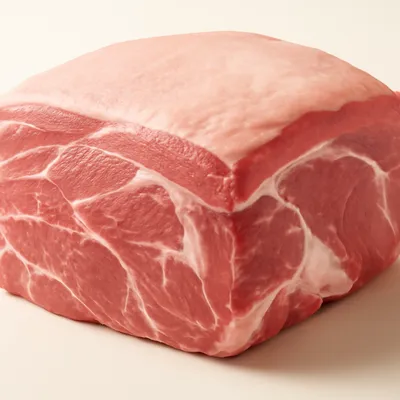
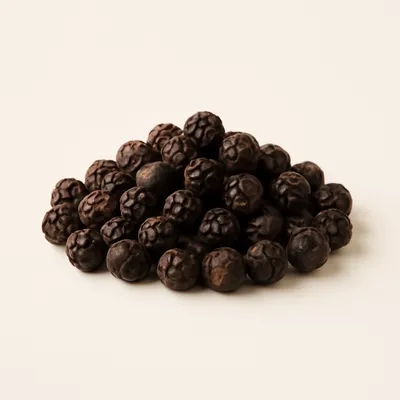
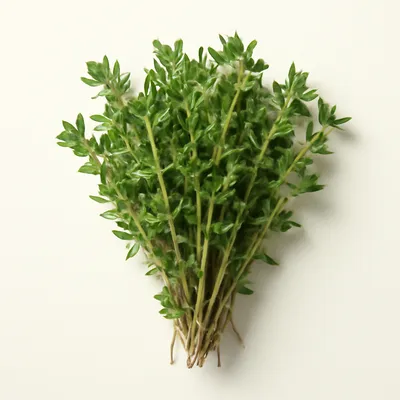
Make farce: dice 400g pork shoulder, 200g veal, 150g pork back fat, 100g raw foie gras into 1cm cubes. Marinate overnight with 60ml cognac, 30ml port, 12g salt, 4g pink salt #1, 5g pepper, thyme.
- 315 min
Pass two-thirds of the marinated meat through a coarse mincer (8mm plate). Mix with the remaining hand-cut cubes for texture contrast. Add 1 egg, work for 1 minute until tacky.
- 420 min
Roll pastry to 5mm. Line a 30cm rectangular pâté mold, pressing into corners. Pack farce in, mounded slightly. Cap with pastry, seal edges, cut two 1cm vent holes on top, fit chimneys of foil. Egg-wash.
Watch outPack the farce in tight with no air pockets and seal every edge — a gap lets the aspic leak out and the slice falls apart.
- 590 min
Bake at 220°C for 20 minutes, drop to 160°C for 70 minutes — internal 68°C. Cool to room temp, then chill 4 hours.
Watch outTrust the thermometer, not the clock — pull it the moment the center reads 68°C; hotter and the farce goes dry and grainy.
- 610 min
Warm 200ml clarified Madeira-pork stock until just liquid (gelatin already added: 8g sheets per 200ml). Pour through the chimney holes in stages until full. Chill overnight to set the aspic. Slice 1.5cm thick.
Watch outPour the aspic warm but only just-liquid, in stages — too hot and it won't gel; keep filling until the void is full or the slice tastes dry.
Archive tool suggestions — not reviewed
These legacy suggestions have not been evidence-reviewed and are not presented as required tools.