Whole snakehead fish skewered on a long bamboo stake, planted in the ground, buried under dry rice straw and set alight — straw burns away in minutes, leaving the fish charred outside and steamed inside.
Ca Loc Nuong Trui is field-cooking from the Mekong Delta — born of farmers who, after a day in the rice paddies, would catch a snakehead from the irrigation ditches and have nothing to cook it on but a pile of rice straw and a bamboo stick. «Trui» means to set ablaze. The technique survives in the southern provinces of An Giang, Dong Thap, and Long An; restaurants there still cook it in front of customers as a tableside performance. It is one of Vietnam's clearest examples of necessity-driven peasant technique becoming a regional emblem.
Mekong-delta field cooking — paddy farmer catches a snakehead, sticks it on bamboo, packs rice straw around it. Trui means to set ablaze. Rice straw burns hot but under 10 minutes, exactly the cooking window for a 700g fish. Hardwood would dry it out.
The reveal is half the dish: black ash heap, three sweeps of a knife, and out emerges a bone-white fillet that smells of straw smoke and clean river fish — no oil, no marinade, no pan. Flesh is silky, flaking in big sheets, faintly sweet. The tamarind-peanut dip carries it; the green-banana wedge is astringent and crucial; the star fruit is the only thing that's actually sour. A bad version is dry (straw too long), muddy (fish not rinsed), or burnt at the flesh (skin broke during burning).
The unscaled skin is structural: it acts as a sacrificial layer, charring black while the flesh inside steams in its own moisture. Skin off, and you would have ash-coated dry fish. The straw matters too — rice straw burns hot but brief (under 10 minutes), which is exactly the cooking window for a 400-500g fish. Hardwood fire would over-char or dry it out. The vertical orientation prevents one side cooking faster than the other; it cooks from all directions in radiant heat.
Variations
Standard An Giang version with tamarind-peanut dip; Dong Thap variants serve it with sour-broth rather than dip; Long An farmers add young mango to the wrap; tableside straw-burning is now standard at delta tourist restaurants in Chau Doc and Cao Lanh.
On the Palate
Where Ca Loc Nuong Trui sits in the Vietnamese flavor cloud
Ingredients
Serves 4








How it's made
6 steps · 30 min active + 15 min waiting
- 15 min
Take 1 whole live snakehead fish (ca loc), 700-900g. Do NOT scale or gut. Rinse the surface to remove pond mud. The skin and innards protect the flesh during burning.
Watch outLeave it unscaled and ungutted — the skin and innards are the sacrificial shield that lets the flesh steam clean; strip them and you get ash-coated dry fish.
- 23 min
Drive a 60cm green-bamboo stake through the mouth and out the tail; the stake doubles as a handle and a stand. Plant the stake upright in soft soil or sand so the fish stands vertical.
- 312 min
Mound 2-3kg dry rice straw loosely around the fish — it should be fully covered, no body showing. Light the straw at the base. Flames consume the straw in 8-10 minutes; do not add more.
Watch outCover the fish completely in straw and light it once — straw burns hot but brief, 8 to 10 minutes is the whole window; don't feed the fire or you dry it out.
- 45 min
Once flames die, sweep ash and scorched scales off with a knife — they lift away in sheets. Slit the belly, remove guts; the flesh underneath is white, steamed-clean, smelling of straw smoke.
Watch outWhen the flames die, the scorched scales lift off in sheets under the knife back and the flesh beneath is white and smells of straw smoke — that's done.
- 58 min
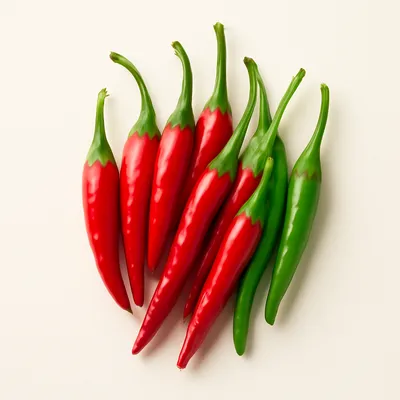
Make nuoc mam me (tamarind dip): heat 2 tbsp tamarind pulp in 100ml water 5 min, strain. Whisk with 3 tbsp fish sauce, 2 tbsp sugar, 1 minced chili, 2 cloves grated garlic, 1 tbsp roasted peanuts crushed.
- 62 min
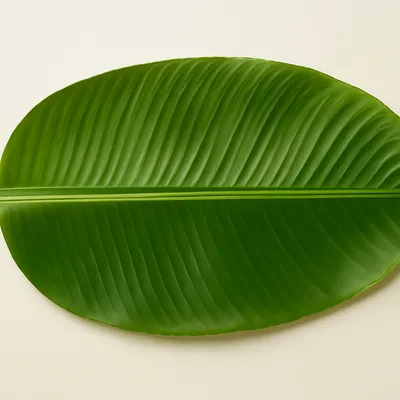
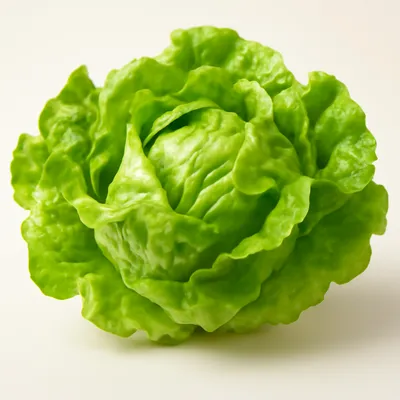
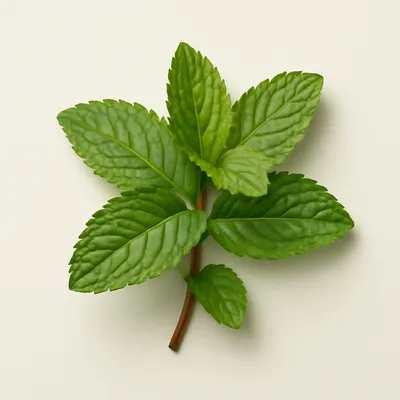
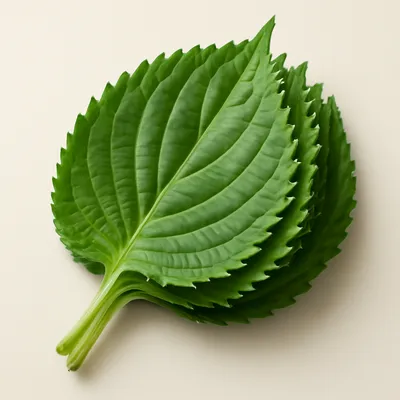
Lay fish on a banana leaf with a platter of rice paper, vermicelli, lettuce, mint, perilla, sliced green banana, sliced star fruit, cucumber. To eat: lift flesh off the bone; lay on softened rice paper with herbs and noodles; roll; dip in tamarind sauce.
Archive tool suggestions — not reviewed
These legacy suggestions have not been evidence-reviewed and are not presented as required tools.