A Dai ethnic specialty from Xishuangbanna born from the ritual sacrifice of roosters on the lunar Ghost Festival: the gently cold-started chicken is hand-shredded into rough, irregular strands and tossed in a sharp dressing of fresh lime juice, bird's eye chili, lemongrass, and Dai herbs — sour, piercingly hot, and fiercely aromatic.
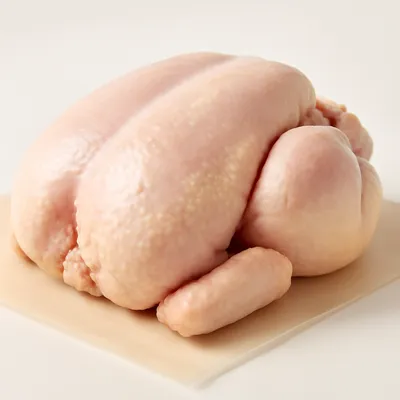
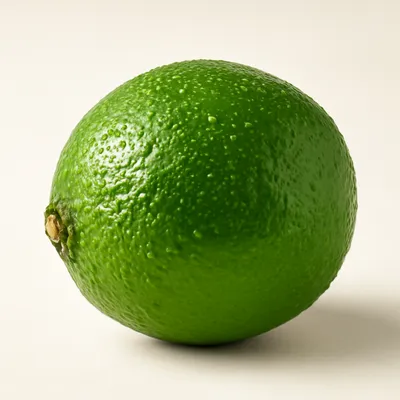
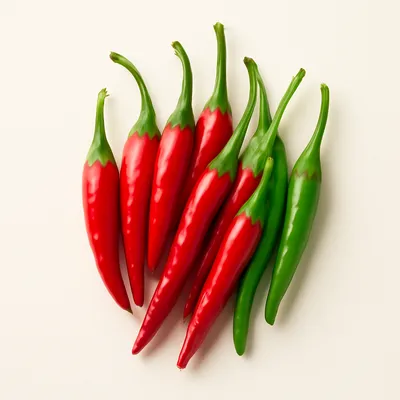



The name 'ghost chicken' (鬼鸡) derives directly from the Dai observance of the lunar seventh-month Ghost Festival — the Dai equivalent of the Hungry Ghost Festival shared across East and Southeast Asia. On the fifteenth day of the seventh lunar month, Dai households traditionally sacrifice a live rooster, cooking it as an offering to ancestor spirits. Once the ritual concludes, the sacrificed chicken — the 'ghost's chicken' — is pulled apart by hand and dressed with the intensely aromatic herbs and acids that define Dai cooking: lime, bird's eye chili, lemongrass, and Vietnamese coriander (刺芫荽). From this ritual origin the dish entered everyday Xishuangbanna cuisine, where it is now among the first things visitors encounter at a Dai restaurant.
Lime juice hits first — sharp, almost aggressive; then bird's eye chili builds a clean, piercingly hot wave behind it; the hand-shredded chicken, kept silky by the cold-start method, absorbs the dressing into every uneven fiber, while lemongrass and Vietnamese coriander carry a grassy coolness through the heat.
Starting the chicken in cold water and raising the temperature slowly keeps outer proteins from seizing up instantly — gradual, even heat penetration produces a uniformly silky texture impossible to achieve by plunging into boiling water. The ice bath stops carryover cooking and fixes that texture. Citric acid from fresh lime juice partially denatures surface proteins and activates sour-sensing ion channels on the tongue, while capsaicin from bird's eye chili activates heat receptors (capsaicin receptors) — the two signals combine to produce a sour-heat sensation greater than either alone. Hand-shredding along the natural muscle grain creates irregular, high-surface-area strands that grip the dressing far more effectively than knife-cut slices.
Variations
In Dehong and Pu'er, roasted chicken replaces boiled, adding smokiness; some cooks include pounded toasted rice powder for a texture similar to Lao larb. Fish sauce (鱼露) is often used instead of salt. A northern Yunnan variant uses local cilantro root (芫根) in place of lemongrass for a heavier, earthier herb note.
On the Palate
Where Dai Ghost Chicken sits in the Chinese flavor cloud
Ingredients
Serves 4

How it's made
7 steps · 15 min
- 15 min
Place chicken thighs in a pot, cover generously with cold water, add a smashed knob of ginger and a lemongrass stalk, then bring slowly to a boil over medium heat.
Watch outStart the chicken in cold water and bring it up slowly — plunged into boiling water the outer proteins seize and the meat turns coarse instead of silky.
- 225 min
Once boiling, reduce to a gentle simmer and cook for 20–25 minutes until the thickest point shows no pink at the bone.
- 315 min
Transfer the chicken immediately to a bowl of ice water and chill for 15 minutes to halt carryover cooking and set a silky texture.
Watch outDrop the cooked chicken straight into ice water to chill — that shock stops carryover cooking and sets the silky texture.
- 415 min
Debone the cooled chicken and hand-shred into rough, uneven strips along the natural muscle grain — irregular surfaces hold more dressing.
Watch outHand-shred along the grain into rough, uneven strips — torn ragged edges hold the sour-chili dressing far better than clean-cut ones.
- 510 min
Finely slice bird's eye chilies and lemongrass; squeeze lime juice into a bowl; roughly chop Vietnamese coriander, mint, and cilantro.
- 65 min
Add shredded chicken to the bowl, pour over lime juice, chilies, lemongrass, fish sauce, and all fresh herbs; toss thoroughly to coat every strand.
- 75 min
Taste and adjust: more lime for brightness, more chili for heat, more fish sauce for depth; plate and serve immediately at room temperature.
Archive tool suggestions — not reviewed
These legacy suggestions have not been evidence-reviewed and are not presented as required tools.



