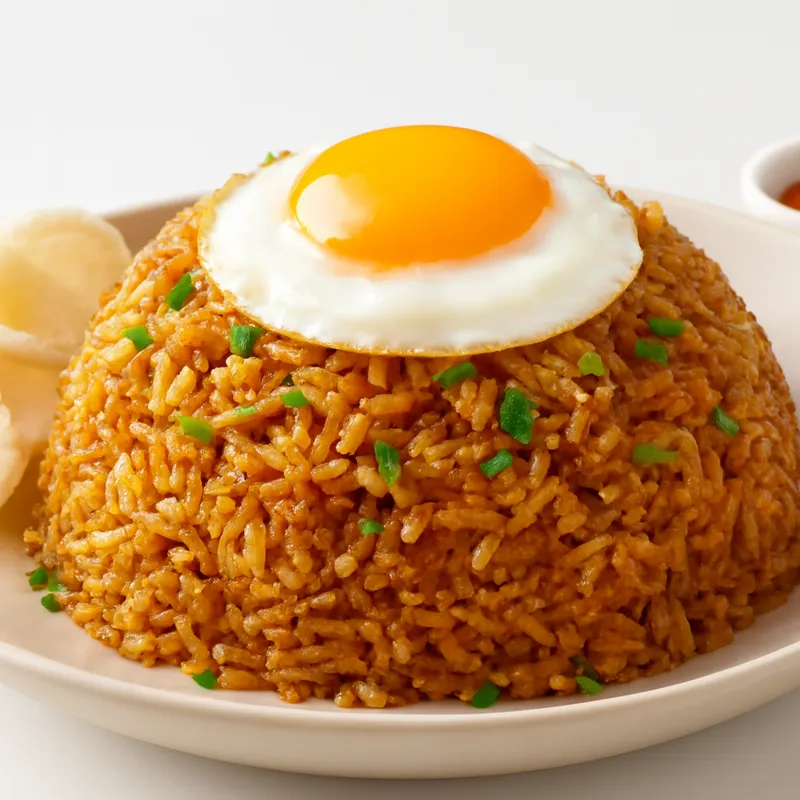
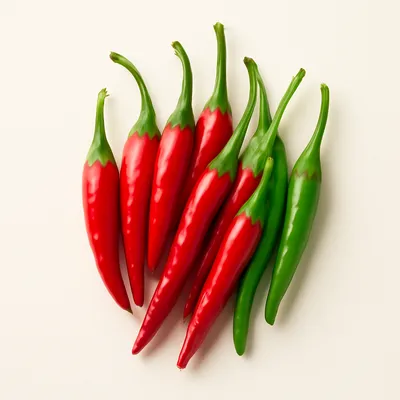
Semarang Indonesian-Chinese spring rolls — bamboo shoot + shrimp + chicken + egg filling sautéed with garlic and sweet soy, wrapped in thin spring-roll skin, deep-fried until crispy. Served with a thick brown sweet-savory sauce (made from palm sugar + tapioca + garlic) and pickled cucumber + sliced bird's eye chili + fresh chives. The defining Chinese-Indonesian fusion dish, originating in Semarang's Chinatown.
Lumpia Semarang was created in the 19th century by Tjoa Thay Yoe, an immigrant from Fujian China who settled in Semarang and married a local Javanese woman, Mbak Wasih. They merged Chinese spring-roll technique with local Indonesian ingredients (bamboo shoot, palm sugar) — their fusion recipe became Semarang's defining dish. The Gang Lombok (Chinatown alley) lineage is the most famous, open since the 1800s and now run by the fourth generation. Three modern styles exist: Mbak Lien (oldest, lightest), Cik Me Me (slightly sweeter), and the chain-restaurant version found throughout Indonesia. The original is always shallow-fried fresh-to-order; supermarket frozen versions taste different.
Bite into a hot Lumpia Semarang and three textures hit at once: the shattering-crispy wrapper, the tender-savory bamboo-shoot-chicken-shrimp filling, and the slight chew of julienned bamboo. The bamboo shoot's distinctive earthy-sweet flavor (different from any Chinese spring roll) is unmistakable. Dip into the thick brown sauce — it's syrupy-sweet with garlic warmth — then crunch into a vinegar-cucumber spear for the sweet-tart-spicy-savory loop. Eat 2 with rice for lunch; 4 alone as a snack. The Semarang specialty that travels home with every visitor.
Bamboo shoot is the technical key. Indonesian-Semarang lumpia uses 'rebung' (bamboo shoot), which is julienned and pre-cooked in the filling — its mild sweetness develops further when combined with kecap manis + palm sugar. The deep-fry at 175°C crisps the thin wheat wrapper via dehydration (10-15 seconds initial bubble = water in wrapper releasing, then crispness sets). The sauce is a 'kecap sauce' base — palm sugar caramelizes during boiling, garlic adds aromatic depth, and tapioca thickens to coat the lumpia without overpowering.
Variations
Mbak Lien (oldest, lightest filling, smaller); Cik Me Me (slightly sweeter sauce, larger); modern frozen versions ship throughout Indonesia (fryable from frozen); fresh-rolled (uncooked) lumpia uses pickled bamboo and is eaten cold without frying — found at Semarang's older Chinese restaurants; lumpia kering (dry, no sauce) is a take-home variant for travel.
On the Palate
Where Lumpia Semarang sits in the Indonesian flavor cloud
Ingredients
Serves 4


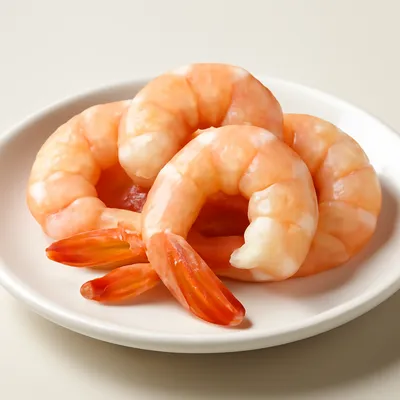




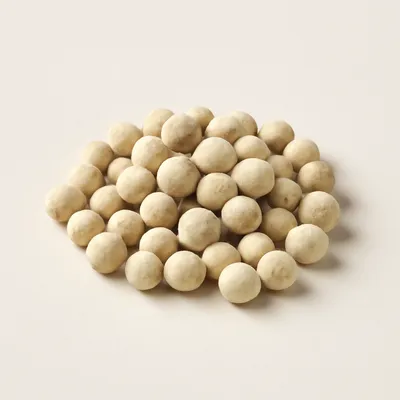

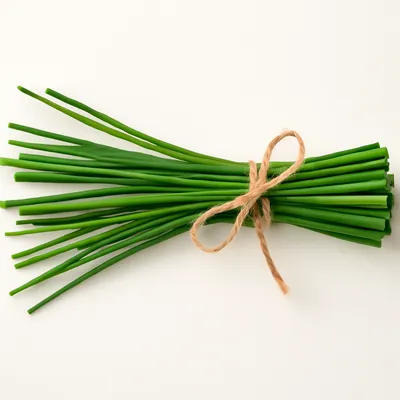


How it's made
8 steps · 50 min active + 10 min waiting
- 14 min
Make filling: heat 2 tbsp oil in a wok over medium-high. Add 3 minced garlic cloves; stir 30 sec. Add 200g shredded chicken thigh; stir 3 min.
- 23 min
Add 100g chopped shrimp; stir 2 min until pink.
- 36 min
Add 250g julienned bamboo shoot (canned, drained and rinsed) + 1 tbsp kecap manis + 1 tsp sweet soy + 1/2 tsp white pepper + 1 tsp palm sugar. Stir-fry 4 min until bamboo shoot is fragrant.
Watch outStir-fry the bamboo shoot with the sweet soy and palm sugar until it smells fragrant and the liquid cooks off — watery filling soaks through the wrapper and it won't crisp.
- 43 min
Push the filling to one side; add 2 beaten eggs to the empty side. Scramble; then mix into the filling.
- 516 min
Season with 1/2 tsp salt + 1/2 tsp chicken bouillon (optional). Transfer to a bowl; let cool 15 min.
- 612 min
Wrap: lay a spring-roll wrapper (10×10cm or larger) on the board with corner pointing toward you. Place 2 tbsp filling diagonally across the lower third. Fold the bottom corner up over the filling; fold sides in; roll tightly upward. Seal the top corner with a smear of flour-water paste. Repeat with 12-16 wrappers.
Watch outRoll each one tight and seal the flap with flour paste — loose rolls or an open seam let oil rush in and burst them in the fryer.
- 76 min
Make sauce: in a small saucepan combine 100g palm sugar + 200ml water + 4 garlic cloves (minced) + 1 tbsp kecap manis. Bring to boil 3 min. Add 1 tbsp tapioca flour mixed with 2 tbsp water; stir until thickened to a glossy sauce. Strain.
Watch outBoil the sauce until the tapioca turns it glossy and it coats a spoon — too thin it slides right off, too thick it clumps.
- 86 min
Heat 4cm vegetable oil in a wok to 175°C. Fry the spring rolls in batches 4-5 min until deep golden and crispy. Drain. Serve immediately with the sauce + 4 cucumber spears (in vinegar-sugar pickle, 30 min) + chives + sliced bird's eye chili.
Watch outHold the oil around 175 and fry until deep golden and crisp — cooler and they drink oil and stay soggy.
Archive tool suggestions — not reviewed
These legacy suggestions have not been evidence-reviewed and are not presented as required tools.