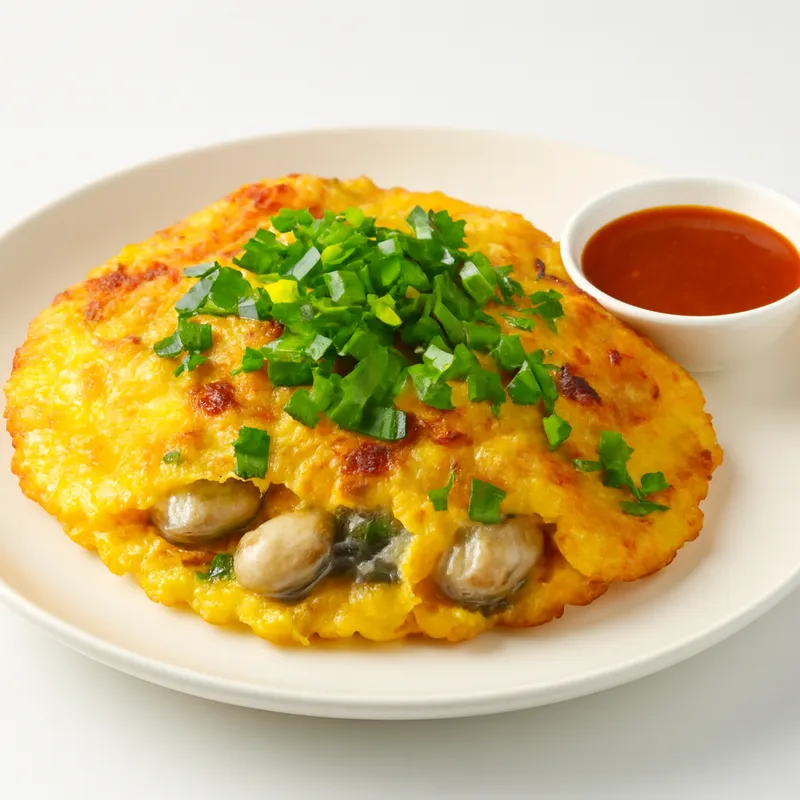
A Shandong banquet dish in which chicken breast is pounded to a fine puree, beaten with egg white and stock into a loose batter, then set in warm oil into snow-white, petal-soft slices. 'Hibiscus' (芙蓉) here denotes the egg-white preparation, not the flower; there is no hibiscus in the dish.



A classic of Shandong (Lu) cuisine, specifically its Yantai school. In Republican-era Beijing it was the signature dish of Dongxinglou (东兴楼), the city's foremost Shandong restaurant, whose cooks were said to come from the Qing imperial kitchen. The essayist Liang Shiqiu recorded it in his 'Yashe Tan Chi'. The same dish later spread to Huaiyang and Sichuan cooking and figures in the Tan-family banquet repertoire.
The slices are pure white, thin, and barely hold their shape — they collapse on the tongue rather than needing a chew, melting into a clean, faintly sweet chicken-and-egg taste. No browning, no skin, no fibre; the surface is matte and smooth. Properly made, it is light and almost weightless, finished with a few tender pea shoots and, often, a thread of chicken fat.
Everything turns on low heat. Chicken breast is scraped or pounded to a paste so fine it has no fibre, then beaten with egg white and a little stock and starch into a loose, airy batter. It is set not in hot oil but in oil at about 30% heat — roughly 90°C, well below smoking — slid in by the spoonful so it floats and whitens without browning. The reason is the egg-white proteins: ovotransferrin begins to coagulate around 62–65°C and the bulk protein, ovalbumin, only from about 80°C, so a gentle bath sets the slices tender and snow-white, while hot oil would brown them, toughen them, and break the emulsion. The starch and stock keep the batter loose so it spreads into petals rather than seizing into lumps. Some cooks steam the same batter, or float it in superior stock, instead of oil.
Variations
Within Shandong cooking the slices are set in warm oil and served with pea shoots and chicken fat. Master cooks count several methods built on the same chicken-and-egg-white batter — steamed hibiscus, oil-set hibiscus, spread hibiscus, poached in stock, and a scattered 'starry sky' version. The dish crossed into other cuisines: a Sichuan version appeared in 1960s Chongqing, Huaiyang cooks have their own, and it belongs to the Tan-family official-banquet repertoire. The same 芙蓉 (egg-white) treatment underlies hibiscus shrimp, hibiscus scallop, and hibiscus clams.
On the Palate
Where Hibiscus Chicken Slices sits in the Chinese flavor cloud
Ingredients
Serves 2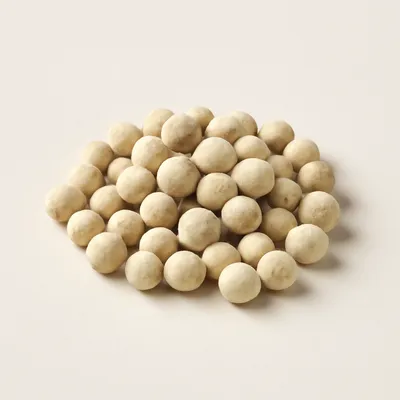

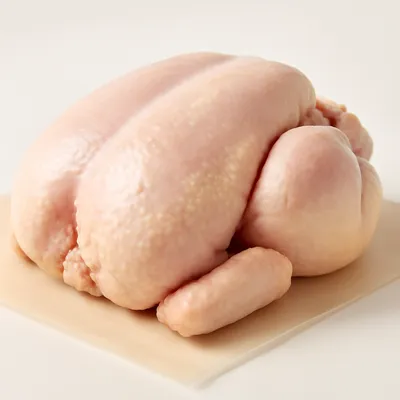
How it's made
7 steps · 30 min active + 10 min waiting
- 110 min
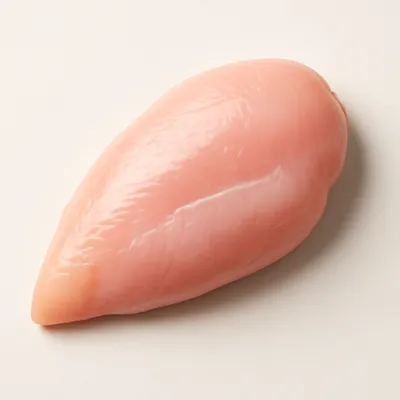
Skin and trim a chicken breast, removing all sinew; scrape or pound it against the grain into a very fine, smooth paste.
- 23 min
Beat the egg whites until loose and frothy; strain out the chalazae so the paste stays pure white.
- 38 min
Whisk the chicken paste with the egg white, salt, and white pepper, then beat in stock (or scallion-ginger water) and a little cornstarch a bit at a time until you have a loose, airy batter.
- 42 min
Heat lard or oil to about 30% heat (~90°C, well below smoking).
Watch outHeat the oil to only about 30%, roughly 90 degrees, well below smoking — hot oil would brown and toughen the slices; a gentle bath sets them snow-white and tender.
- 55 min
Spoon the batter into the warm oil a little at a time, swirling the pan so each portion spreads into a thin sheet; lift out as the slices whiten and float.
Watch outSpoon the batter in and swirl the pan so each portion floats into a thin sheet — lift them out the moment they whiten, don't let them colour.
- 62 min
Pour off the oil, return the slices with a splash of clear stock, season lightly, and warm through without browning.
- 72 min
Add tender pea shoots, finish with a few drops of chicken fat, and plate the snow-white slices.