
An old Shanghai benbang dish built almost entirely on pork offal — pig tongue, stomach, lung, trotters, and large intestine — simmered with fresh stock and fragrant wine lees in an earthenware pot (the 钵头 of the name). The offal is meticulously cleaned, blanched, and pre-cooked, then layered in the pot and steamed or stewed in a 香糟卤, a brine made from the lees left after brewing Shaoxing rice wine. The finished dish is soupy, deeply savory, and carries the distinctive perfume of the wine lees; it is one of the few Shanghai dishes considered native to the city rather than borrowed from neighboring Suzhou-Wuxi cooking. It is served hot, straight from the pot.


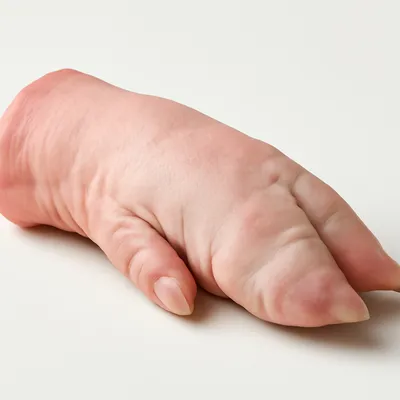

Wine-lees pork offal pot is one of the dishes Shanghai claims as genuinely local. It is associated by tradition with a cook named Xu San (徐三) of Sanlintang (三林塘, in what later became Chuansha on the east bank of the Huangpu) in the Jiaqing reign of the Qing dynasty, around two centuries ago, who is said to have set pork ears, brain, tongue, liver, lung, and intestine in a pot of wine lees, though the exact inventor cannot now be confirmed. What is documented is that Yang Guangfu's 《淞南乐府》, a collection of bamboo-branch verses on the customs of the Shanghai region (the 14th year of the Jiaqing reign, 1809), already records the wine-lees and pickling food culture of the area, and the dish later became a signature of old benbang restaurants such as Laofandian (老饭店) and Dexingguan (德兴馆), which were renowned for it by the Guangxu reign. The 钵头 in the name is the small earthenware pot the offal was cooked in; the 糟 is the wine lees that give the dish its aroma.
It arrives bubbling in its pot, the broth cloudy and fragrant with wine lees before the first spoonful. Each kind of offal keeps its own texture: tongue dense and yielding, stomach and intestine springy with a faint chew, lung soft and porous, trotter sticky with collagen. The flavor is layered and savory-sweet, the gaminess of the organs cooked clean away and replaced by the mellow, faintly boozy perfume of the 香糟. Done well, there is not a trace of off odor and the broth coats the lip with gelatin; done badly, the offal is rubbery or still carries the raw smell of poorly cleaned innards, and the wine-lees note turns harsh or sour instead of round.
The dish stands or falls on two things: cleaning the offal and the wine lees. Pig stomach, intestine, and lung carry strong odors and mucus, so each is rubbed repeatedly with salt, flour or starch, and vinegar to strip the slime, rinsed, then blanched from cold water with ginger and wine to drive off the volatile off-notes before any seasoning goes near them; the lung in particular is flushed with water until it blanches pale so no blood stays in its spongy alveoli. The aroma comes from 香糟卤: the solid lees left after rice wine is pressed are steeped with more Shaoxing wine, salt, and sugar and then strained, so the brine carries the esters and aromatic alcohols of the fermentation without the raw grain. Long gentle cooking in the earthenware pot does the rest — collagen in the trotter and tendon breaks down to gelatin that thickens the broth, while the porous offal and the lung act like sponges, soaking up the savory, wine-scented liquid. The pot is never boiled hard, which would toughen the organ meats and boil off the delicate lees aroma.
Variations
The dish has both a hot, soupy form, eaten steaming from the pot in cold weather, and a cold form closer to the broader family of Shanghai 糟货 (wine-lees foods) — chilled items such as 糟鸡 (wine-lees chicken), 糟毛豆 (wine-lees edamame), and 糟猪爪 (wine-lees trotters), where cooked ingredients are steeped in cold 香糟卤 and served cool in summer. Restaurant versions vary in which offal they use and in how rich the broth is; some add pork meatballs, dried bamboo, or 油豆腐 (fried tofu puffs) to round out the pot. The same wine-lees seasoning runs through a wider set of benbang dishes, from 糟溜鱼片 (wine-lees fish slices) to 青鱼煎糟 (wine-lees black carp), all built on the same fragrant lees brine.
On the Palate
Where Wine-Lees Pork Offal Pot sits in the Chinese flavor cloud
Ingredients
Serves 4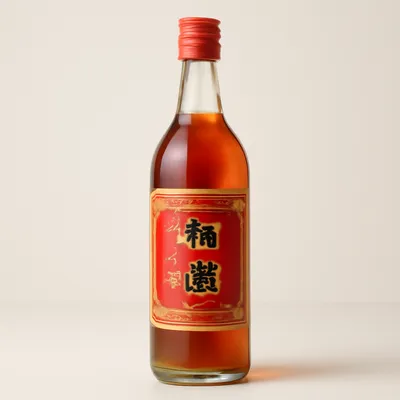



How it's made
7 steps · 1 hour 30 min
- 130 min
Clean each cut of offal hard: rub pig stomach, large intestine, and tongue with coarse salt, flour or starch, and vinegar to strip the slime, scrape the tongue, and flush the lung repeatedly with water until it blanches pale; rinse all well.
Watch outScrub each cut of offal hard with salt, starch and vinegar, and flush the lung until it blanches pale — this stripping of slime and blood is what kills the off-smell before any seasoning.
- 220 min
Blanch every piece from cold water with ginger slices and a splash of Shaoxing wine, bringing it slowly to a boil to drive off the off-odors, then drain and rinse off the scum.
Watch outBlanch every piece from cold water with ginger and wine, brought up slowly — a cold start draws the volatile off-notes out instead of sealing them in.
- 340 min
Pre-cook the cleaned offal and trotters in fresh stock until tender, then lift out and cut into bite-size pieces.
- 415 min
Make the wine-lees brine: steep fragrant rice-wine lees with Shaoxing wine, salt, and a little sugar, then strain through cloth to a clear, aromatic 香糟卤.
- 510 min
Layer the cut offal and trotter pieces into an earthenware pot, season with salt and a little sugar, and pour in enough fresh stock to nearly cover.
- 660 min
Pour the strained wine-lees brine over the offal, then steam or gently stew the covered pot so it cooks through without a hard boil.
Watch outSteam or gently stew the covered pot so it cooks through without a hard boil — a rolling boil muddies the delicate wine-lees aroma.
- 73 min
Check the seasoning, scatter with scallion or a few wolfberries if liked, and bring the whole pot hot to the table.
Archive tool suggestions — not reviewed
These legacy suggestions have not been evidence-reviewed and are not presented as required tools.


