
A Chaoshan breakfast-and-supper staple of soft, folded rice-sheet pieces simmered in a dark, fragrant broth and crowned with braised meats. Thin sheets of rice-milk batter are griddled, dried, and cut into triangles — the 粿角 — then slipped into broth lightly thickened with more rice-milk until it runs as silky as thin rice gruel. Over the top go ladlefuls from the braising pot: braised pork intestine, pork belly, a braised egg, firm tofu cut on the slant, sometimes braised goose, all napped with the light-brown braising liquor and showered with fried-shallot oil, fried-garlic oil, white pepper and cilantro. The 粿 are slippery and tender and drink up the savory broth; despite a near-identical batter, this is a soupy dish, the very opposite of the dry-tossed stir-fry of flat rice noodles (炒粿条).


Kway chap belongs to the deep Chaoshan tradition of 粿 — the region's family of rice-milk cakes and sheets, born of a wet-rice coast where milled rice was steamed, set, and pressed into a hundred shapes. It is street food in the plainest sense, ladled out from morning stalls and late-night carts across Chaozhou, Shantou and Jieyang, where 'a bowl of kway chap and a plate of braised cuts' is an everyday breakfast. A widely repeated local account dates the dish as a stall food to around the 1960s, when a bowl sold for a few cents; the broader 粿 craft it rests on is far older. What makes it Teochew rather than generic is the braising pot behind the counter — a Chaoshan master braise leaning on galangal (南姜) — and the finish of rendered shallot and garlic oil. It is a sibling, not a version, of the stir-fried 炒粿条: same rice batter, wholly different dish.
The first thing the spoon meets is the broth — light brown, faintly thick, smelling of star anise, galangal and soy, with the toasty perfume of fried shallot and garlic riding on top. The 粿 pieces are soft, slippery and a touch chewy, folded and slid against each other, each one heavy with the liquor it has soaked up. Then come the braised pieces: intestine that is clean, springy and richly savory, pork belly gone tender, a braised egg with a firm amber white, tofu that has drunk the braise to the center. A shake of white pepper warms it, the cilantro lifts it, and the whole bowl eats soft and comforting — a thing you drink as much as chew, equally at home at dawn or near midnight.
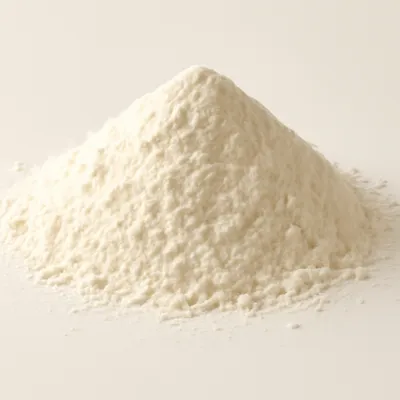
Two things make the bowl: the rice-milk 粿 and the master braise. Milled rice is soaked and ground to a smooth batter; spread thin on an oiled griddle, the starch gelatinizes and sets into a supple sheet, dried a few hours and cut to triangles so it holds its shape without going gummy. In the pot, a little of that same batter is stirred into the broth — the suspended, swollen starch grains thicken the liquid to a silky, gruel-like body that clings to every piece of 粿 rather than running off. The color and savor come from the 卤水, a Chaoshan master braise of soy, rock sugar, galangal, star anise, cinnamon, sand ginger and fennel that deepens with every reuse as gelatin and aromatics build up — the offal and pork are braised low and slow until tender, and the strained liquor doubles as the dressing. The closing pour of fried-shallot and fried-garlic oil (葱珠朥/蒜头朥) is not garnish but a flavor layer: frying drives Maillard browning in the alliums and carries their aroma in fat that floats on the broth and coats the lips.
Variations
The braising pot decides the bowl, so kway chap is ordered by what you pile on: a plain bowl with just pork (粿汁加肉), an all-braised bowl heaped with the full spread (全卤味), or the prized add of braised goose (加卤鹅) where a goose shop runs the braise. Toppings range across the offal counter — intestine, stomach, liver, blood, pork belly, braised egg, tofu, fish cake — and stalls guard their own braising recipe. Regional readings differ: Chaozhou leans on the depth of the braise, Paotai is known for its braised intestine, Hongyang adds seafood and a length of fried dough (油炸鬼), and Guolong uses fresh-killed pork with salted wood-ear. Throughout, the constants are the rice-milk-thickened broth, the slippery 粿, and the closing oil of fried shallot and garlic.
On the Palate
Where Kway Chap sits in the Chinese flavor cloud
Ingredients
Serves 4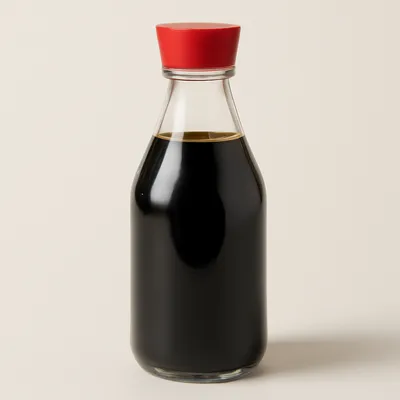
How it's made
7 steps · 40 min active + 3 hours 20 min waiting
- 160 min
Make the 粿 sheets: soak rice and grind to a smooth batter, spread thin on an oiled griddle or steamer tray and cook until set into supple sheets, then dry a few hours and cut into triangles (or use ready-made fresh rice sheets / wide rice noodles, cut into pieces).
- 230 min
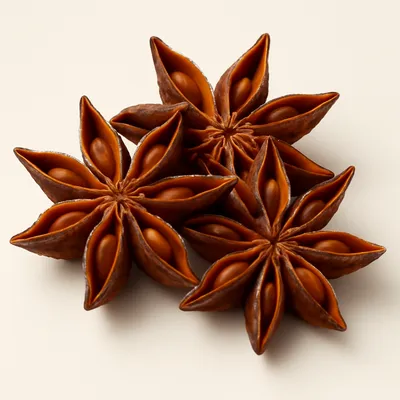
Build the master braise: simmer soy, rock sugar, galangal, star anise, cinnamon, sand ginger and fennel into a dark, fragrant 卤水.
Watch outSimmer the master braise until dark and deeply fragrant — this 卤水 is where all the color and savor come from, so build it patiently.
- 3120 min
Braise the toppings low and slow in the pot — pork belly, pork intestine, tofu and eggs — until tender and deeply colored, then lift out and slice; reserve the braising liquor.
- 410 min
Stir a little reserved rice batter (or rice-flour slurry) into a pot of water or light stock and bring to a simmer so it thickens to a silky, gruel-like broth.
Watch outStir a little rice batter into the broth so it thickens to a silky, gruel-like body that clings to every piece — too thin and it just runs off.
- 55 min
Slip the 粿 pieces into the thickened broth and simmer briefly until soft, slippery and hot through.
- 63 min
Ladle 粿 and broth into bowls, top with the sliced braised meats, tofu and egg, and spoon over the light-brown braising liquor.
- 72 min
Finish with fried-shallot oil and fried-garlic oil, a shake of white pepper and a scatter of cilantro; serve at once, very hot.
Archive tool suggestions — not reviewed
These legacy suggestions have not been evidence-reviewed and are not presented as required tools.


