


Luxembourgish
Judd mat Gaardebounen smoked pork neck with broad beans, kachkéis cooked-cheese spread on rye, gromperekichelcher potato cakes at the Christmas market, träipen black pudding with applesauce — borderland Belgian-German-French in 2,586 square kilometers.
Judd mat Gaardebounen
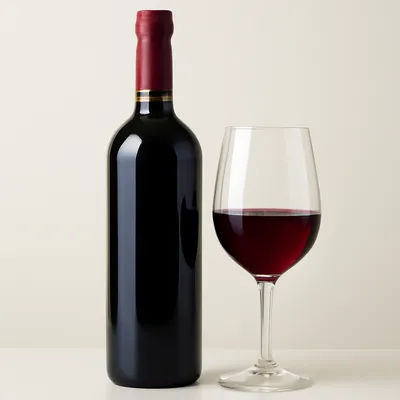
Luxembourg's national dish — smoked pork collar (Judd) slow-cooked with broad beans (Gaardebounen, traditionally Soya broad beans), bacon, and onion, served with boiled potatoes and a mustard-and-cream sauce often finished with local Moselle Riesling. The Sunday-and-holiday Luxembourg family meal. Source: Wikipedia (Judd mat Gaardebounen); Visit Luxembourg.
View page →Luxembourgish cooking is the food of the Grand Duchy nestled between Belgium, Germany, and France — a borderland kitchen that blends Belgian beer, German pork-and-sauerkraut, and French pastry technique. The country defines itself by Judd mat Gaardebounen: smoked pork neck (collar) brined and smoked, then slow-simmered with fresh broad beans (favas), shallots, savory, and cream sauce. Served with potatoes and a glass of Moselle Riesling. Bouneschlupp is the everyday green-bean-and-bacon soup. Kachkéis (Luxembourg's quark cheese cooked with butter and beer) is the iconic farmer's snack on rye bread with mustard. Gromperekichelcher are the fair-and-Christmas-market potato cakes. Quetschentaart, the September Italian-plum tart, is the autumn pastry. Träipen is the November blood sausage with applesauce and sauerkraut. And friture de la Moselle — the river-fish fry from the Moselle valley — is the summer riverside lunch. Pork, potato, river fish, and Moselle Riesling — that is the Luxembourg table.
The Palate
Start Here
Smoked pork neck (collar) brined and smoked, then slow-simmered with fresh broad beans, shallots, savory, and cream sauce. Served with potatoes.
Why start here · Luxembourg's national dish, declared so officially. The smoked-pork-and-bean tradition that distinguishes the Grand Duchy from its German and Belgian neighbors.
Quark or fresh curd cheese aged a few days, then cooked with butter and a touch of beer or white wine into a smooth tangy spread. On rye bread with mustard.
Why start here · Luxembourg's iconic cooked-cheese tradition. The unique fermentation-and-cooking technique that produces a spread found nowhere else.
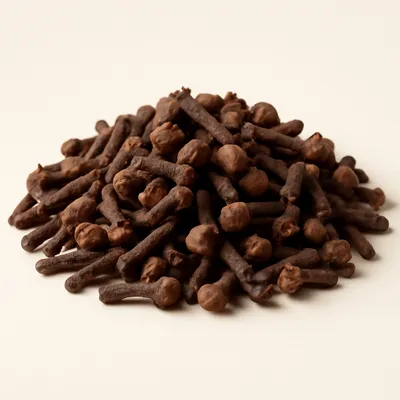
Pig blood mixed with pork fat, onion, parsley, breadcrumbs, allspice, and clove, stuffed into casings and poached. Pan-fried at service with mashed potato, applesauce, and sauerkraut.
Why start here · The November-to-February Luxembourg blood-sausage tradition. The classic German-Belgian autumn plate — each side designed to complement the rich sausage.
The Pantry







See all 32 ingredients›












On the Map
Where this cuisine is found
Regional Styles
Centre & Capital (Luxembourg City)
The capital and central plateau. The strongest modern restaurant scene and the heart of the Judd-and-Kachkéis tradition.
Moselle Valley (Grevenmacher, Remich)
The eastern wine-river valley along the Moselle. Riesling country, river-fish fritures, and Quetschen plum orchards.
Oesling (North, Ardennes)
The forested northern Ardennes uplands. Strong pork-curing tradition (Ardennes ham region), blood sausage, and rustic potato cooking.
How They Cook
Techniques that define this cuisine


