
Vienna's boiled beef — top-round (called 'Tafelspitz') simmered gently in a clear root-vegetable broth for 3 hours until meltingly tender, served sliced against the grain with Apfelkren (horseradish-apple sauce), Schnittlauchsauce (chive-cream-sauce), boiled potatoes, and the broth as a separate first course. Emperor Franz Joseph I famously ate it weekly — the dish that defined imperial Viennese dining for a century.
Tafelspitz is one of Austria's most cherished culinary traditions and a signature of Habsburg court dining — the cut name 'Tafelspitz' refers to a specific triangular piece at the top of the beef rump, prized for its mix of muscle and fat that survives long simmering. Emperor Franz Joseph I, famously frugal and consistent in his habits, ate boiled beef almost daily — it appears on his menus in French as 'pièce de bœuf bouilli' — and the meat was reputedly so tender he ate it with only a fork. The Plachutta family made Tafelspitz famous internationally: their first Tafelspitz restaurant opened in 1987 in Vienna's Hietzing district near Schönbrunn Palace (Ewald Plachutta became its sole owner in 1993), serving it tableside in copper pots with all the components arranged carefully. The technique requires GENTLE simmering at 90-95°C (NEVER boiling) for about 3 hours; boiling extracts proteins violently and creates cloudy broth and tough meat. Bone-marrow toast sometimes accompanies.
A plate of Tafelspitz is the imperial Viennese dinner. The broth itself is the first revelation: clear amber, deeply beefy without heaviness, with subtle aromatic complexity from the slow root-vegetable simmer. Drink it as soup. Then the beef: slice it with a fork, marvel at how it falls apart without effort. The meat itself is mild and tender — boiled meat, not roasted. The two sauces are where the dish lives: Apfelkren's bright horseradish-and-apple punch wakes up the palate; Schnittlauchsauce's cool herbal richness adds another layer. A parsley potato to absorb both sauces. Each bite alternates: beef + Apfelkren = sharp; beef + Schnittlauchsauce = smooth; beef + broth = clean. The Habsburg court table.
Three technical pillars: (1) Cold-water start + slow temperature rise extracts maximum collagen + flavor into the broth without violent protein scumming. (2) 90-95°C 'whisper-simmer' (NEVER boiling) keeps the beef tender — boiling at 100°C+ tightens muscle proteins and creates cloudy broth. (3) Aromatic timing: vegetables are added AFTER the first 30 min skim so they don't release pectin into the cloudy stage. The Apfelkren grating releases isothiocyanate compounds (same family as mustard) — fresh-grated provides peak pungency. Schnittlauchsauce's egg-yolk-and-vinegar liaison is a Viennese variation of mayonnaise-mother sauce, lightened with cream.
Variations
Plachutta canonical (with Apfelkren + Schnittlauchsauce + bone marrow toast); Vienna home version (simpler — just beef + horseradish); Holiday version uses goose marrow instead of beef; Tafelspitz mit Spinat (with creamed spinach); modern restaurant versions add foie gras or truffle; the dish freezes well — leftover Tafelspitz becomes Tafelspitz mit Kren (cold sliced); the cut of beef is critical — substitute cuts like shoulder produce inferior results.
On the Palate
Where Tafelspitz sits in the Austrian flavor cloud
Ingredients
Serves 6














How it's made
11 steps · 50 min active + 3 hours 10 min waiting
- 13 min
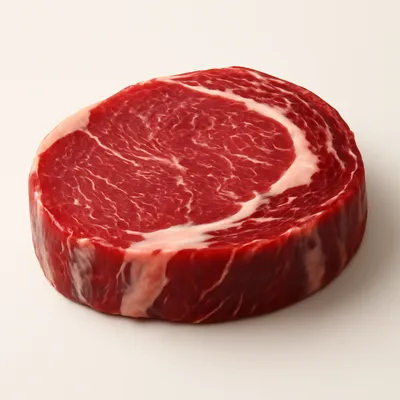
Source 1.5kg Tafelspitz beef (top sirloin tail cap — ask butcher specifically; substitute with bottom round or eye round if needed). Rinse; pat dry.
- 22 min
In a stockpot wide enough to lay the beef flat, add 4L cold water + 1 tsp salt. Lower the beef gently into cold water.
- 332 min
Slowly bring to a simmer (NEVER a rolling boil — water should barely tremble at 90-95°C). Skim foam constantly during the first 30 min — this is critical for clear broth.
Watch outBring it up so slowly the water only shivers — if it starts to bubble hard, the broth will cloud.
- 45 min
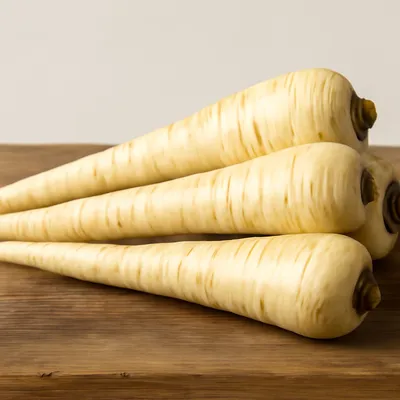
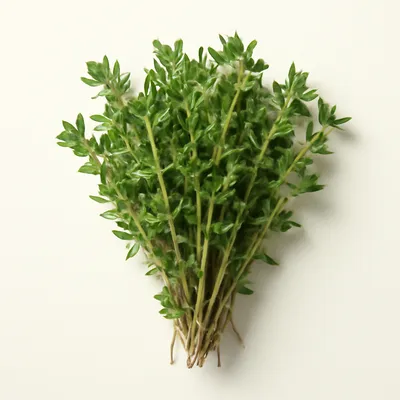
Once foam has subsided, add: 2 large carrots (peeled, halved), 2 celery roots (or 4 ribs), 1 large onion (halved, charred face-down on dry pan first for color), 1 small leek (white part), 1 small parsnip, 6 black peppercorns, 4 allspice berries, 1 bay leaf, 4 parsley stems, 1 sprig thyme.
- 5165 min
Continue at 90-95°C for 2.5-3 hours, never boiling. The beef should be fork-tender — a fork should slide in easily without resistance.
Watch outThe beef is done when a fork slides in with no resistance; hold the whisper-simmer, never a boil.
- 618 min
Make Apfelkren (horseradish-apple sauce): peel and grate 1 large Granny Smith apple + 80g fresh horseradish root. Squeeze excess liquid. Mix with 1 tbsp lemon juice + 1/2 tsp sugar + 1/4 tsp salt. Let stand 15 min.
- 76 min
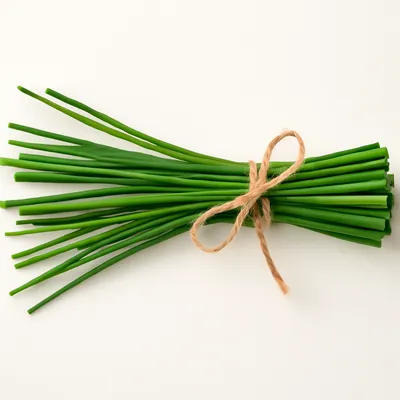
Make Schnittlauchsauce (chive sauce): in a small bowl combine 1 hard-boiled egg yolk (mashed) + 1 tsp Dijon mustard + 1 tbsp white wine vinegar + 200ml double cream + 1/4 cup finely chopped chives + 1 tsp salt + 1/2 tsp sugar + 1/4 tsp white pepper. Whisk smooth.
- 818 min
Boil 1kg waxy potatoes (peeled, halved) in salted water 15-18 min until tender. Drain; toss with 2 tbsp butter and 2 tbsp chopped parsley.
- 95 min
Remove beef from broth. Slice ACROSS the grain into 1.5cm slices. Keep warm covered with a ladle of broth.
Watch outCut across the grain — look for the fiber direction and slice at a right angle to it.
- 104 min
Strain the broth through cheesecloth into a clean pot. The broth should be clear amber. Taste; season with salt.
- 115 min
Serve: in a copper pot or wide bowl, ladle hot broth over the sliced beef. Surround with the cooked carrots, celery root, and parsley potatoes. Provide Apfelkren and Schnittlauchsauce in separate dishes. Traditional Austrian way: drink a cup of the broth FIRST (as soup), then eat the beef with the sauces.
Archive tool suggestions — not reviewed
These legacy suggestions have not been evidence-reviewed and are not presented as required tools.


