
Czech sirloin in cream sauce — beef sirloin marinated and slow-braised with root vegetables and bacon, then served sliced over a velvety cream sauce (made by puréeing the cooked vegetables + cream + the cooking liquid). Topped with whipped cream, cranberry sauce, and a slice of lemon, served with houskové knedlíky (bread dumplings). The defining Czech Sunday dinner.
Svíčková na smetaně is the most-loved Czech dish, often considered a national dish alongside guláš. The name refers to 'svíčková' (beef sirloin/tenderloin cut) cooked 'na smetaně' (in cream). It took its modern form under Austro-Hungarian and Viennese influence — a relative of the Viennese Tafelspitz — as 18th- and 19th-century noble and well-off households worked cream and spices into braised beef; the earliest known recipe appears in Magdalena Dobromila Rettigová's cookbook 'Domácí kuchařka' (1826). The cream sauce is made not with a flour roux but by puréeing the braised root vegetables (carrot, parsley root, celeriac, onion) with the cooking liquid and cream into a velvety, slightly-sweet, slightly-tangy gravy. The canonical presentation always carries whipped cream, cranberry/lingonberry, and a slice of lemon. Modern Prague restaurants like 'U Modré kachničky' make celebrated versions.
Svíčková is the Czech Sunday dinner par excellence. First bite: thin slice of beef sirloin, tender from 2.5-hour braise, with vinegar-tang from the marinade. Then the cream sauce — velvety, sweet-tart, deeply vegetable-y, with cream's richness rounded by lemon brightness. The cranberry sauce on top adds fruit-tart pop. A dollop of whipped cream surprisingly works — it's part of the dish's balance, not a Western afterthought. The bread dumpling slices soak up the sauce. Each forkful: beef + sauce + cranberry + cream + dumpling = 5 elements in one bite. The most-elaborate-looking Czech home dinner.
Three technical principles: (1) The vinegar-wine marinade tenderizes the beef and provides the canonical sour-undertone of the sauce, while the larded bacon bastes the lean sirloin from within during the long braise. (2) The cream sauce is built by puréeing all the braised root vegetables — carrot, parsley root and celeriac, cooked down with allspice, bay and peppercorn, then blended with the cooking liquid and cream and passed through a fine sieve. The vegetables ARE the sauce, not just flavoring. This 'vegetable-purée gravy' technique distinguishes svíčková from German Sauerbraten (which uses a pan-flour gravy). (3) The whipped cream + cranberry + lemon topping might seem decorative but each provides a contrast axis: whipped cream = richness, cranberry/lingonberry = sweet-tart, lemon = acid. Without them, the dish is too one-note.
Variations
Bohemian canonical (24-hour marinade + bread dumplings); Moravian uses more paprika in the sauce; modern restaurant versions use sous-vide for the beef; quicker home version skips overnight marinade (less flavor depth); vegetarian impossibility (the beef IS the dish); the cranberry sauce is sometimes replaced with lingonberry or cherry preserves; the dish freezes well — Czech grandmothers make double batches for Sunday-dinner-and-leftover-lunch.
On the Palate
Where Svíčková na smetaně sits in the Czech flavor cloud
Build the sauce from the braising vegetables themselves — purée the softened carrot, parsley root and celeriac with the cooking liquid and cream and pass it through a sieve — rather than thickening with a flour roux; the vegetables are the gravy.
Ingredients
Serves 6


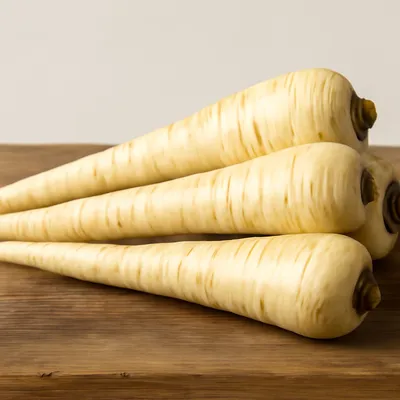







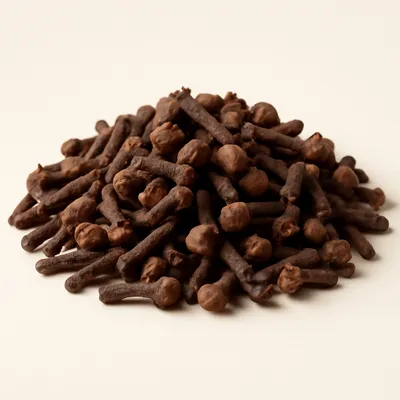
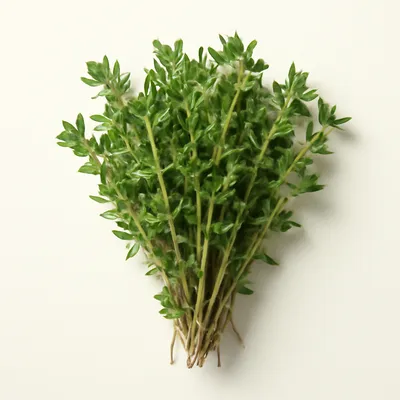






How it's made
10 steps · 1 hour active + 3 hours waiting
- 11440 min
Marinate beef (24h ahead): in a dish combine 1.5kg beef sirloin/eye-of-round + 200ml red wine vinegar + 200ml water + 100ml red wine + 1 sliced onion + 2 carrots (sliced) + 1 parsnip (sliced) + 1 celery root (sliced) + 2 bay leaves + 8 black peppercorns + 4 allspice berries + 4 cloves + 4 sprigs thyme. Marinate refrigerated 24 hours.
- 25 min
Drain beef (reserve marinade + vegetables). Pat dry. Stud with 100g bacon strips (insert into slits in the beef).
- 310 min
In a Dutch oven heat 3 tbsp oil + 2 tbsp butter; brown the beef on all sides 8 min.
- 410 min
Add the reserved marinade vegetables; sauté 8 min. Pour in marinade liquid + 500ml beef stock. Bring to a simmer.
- 5145 min
Cover; transfer to 160°C oven; braise 2-2.5 hours until beef is fork-tender. Remove beef; tent with foil.
Watch outThe beef is ready when a fork slides in and twists with no resistance — pull it before making the sauce.
- 612 min
Make the cream sauce: strain the cooking liquid into a saucepan, reserving the vegetables. Purée the vegetables (in a blender or with stick blender) with 1 cup of the cooking liquid until very smooth. Pass through fine sieve back into the pot.
Watch outBlend the vegetables with the liquid until completely smooth, then sieve — any grit here stays in the final sauce.
- 78 min
Add 250ml heavy cream + 2 tbsp flour (mixed with water as slurry) + 1 tsp Dijon mustard + 1 tsp salt + pinch nutmeg + juice of 1 lemon + 1 tbsp sugar. Whisk; simmer 5 min until thick + glossy.
Watch outSimmer the finished sauce until it thickens enough to coat the back of a spoon and turns glossy.
- 850 min
Make houskové knedlíky bread dumplings: combine 500g all-purpose flour + 1 tsp salt + 7g yeast + 1 egg + 250ml warm milk + 100g cubed stale bread; knead to dough. Rest 30 min. Form into 2 long cylindrical logs; boil in salted water 25 min (turn halfway). Slice into 2cm rounds.
- 94 min
Slice the beef thinly against the grain.
- 103 min
Plate: pool sauce on each plate; lay 3-4 beef slices on the sauce; arrange 4-5 dumpling slices alongside. Top with a dollop of whipped cream, a spoon of cranberry sauce, and a slice of lemon. Garnish with parsley.
Archive tool suggestions — not reviewed
These legacy suggestions have not been evidence-reviewed and are not presented as required tools.

A heavy enameled or bare cast-iron lidded pot, 4-7 liters, with thick walls and a snug lid. The mass evens out hotspots; the lid traps moisture for braising. Sears on the stovetop, then transfers to a 150°C oven for 3-4 hours of even, contained heat — the structural difference between a beef bourguignon that comes out luminous and one that turns to gray mush. Le Creuset and Staub are the celebrated versions; an old American Wagner is functionally identical.

Hand-held wire loop tool for beating eggs, whipping cream, emulsifying dressings, and incorporating air into batters. Balloon whisks (large round head) for whipping cream and meringues; French whisks (narrow tear-drop) for sauces in pots; flat whisks (gravy) for pan sauces. Stainless steel is universal; silicone-coated for non-stick pans.

Round metal pot, 14-26 cm diameter, with vertical walls and a long handle, designed for sauces, soups, oatmeal, rice, boiled vegetables. The vertical walls minimize evaporation (vs. a sauté pan). Sizes: 1 qt for melting butter, 2-3 qt for sauces, 4 qt for soups. Stainless-steel-clad aluminum or copper is best for conduction; cast-iron is too thick for delicate sauces.


