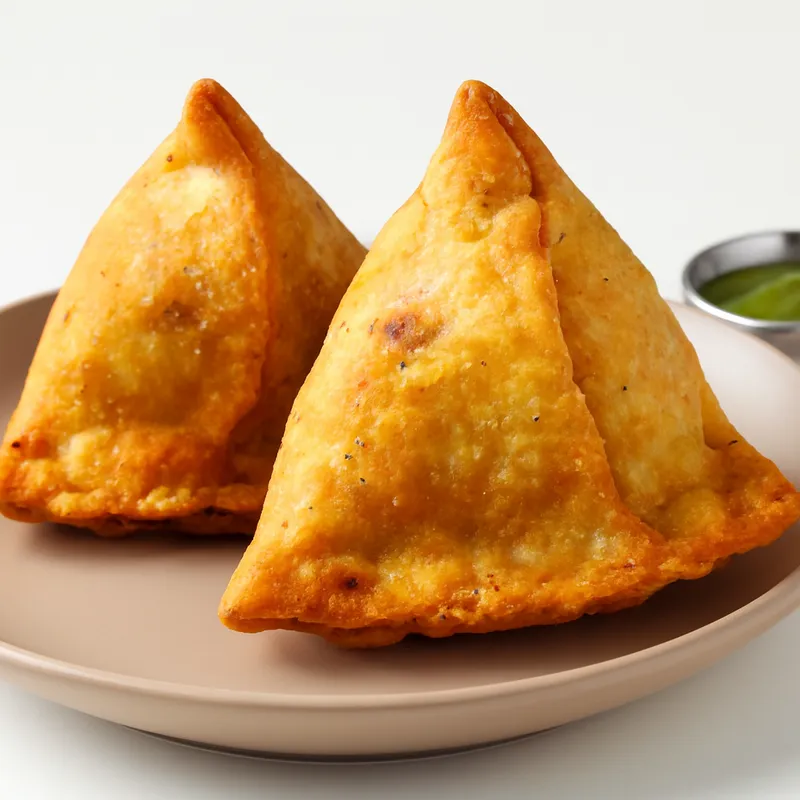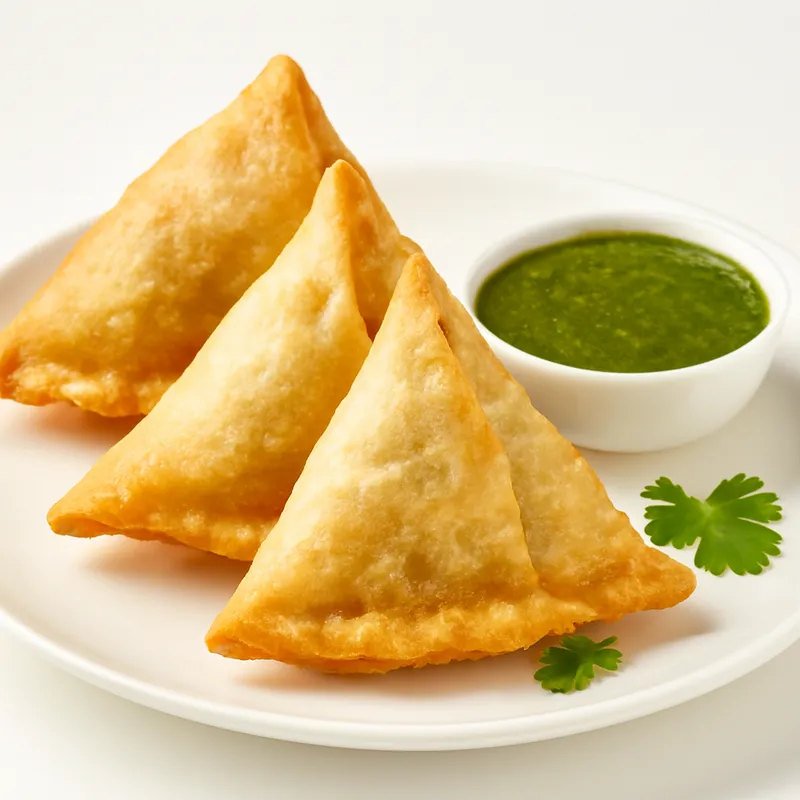
Crispy pastries filled with a spiced mixture of potatoes, peas, and herbs, often served with chutney.




The samosa traveled to the Indian subcontinent from Central Asia and Persia along trade and Mughal routes, with references in 13th–14th-century Delhi Sultanate texts (Amir Khusrau wrote about it around 1300). The Persian sanbosag was meat-stuffed; Indian cooks substituted potato (which arrived from the Americas via the Portuguese in the 16th century) and made it a vegetarian street food.
Central Asian sambusak that came south with Persian traders by the 13th century — Ibn Battuta ate it at Muhammad bin Tughlaq's court. The maida-and-ghee dough has to rest 30 minutes or it bubbles instead of crisping.
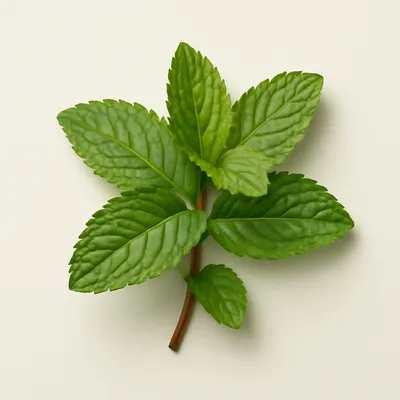
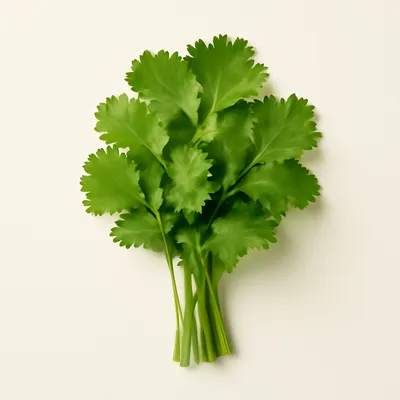
A triangular fried pastry, golden and bubbled, that shatters at first bite into a hot filling of cumin-spiced potato, peas, sometimes carrot, with a green chili buzz at the back. Eaten hand-to-mouth, dipped in tamarind chutney (sweet-sour) or mint-coriander chutney (green and sharp). The shell should crackle; if it bends, it sat too long.
The dough is the divider between good and bad samosa: maida flour with hot ghee or oil rubbed in (this short-textures the gluten), kneaded firm, rested, then rolled thin. Fried in two stages — low oil first to set the layers without browning, then hotter to color — gives the bubbled crust. One-temp frying gives an even brown but soft shell. Filling must be cold and dry going in or the pastry steams from inside.
Variations
Punjabi aloo-matar (potato-pea) is the canonical; Bengali shingara is smaller and sweeter with cauliflower; Hyderabadi keema samosa stuffs spiced lamb; Burmese samusa is in a noodle-and-curry soup.
On the Palate
Where Vegetable Samosas sits in the Indian flavor cloud
Rub hot ghee into the maida before adding water—this short-textures the gluten so the shell fries up flaky and bubbled instead of hard; the filling must go in cold and dry or the pastry steams from inside.
Ingredients




How it's made
5 steps · 45 min
- 115 min
Boil potatoes in salted water until fork-tender, about 15 minutes. Drain and mash them until smooth.
- 23 min
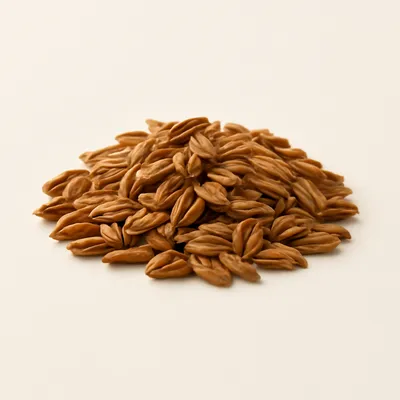
In a skillet, heat a tablespoon of vegetable oil over medium heat. Add cumin seeds and let them sizzle until aromatic, about 30 seconds. Stir in peas and cook until they are bright green, about 2 minutes.
Watch outLet the cumin seeds sizzle and darken a shade until they smell toasty; raw seeds taste flat.
- 32 min
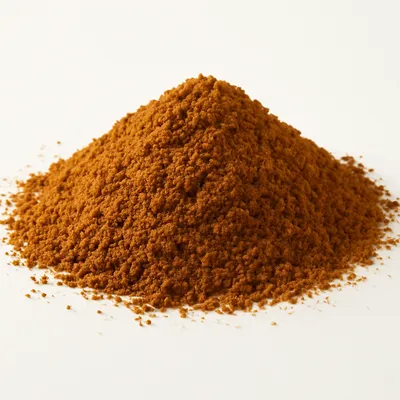
Add mashed potatoes to the skillet along with garam masala and other spices. Mix well and cook for another 2 minutes, letting the flavors meld together.
Watch outCook the filling until it looks dry and holds together—no wet sheen—so it won't steam the pastry.
- 410 min
Roll out the dough into thin circles. Place a spoonful of the filling onto each circle, fold in half, and crimp the edges to seal.
- 515 min
Heat oil in a deep pan to 350°F (175°C). Fry the samosas in batches until golden brown and crisp, about 5 minutes per batch.
Watch outStart in oil around 350°F/175°C but drop the heat once they go in so layers set before coloring; they're done at deep golden and firm to the tap.
Archive tool suggestions — not reviewed
These legacy suggestions have not been evidence-reviewed and are not presented as required tools.