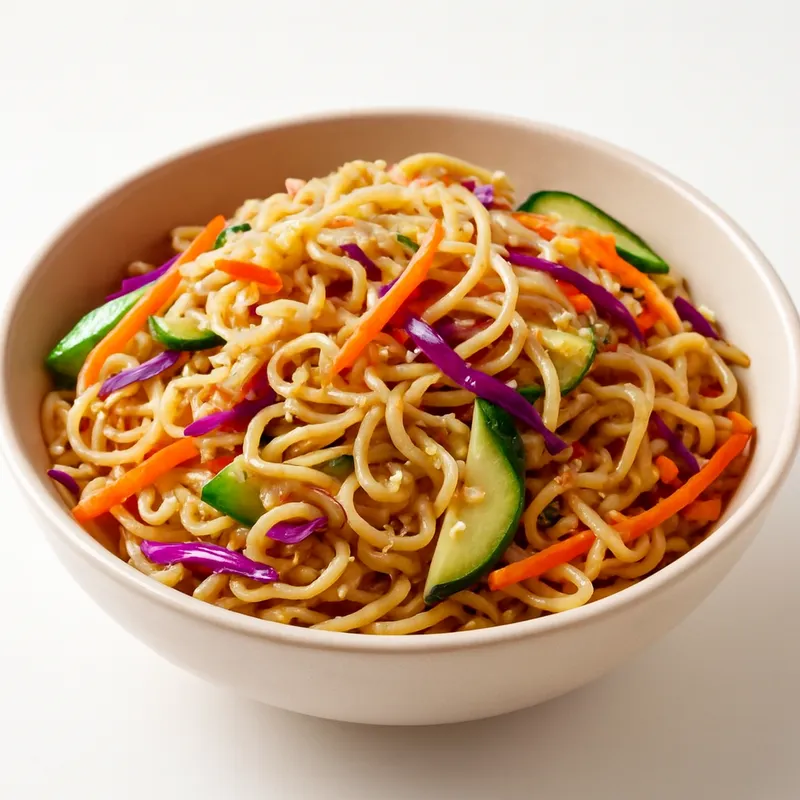
Nakami-jiru is an Okinawan clear soup of pork innards — stomach and intestine — simmered until tender in a light bonito-and-pork broth. The offal is scrupulously cleaned and de-odorized, then gently seasoned with salt and a little soy and finished with grated ginger and shiitake, so the broth stays clean, gentle and deeply savory rather than heavy. Despite its humble ingredients it is a celebratory dish, set out at New Year, weddings, festivals and memorial rites, when its appearance on the table signals an occasion. The whole reputation of the soup rests on the painstaking preparation of the innards.





Nakami-jiru belongs to Okinawa's pork tradition, in which, as the local saying has it, every part of the pig is eaten but its squeal. The word 'nakami' simply means the innards, and the dish's formal name is nakami no osuimono, an innards clear-soup. Its exact origin is unrecorded — it is broadly traditional Ryukyuan and Okinawan — but it has long held a place at the heart of celebration. Rather than an everyday bowl, it is a feast-day soup served at the year's most important gatherings, and the effort its careful cleaning demands is part of why it carries that ceremonial weight. Today it is also sold ready-made in retort packs across Okinawa.
The broth is clear and golden, gentle on the nose, smelling of bonito and pork rather than offal. The first sip is clean and softly savory, the pork-and-katsuo dashi deep but never greasy, with grated ginger threading a warm, fragrant lift through it. The innards are tender with a faint, pleasant chew, the shiitake adds an earthy note, and the whole bowl feels restorative and light. It is the antithesis of a heavy offal stew — quiet, elegant and warming.
Everything in nakami-jiru turns on cleaning the offal, which is the dish's defining labor. The raw stomach and intestine are rubbed and kneaded hard with flour — sometimes salt or okara — until they squeak clean, drawing out mucus and fat, then parboiled and drained repeatedly, the cloudy water thrown away each time until it runs clear, which strips away the smell. Only after that are they simmered slowly until the collagen-rich innards turn tender. The seasoning is kept deliberately light — salt, a little soy, ginger — precisely so the clean, gentle savor of the pork-and-bonito broth and the cleanly prepared offal can carry the bowl on their own.
Variations
Cooks differ on the seasoning: many add a touch of soy sauce, while others keep it strictly salt to preserve the clearest possible broth. Historically the soup was finished with Okinawan long pepper, with grated ginger the common modern substitute, and dried shiitake often goes into both the stock and the bowl. In Okinawa it is frequently eaten in place of mainland-style ozoni at New Year. Ready-made retort packs of nakami make the laborious version accessible at home, simply heated through.
On the Palate
Where Nakami-jiru sits in the Japanese flavor cloud
Ingredients
Serves 4

How it's made
6 steps · 50 min active + 1 hour 40 min waiting
- 125 min
Rub the raw pork stomach and intestine hard with flour, kneading until they squeak and the mucus and fat are drawn out, then rinse.
Watch outRub the offal with flour until it squeaks clean — this is the whole labor of the dish; skimp and the smell stays.
- 230 min
Parboil the offal, discard the cloudy water, and repeat the boil-and-drain several times until the water runs clear and the smell is gone.
Watch outBoil, dump the cloudy water, repeat until it runs clear — each clear-water pass strips more of the smell out.
- 310 min
Cut the cleaned offal into bite-size pieces.
- 490 min
Build a broth from a bonito-and-pork stock, add the offal and soaked shiitake, and simmer gently until everything is tender.
- 55 min
Season the soup lightly with salt and a little soy sauce, keeping the broth clear.
- 62 min
Ladle into bowls and finish with grated ginger and slices of the shiitake.
Archive tool suggestions — not reviewed
These legacy suggestions have not been evidence-reviewed and are not presented as required tools.