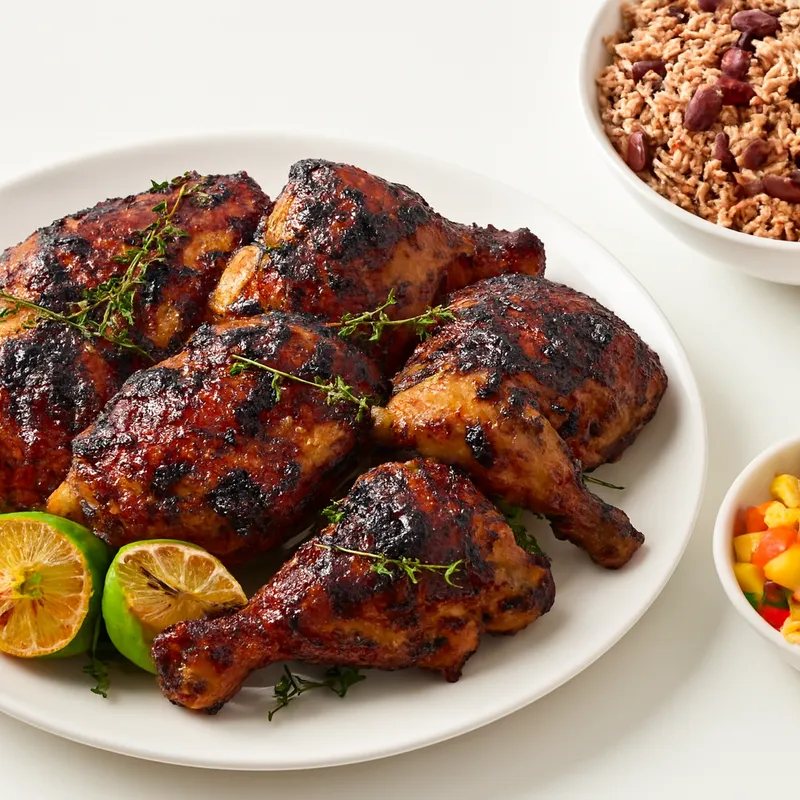
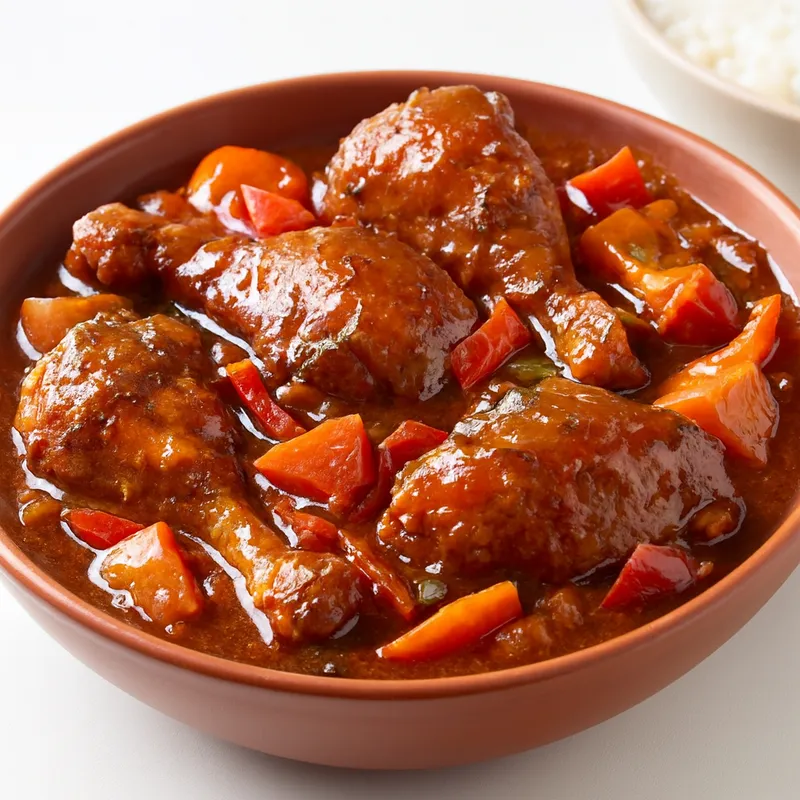
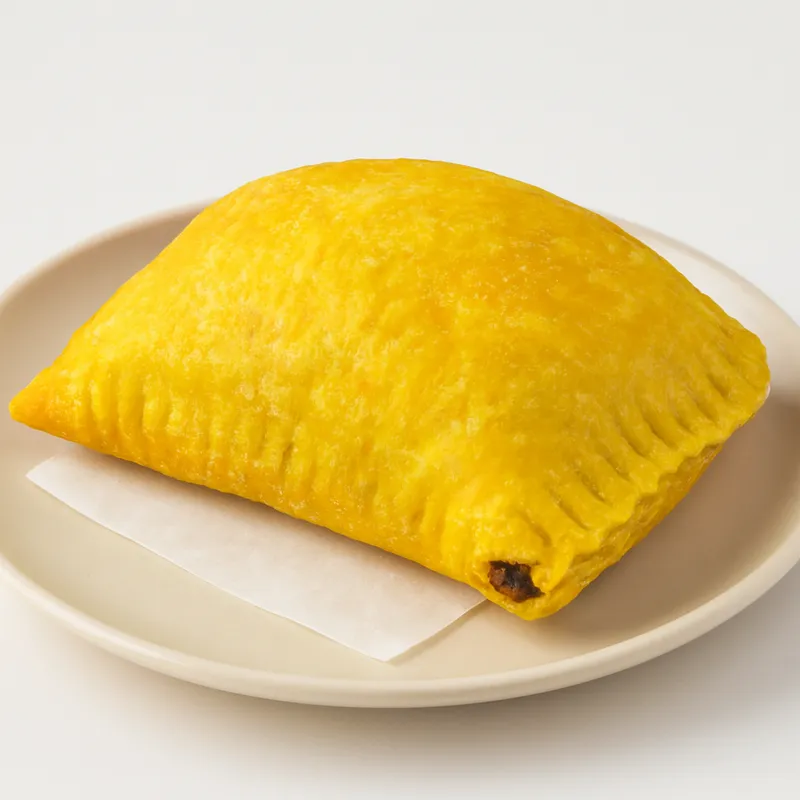
Succulent pork shoulder, marinated in a fiery jerk sauce, is slow-cooked over pimento wood for smoky perfection.



Developed by the Maroons — escaped enslaved Africans who fled to the Blue Mountains after the British took Jamaica from Spain in 1655. Living in hiding, they cooked over pits dug into the ground and covered with green pimento branches; the smoke disguised the fire and the slow heat preserved meat without salt, which was scarce. The word "jerk" likely comes from charqui (Spanish-Quechua, dried strips).
Cooked over green pimento wood in pits dug by Maroons hiding in the Blue Mountains after 1655. The eugenol in pimento leaves is the load-bearing aromatic — not the chili.
Pork shoulder, blackened bark outside, pink-edged inside, hacked into chunks with a cleaver on a stump and handed over with a square of festival bread. The rub reads in layers: allspice (pimento) first, then thyme, then a scotch-bonnet heat that builds rather than slaps. Smoke is sweet, not acrid — green pimento wood, not charcoal.
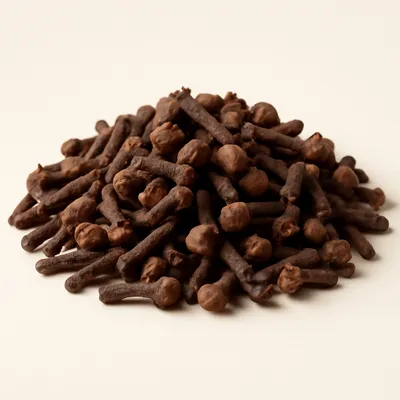
Pimento (allspice) is the load-bearing flavor — both in the rub and as the wood. The leaves and unripe berries contain eugenol, the same compound in clove, which is why supermarket jerk seasoning made without pimento tastes flat no matter how much chili you add. Real pit-cooked jerk smolders for 4–6 hours under tin sheet at 90–110°C; oven jerk gets the spice but never the wood.
Variations
Boston Bay (Portland) is the pit-cooked benchmark; Scotchies (Montego Bay, Ocho Rios) is the chain version on tin sheet; Walkerswood does the bottled paste that home cooks default to.
On the Palate
Where Jerk Pork sits in the Jamaican flavor cloud
Ingredients




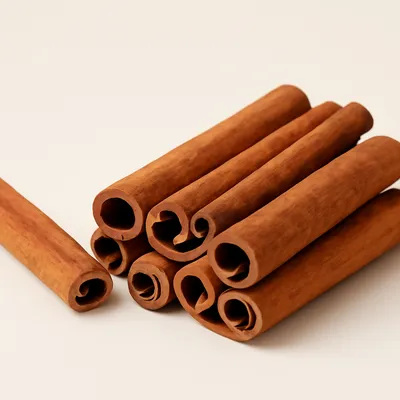

How it's made
5 steps · 4 hours
- 12 min
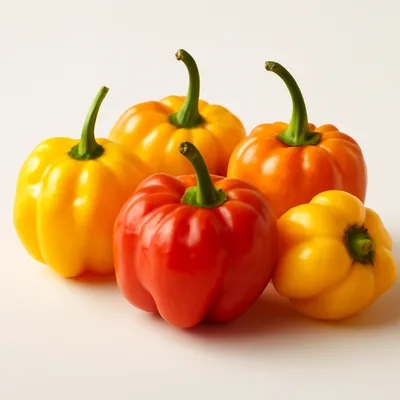
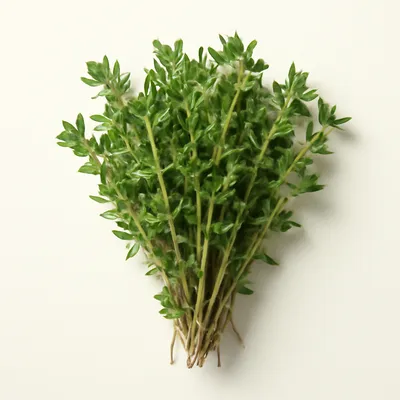
Blend scotch bonnet, garlic, thyme, scallion, ginger, soy sauce, brown sugar, and allspice into a marinade.
- 2228 min
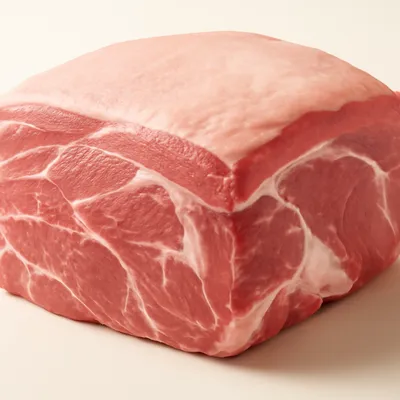
Rub marinade generously over pork shoulder, let it sit overnight.
Watch outWork the paste into every fold and let it sit overnight — a quick rub only flavors the surface, and cut deeper into the fat side so the spice reaches the middle.
- 34 min
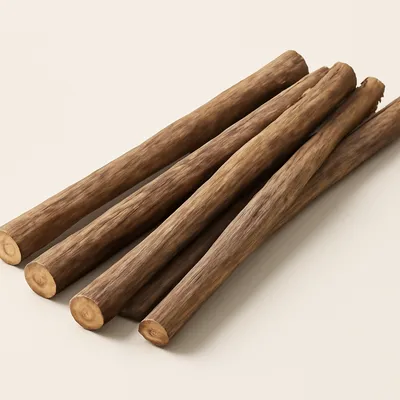
Prepare a grill with pimento wood, heating it to a medium flame.
- 44 min
Place marinated pork on the grill, cover, and cook slowly.
Watch outCook it low and slow with the lid down and the meat off the direct flame — jerk should smolder for hours, not sear; if you hear sizzling and see flare-ups the fire's too high and the outside will char before the middle's done.
- 52 min
Baste occasionally with remaining marinade until cooked through.
Watch outIt's done when a poke near the bone slides in with no resistance and the juices run clear — pork shoulder needs to hit that fall-apart stage, still pink from the spice but tender.
Archive tool suggestions — not reviewed
These legacy suggestions have not been evidence-reviewed and are not presented as required tools.
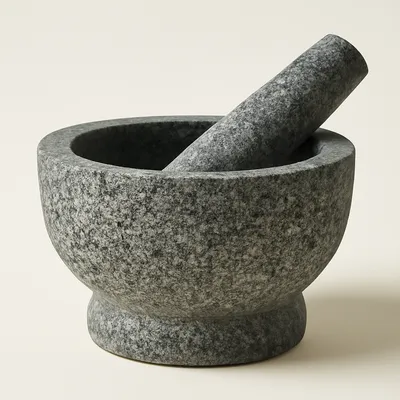
The simplest tool in any kitchen: a heavy bowl and a club to bash things in it. Different cuisines use different stones — Thai cooks pound green papaya in a tall granite mortar (krok hin); pesto Genovese requires the soft-pored Carrara marble; Indian masalas grind down on rough basalt. The bash-don't-cut motion releases volatile oils that a blade keeps sealed in the cell wall.
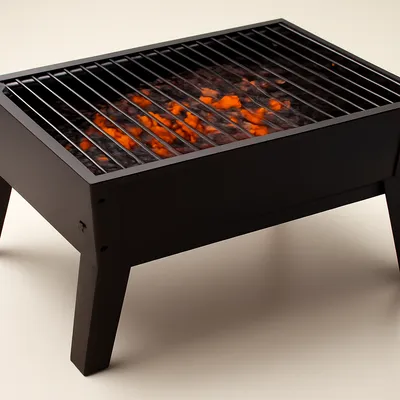
An open or hooded metal frame holding a bed of glowing charcoal embers, with a grate above. Charcoal burns at 700°C+ on the surface and emits short-wave infrared, which cooks proteins faster and with deeper Maillard browning than gas. Hardwood lump charcoal (oak, mesquite, fruitwood) lends its own smoke; cheap briquettes do not. Mastery is mostly heat zoning — direct over coals for searing, indirect off-coals for slow-roasting.

A heavy rectangular Chinese knife — the cai dao — with a flat 18-22 cm blade about 2 mm thick. The single tool handles every kitchen job: julienning ginger, splitting whole chickens, smashing garlic with the side of the blade, scooping diced onions on the broad face. The flat profile means knife-skill in Chinese kitchens is fundamentally different from Western technique — you push-cut and rock-cut, never slice through.