


Sahrawi
Camel, couscous, and three glasses of tea in the dunes.
Camel Stew
The Sahrawi festive centerpiece — camel meat slow-stewed with onion, tomato, cumin, and desert spices until the tough, lean meat turns tender and rich, often served over couscous. The meat of the caravan, cooked low and long when a celebration calls for it.
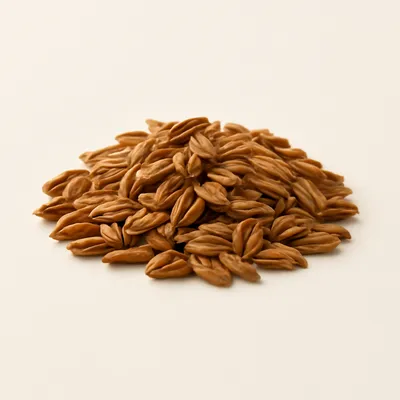
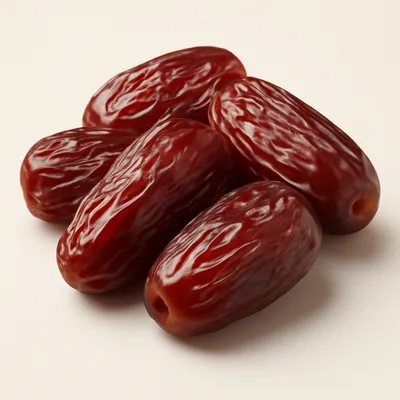
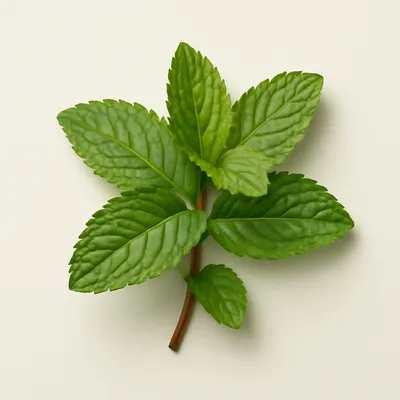
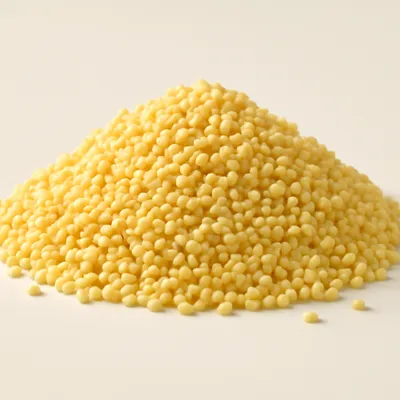
View page →Sahrawi cooking is the food of the nomadic peoples of the Western Sahara and the wider desert — the Sahrawi and the Tuareg — a spare, resourceful cuisine of the camel caravan and the oasis. Camel is the festive meat; goat and lamb fill the everyday pot. Couscous is the grain of celebration; millet becomes aseeda porridge; taguella is the Tuareg bread baked in hot sand. Dates from the oases give energy, and above all is the tea — strong green tea with mint and heavy sugar, poured in three rounds, the central ritual of hospitality. Camel, couscous, millet, dates, and mint tea — that is the Sahrawi pantry.
The Palate
Start Here
Camel slow-braised with onion, tomato, and cumin until tender, served over couscous.
Why start here · The festive centerpiece of the desert table, where camel feeds the whole camp.
Steamed semolina mounded with lamb and hardy desert vegetables in a cumin broth.
Why start here · The communal grain of celebration, shared by hand from a single platter.
Strong green tea with mint and heavy sugar, poured from a height in three rounds.
Why start here · More than a drink — the sacred ritual that welcomes a guest to the desert tent.
The Pantry











On the Map
Where this cuisine is found
Regional Styles
The Caravan & the Pot
The festive meats of the desert — camel, couscous, and roast goat.
How They Cook
Techniques that define this cuisine


