
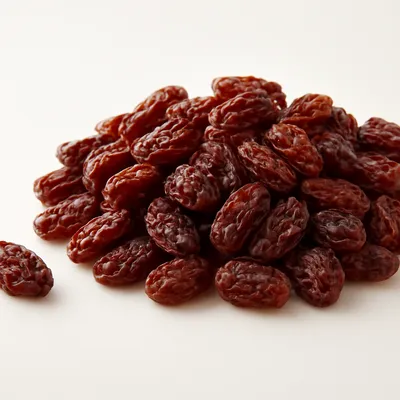
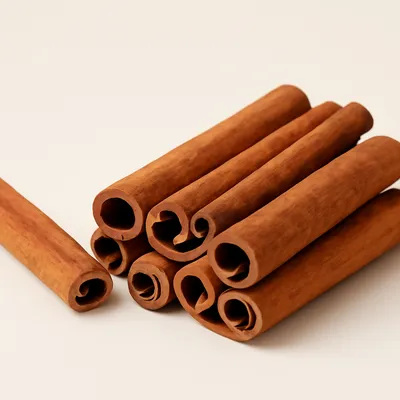
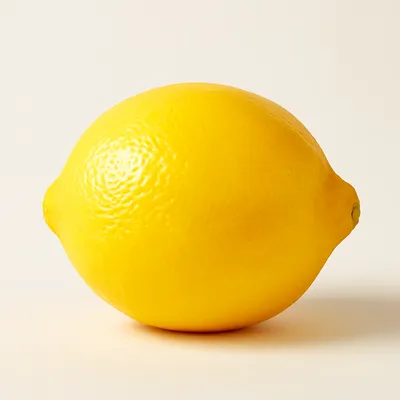
The apple strudel of South Tyrol (Alto Adige) and Trentino, a long roll of paper-thin pastry wound around a filling of sliced apples, rum-soaked raisins, pine nuts, sugar, cinnamon, lemon and toasted breadcrumbs. Strudel is a recognised PAT (Prodotto Agroalimentare Tradizionale) in both provinces, and in the apple country of the upper Adige valley it is the regional dessert above all others. The dough is the showpiece: stretched by hand over a floured cloth until it is translucent, almost large enough to cover a table, then rolled up and baked golden. It is served warm in thick slices, often with a dusting of powdered sugar and a spoon of whipped cream or vanilla sauce.





Strudel pastry belongs to the wider Austro-Hungarian tradition, and the technique of an ultra-thin stretched dough is usually traced back through the Hungarian rétes to the layered Ottoman pastries of the baklava family, spread across the Habsburg lands. The oldest known strudel recipe is a handwritten manuscript kept in the Vienna town library, dated to around 1696. South Tyrol came to the dish as part of that Austro-German world before the province passed to Italy after the First World War, and the local abundance of orchard apples in the Adige and Venosta valleys made apple the natural filling. Older claims tracing strudel to antiquity are folklore; the documented record begins with the Viennese kitchens of the late 17th century.
A good slice shows a tight spiral of crisp, wafer-thin pastry around a soft, juicy band of apple. The pastry shatters cleanly and is never doughy or thick; the apples are tender but still hold their shape, tart against the sweetness. Rum-plumped raisins and pine nuts stud the filling, cinnamon and lemon lift it, and the layer of toasted breadcrumbs against the pastry stays just dry enough to keep the base from going soggy. Eaten warm, the contrast of the brittle crust and the warm, scented fruit is the whole point; left to sit too long, the pastry softens and loses its snap.
Everything rests on the stretched dough. A high-protein flour worked with a little oil, warm water and a long rest develops the gluten so the dough can be pulled, not rolled, over the backs of the hands until it is thin enough to read newsprint through; the oil and resting relax the gluten so it stretches without tearing. The toasted breadcrumbs scattered over the dough are not decoration — they soak up the juice the apples release in the oven, so the bottom layer of pastry crisps instead of stewing. Tossing the apples with lemon slows their browning and sharpens the flavour, while the sugar draws out some juice during baking. In the hot oven the thin sheets of dough dry and crisp almost instantly, setting the spiral before the fruit can soften them.
Variations
The leanest traditional version uses the hand-stretched strudel dough, but home cooks also make it with shortcrust (pasta frolla) or puff pastry for an easier, richer base. Walnuts often stand in for pine nuts, and some add a splash of rum or grappa to the filling. Across the border the same dish is the Austrian and Bavarian Apfelstrudel; within the region the technique carries over to savoury strudels filled with cabbage, spinach or speck, and to other fruit fillings such as the topfenstrudel made with quark.
On the Palate
Where Strudel di Mele sits in the Italian flavor cloud
Ingredients
Serves 8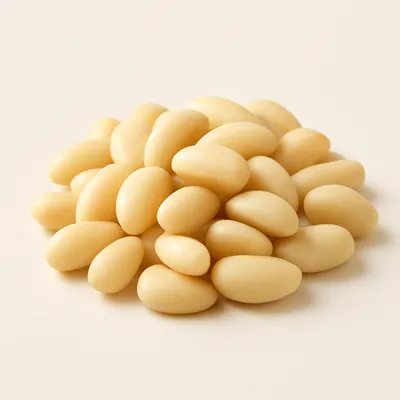

How it's made
8 steps · 50 min active + 40 min waiting
- 115 min
Make the dough: mix strong flour with a little neutral oil, a pinch of salt and warm water into a soft, smooth dough; knead well, brush with oil, cover and rest at least 40 minutes.
Watch outRest the oiled dough at least 40 minutes — the oil and rest relax the gluten so it can later be pulled paper-thin without tearing; skip the rest and it fights back and rips.
- 210 min
Soak the raisins in rum to plump. Peel, core and thinly slice the apples and toss with lemon juice, sugar and cinnamon.
- 35 min
Toast the breadcrumbs in butter until golden and set aside.
- 415 min
Stretch the rested dough over a large floured cloth, working from the centre with the backs of your hands until it is translucent and very thin; trim any thick edges.
Watch outStretch the dough with the backs of your hands until you can read print through it — that translucent thinness is the whole point of a strudel; thick patches bake doughy.
- 58 min
Brush the sheet with melted butter, scatter the toasted breadcrumbs over the lower third, then spread the apples, raisins and pine nuts on top.
Watch outScatter the toasted breadcrumbs under the apples — they soak up the juice the fruit releases so the bottom pastry crisps instead of stewing soggy.
- 65 min
Using the cloth, roll the strudel up into a tight log, tuck in the ends, and lift onto a lined tray seam down.
- 740 min
Brush all over with melted butter and bake at 190°C for about 35–40 minutes until deep golden and crisp.
- 85 min
Cool slightly, dust heavily with powdered sugar, and serve warm in thick slices with whipped cream or vanilla sauce.
Archive tool suggestions — not reviewed
These legacy suggestions have not been evidence-reviewed and are not presented as required tools.


