



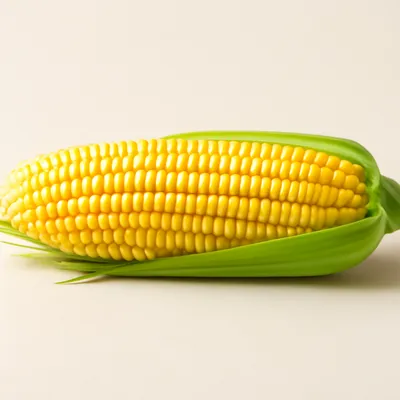
Tamales are Mesoamerican (Aztec/Maya), with the word itself meaning 'wrapped' in Nahuatl. The Cuban version isn't a direct transplant of the Mexican one: fresh tender corn replaces nixtamalized maize, and it descends in part from a pre-Columbian Caribbean tradition. The island's Taíno made guanime, a fresh-ground-corn cake wrapped in leaves and boiled — it could be filled or plain, and was wrapped not in corn husk but typically in plantain leaf or palm sheath (yagua). Spanish colonists added pork and a sofrito-based seasoning after 1492, and the dish stabilized in its creole form by the 19th century. (Some accounts instead trace the lineage straight to the Mexican tamal tradition; the relative weight of the two threads is unsettled.)
Taíno adaptation — pre-Columbian Caribbean indigenous people made guanime, a fresh-corn pudding wrapped in leaves. Spanish colonists added pork after 1492. Fresh grated sweet corn, not nixtamalized maize: no lime treatment, so the dough is wetter and sweeter. Boiled in the husk, not steamed — the husk seals the moisture.
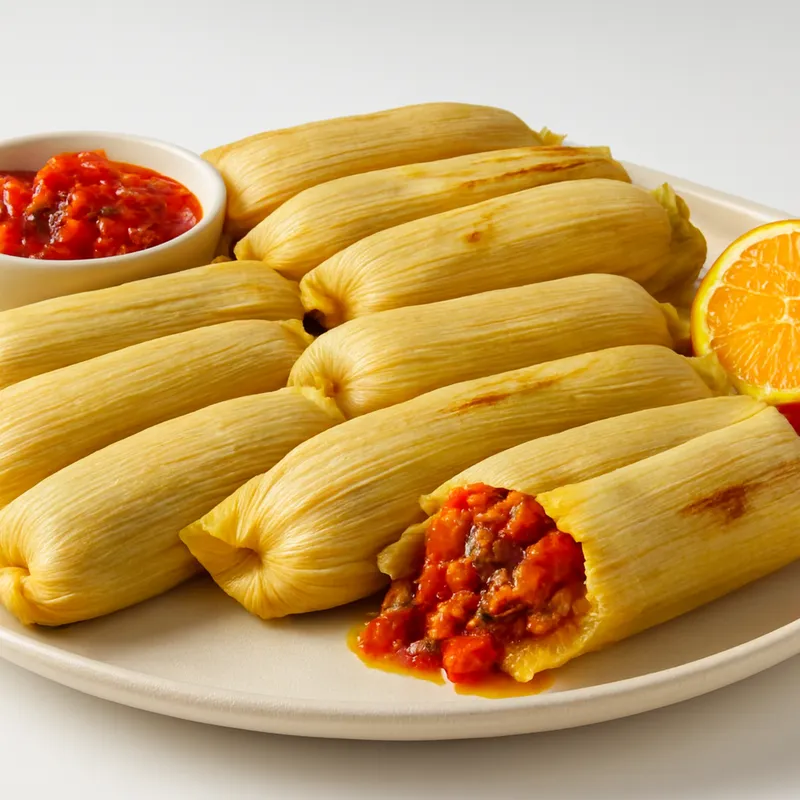
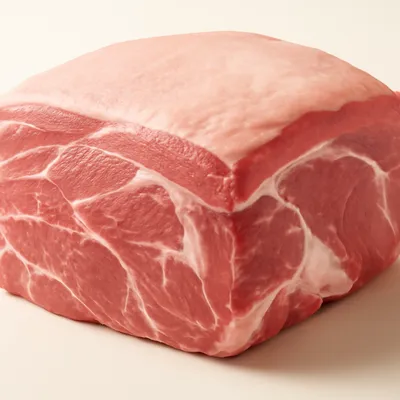
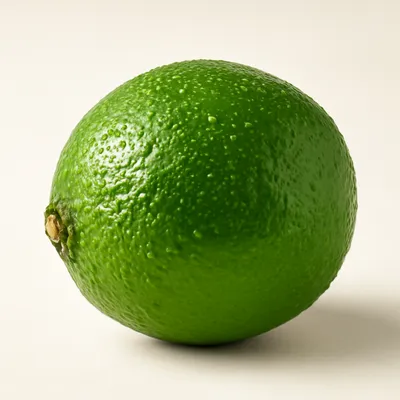
Soft fresh-corn dough wrapped in a dried corn husk and tied at both ends, simmered until set. Unwrapped, the masa is wetter and yellower than Mexican tamales — closer to a savory polenta — with chunks of pork shoulder cooked into the dough itself, not layered on top. Sofrito and a hit of sour orange make it. Eaten directly from the husk with a spoon.
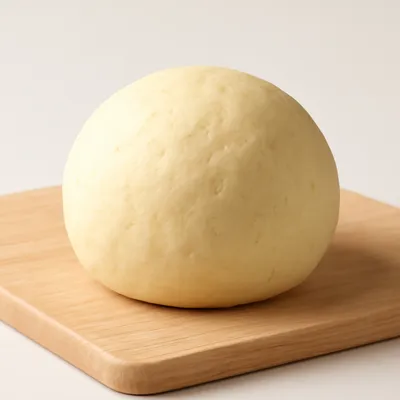
Fresh corn vs nixtamalized maize is the technical fork. Cuban masa is grated raw sweet corn, often blended, with cornmeal added only to thicken — no lime treatment, no nixtamal. This makes the dough sweeter, wetter, and more delicate, lacking the slaked-lime structure of Mexican masa. The seasoned pork is built into a sofrito (garlic, onion, sweet pepper and tomato sautéed in lard) and mixed through the raw corn dough — though some cooks instead center the pork as a filling. Wrapped bundles are most often boiled submerged in water for about an hour to an hour and a quarter, the husk sealing in moisture so the dough sets evenly; steaming is also done, but boiling is the more common traditional method.
Variations
Cuban tamal en cazuela skips the husk and serves the same masa loose in a bowl; Puerto Rican pasteles use plantain-and-yautía masa instead of corn; Dominican pasteles en hoja wrap in plantain leaf; Colombian tamal tolimense (a cousin) uses banana leaf and chickpeas.
On the Palate
Where Tamales Cubanos sits in the Cuban flavor cloud
Ingredients

How it's made
5 steps · 4 hours
- 132 min
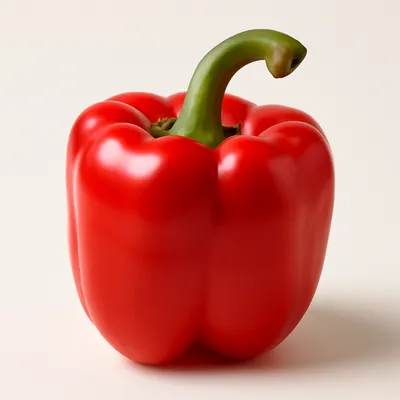
Prepare a sofrito by sautéing bell peppers, onions, and garlic.
Watch outCook the sofrito low and slow until the onion turns glassy and the peppers slump — no browning; you want a soft, sweet base, not a fried one.
- 219 min
Mix cornmeal with sofrito, sour orange juice, cumin, and pork.
- 395 min
Soak corn husks in warm water until pliable.
Watch outThe husks are ready when they bend without cracking and go from stiff to leathery-soft — brittle husks split when you fold.
- 432 min
Spoon the mixture onto corn husks and fold securely.
- 563 min
Steam until the tamales are firm and cooked through.
Watch outDone when a poked bundle feels set and springs back, not soupy — the wet corn masa needs the full hour to firm from custardy to sliceable.
Archive tool suggestions — not reviewed
These legacy suggestions have not been evidence-reviewed and are not presented as required tools.