



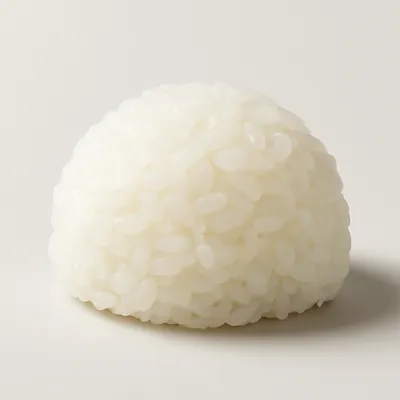
A Hakata (Fukuoka) home dish, originating among the city's commercial fishermen in the late Edo or early Meiji period (mid-1800s). Fukuoka's harbor brought in mackerel in such volume that fish-curing methods had to be fast and salt-cheap; the sesame-soy dressing was simply the local way to season the abundant fresh fish, not a preservation method. It moved from fishermen's homes to teishoku restaurants in the postwar period and is now a Hakata standard.
Hakata fishermen's mid-1800s home dish — raw mackerel in toasted-sesame, soy, mirin, ginger. Mackerel is the textbook scombroid-poisoning fish (high histidine), so this only works in a fishing port with hours-old fish.
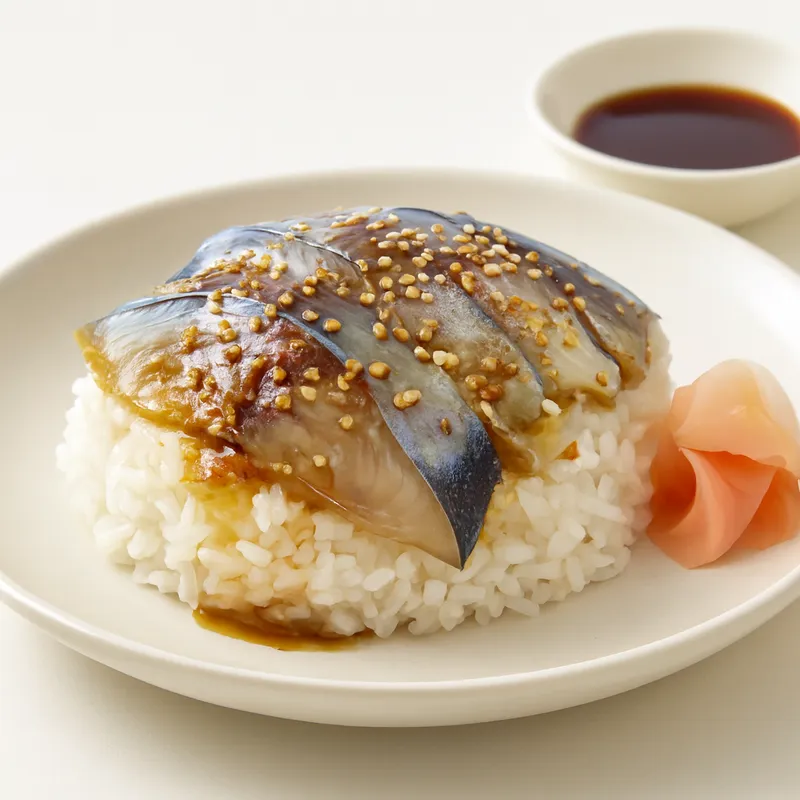
Raw or lightly cured mackerel slices in a thick paste of toasted white sesame, soy, mirin, sake, and grated ginger. The fish is firm and oily; the sesame coating is dark beige, sticky, sweet-savory. Served over hot rice, often as part of a teishoku set with miso soup. A working-class breakfast dish in Fukuoka — eaten with green tea poured over the rice (ochazuke-style) at the end.
Mackerel is high in histidine, which converts to histamine in spoiling fish — that's why it's the textbook scombroid-poisoning fish. Hakata-style goma saba uses fish so fresh it can be eaten raw, and the soy-mirin-sesame mixture has its own preservative effect: the salt draws surface moisture out, the sesame oil coats the slices and slows oxidation. Fukuoka can eat saba raw mainly because Genkai Sea coastal mackerel carries a different Anisakis profile than Pacific-caught fish (its parasites migrate into the flesh far less readily) and the port sits close to the city, ensuring extreme freshness; the soy-mirin-sesame dressing is primarily seasoning, not a preservative.
Variations
Hakata standard at teishoku shops like Hyotan Sushi and Hakata Hanamidori; the Sasebo (north Kyushu) version leans heavier on ginger; closer-cooked variants finish ochazuke-style with hot green tea poured over the rice.
On the Palate
Where Goma Saba sits in the Japanese flavor cloud
Ingredients


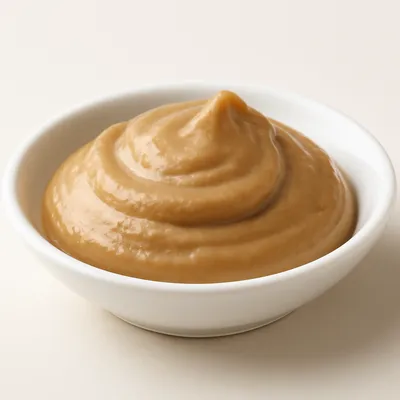




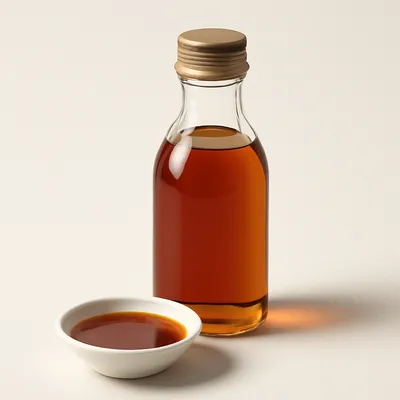
How it's made
5 steps · 20 min
- 11 min
Slice mackerel into thin pieces.
- 21 min
Mix sesame, soy sauce, mirin, and sake to create a marinade.
Watch outWhisk the soy-mirin-sesame until the sesame smells nutty and the mix looks glossy and slightly thick — that coat is what preserves and flavors the raw fish.
- 317 min
Marinate mackerel slices in the sauce for at least an hour.
Watch outMarinate at least an hour in the fridge — the salt should firm the surface and pull out a little moisture, not turn the flesh mushy, so don't leave it overnight.
- 41 min
Arrange marinated mackerel over sushi rice.
- 51 min
Garnish with sliced green onion and ginger before serving.
Archive tool suggestions — not reviewed
These legacy suggestions have not been evidence-reviewed and are not presented as required tools.