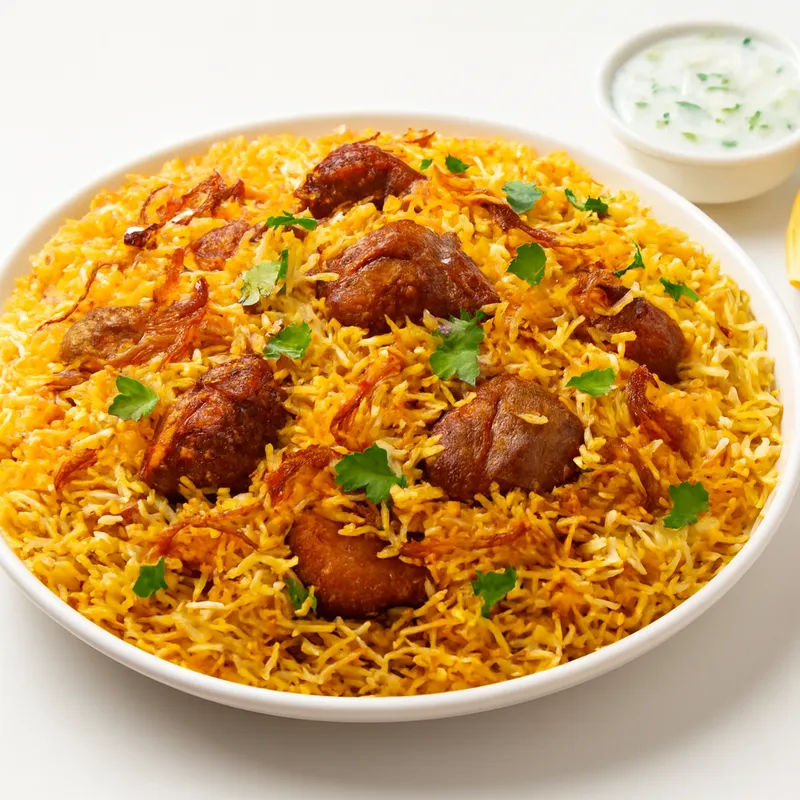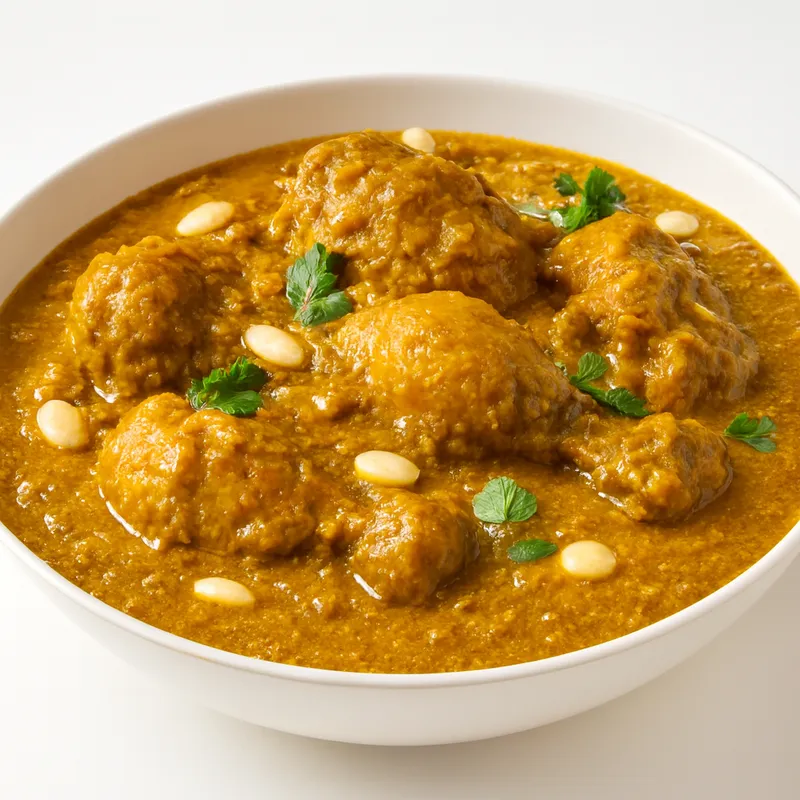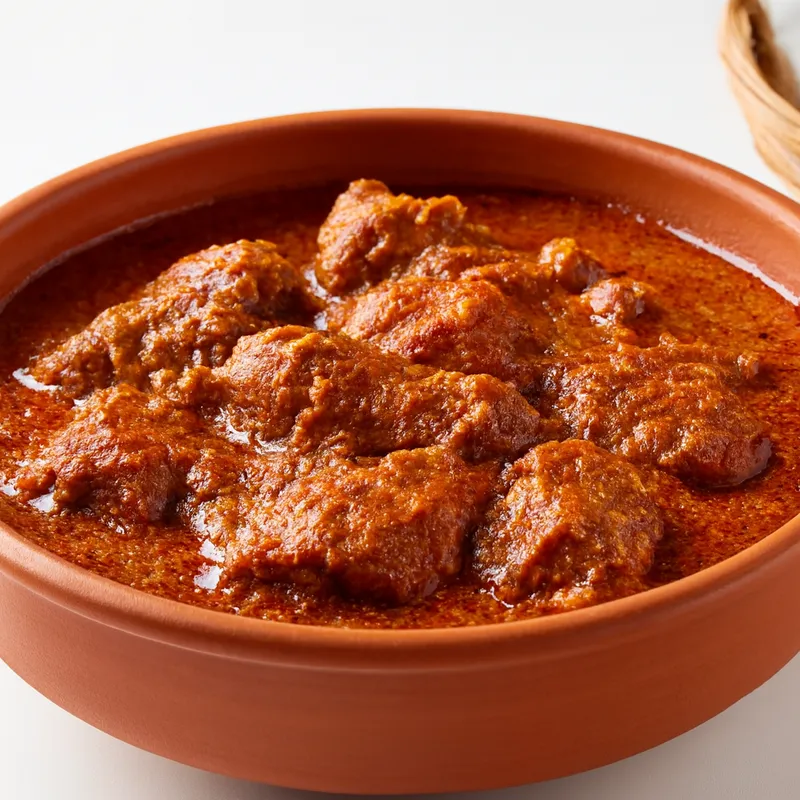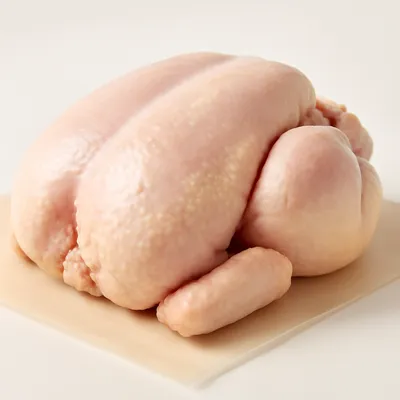



Brought to Goa via Portuguese soldiers and African cooks from Mozambique in the 17th century — 'cafreal' derives from 'cafre,' the old Portuguese term for African (from Arabic 'kafir'). The original was a charcoal-grilled bird from the Portuguese African colonies; Goan kitchens kept the green-paste marinade and charcoal method but switched the herbs and added vinegar from the local Christian larder.
Brought to Goa by 17th-century Portuguese soldiers and African cooks from Mozambique — cafreal from old Portuguese cafre (African). Marinade must rest at least four hours so herb enzymes and vinegar grip the surface; rush it and the paste slides off in the pan.
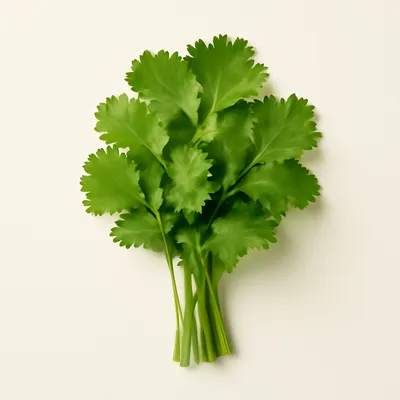
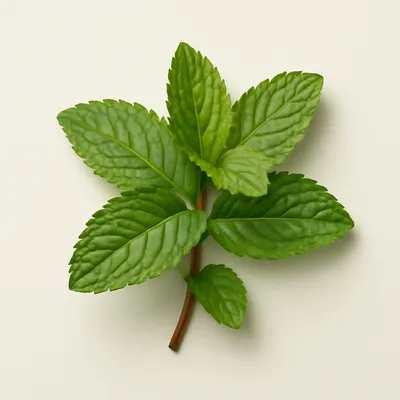
Bone-in chicken legs lacquered in a dark green crust — coriander, mint, green chili, ginger, garlic, palm vinegar, peppercorn. Pan-fried or grilled until the marinade goes near-black at the edges. Sharper and herbier than any other Goan chicken; vinegar carries through to the bone. Eaten with pão or fried potato wedges, never rice. The crust should crack, not smear.
The marinade has to go on raw and rest at least four hours — the vinegar acid (and salt) breaks down the chicken surface so the crust adheres during searing. Skip the rest and the paste slides off in the pan, leaving naked chicken in green oil. Charcoal is traditional but a smoking-hot cast iron does almost the same job.
Variations
Florentine's in Saligao runs the canonical Goan cafreal; Mozambican frango grelhado is the closer ancestor; Portuguese frango piri-piri shares the African-colony lineage with hotter chili; modern Goan shacks pre-cook the chicken in the marinade before searing, which old purists consider boiled, not grilled.
On the Palate
Where Cafreal Chicken sits in the Indian flavor cloud
Ingredients


How it's made
5 steps · 1 hour 30 min
- 15 min
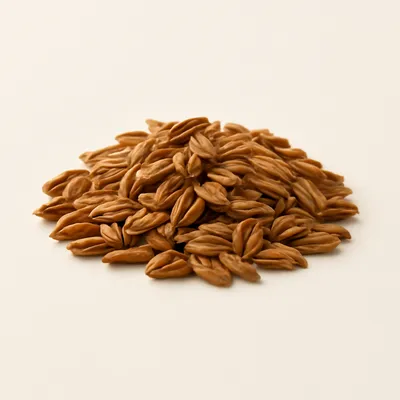
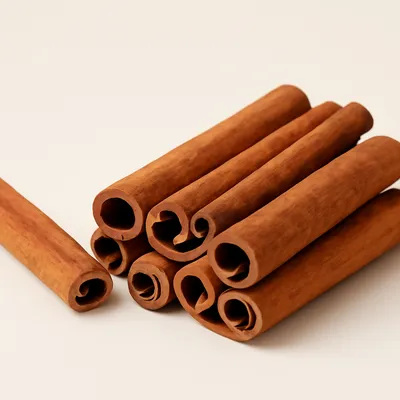
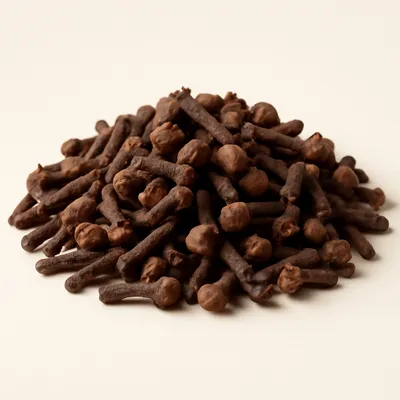
Blend cilantro, mint, green chilies, ginger, garlic, cumin, cinnamon, and clove into a smooth paste.
- 260 min
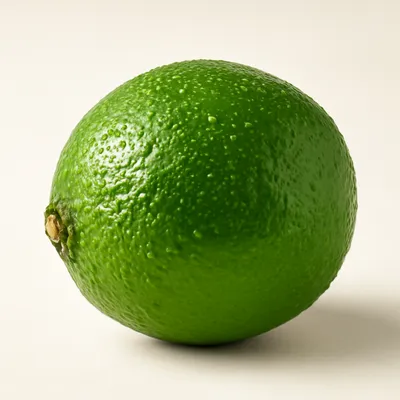
Marinate chicken with the green paste and lime juice for several hours.
Watch outRub the paste on raw and let it rest hours in the fridge — the acid and salt grip the chicken surface so the crust holds; rush it and the paste slides off into green oil.
- 38 min
Preheat a grill or oven.
- 45 min
Cook the marinated chicken until fully cooked and slightly charred.
Watch outSear on high until the green crust catches dark char spots and clings — if it looks wet and pale, the pan isn't hot enough and the coating will smear.
- 52 min
Serve hot, garnished with lime wedges.
Archive tool suggestions — not reviewed
These legacy suggestions have not been evidence-reviewed and are not presented as required tools.
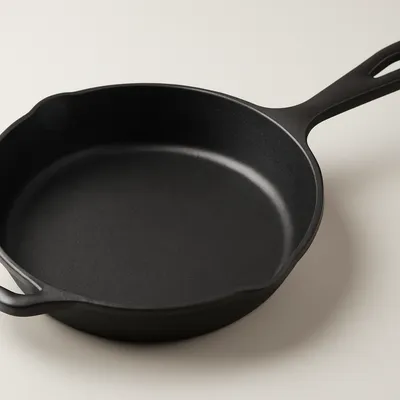
A heavy, single-piece cast iron pan, 25-30 cm across, weighing 1.5-2.5 kg. Once preheated, the thick mass holds 230°C+ even when a cold steak hits the surface — that's the secret to a deep crust. A well-seasoned skillet (multiple thin layers of polymerized oil baked into the iron) is essentially nonstick, gets better with use, and lasts a century. Lodge skillets from Tennessee have been in continuous production since 1896.
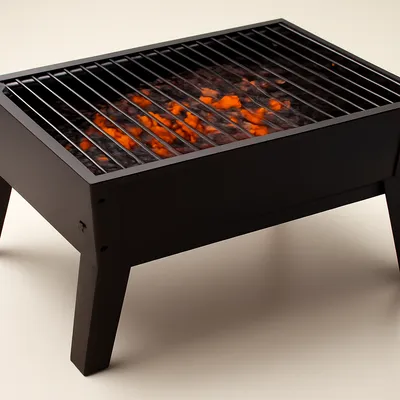
An open or hooded metal frame holding a bed of glowing charcoal embers, with a grate above. Charcoal burns at 700°C+ on the surface and emits short-wave infrared, which cooks proteins faster and with deeper Maillard browning than gas. Hardwood lump charcoal (oak, mesquite, fruitwood) lends its own smoke; cheap briquettes do not. Mastery is mostly heat zoning — direct over coals for searing, indirect off-coals for slow-roasting.