
Taiwan ramen is Nagoya's fiercely spicy minced-pork ramen, and despite the name it was born in Nagoya, not Taiwan. Thin noodles sit in a chicken-bone, soy-seasoned broth, crowned with a mound of pork mince stir-fried hard with red chili and garlic — the so-called 'Taiwan mince' — along with garlic chives (nira) and bean sprouts. The mince stains the soup red and loads it with chili heat, garlic, and a savory-fatty edge, so the broth ends up far hotter and louder than any noodle bowl in Taiwan itself. It is a defining dish of Nagoya's B-grade gourmet scene, beloved for the way the heat builds bowl-deep.

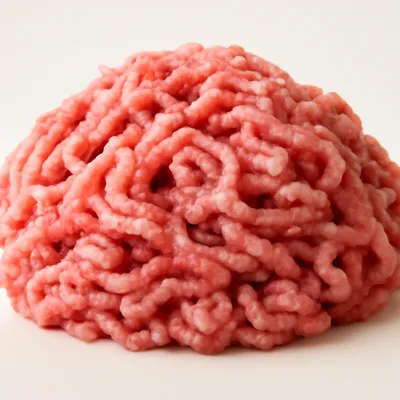



Taiwan ramen was devised around 1970 at the Taiwanese restaurant Misen (Weixian) in the Imaike district of Nagoya and put on the menu by 1971. Its creator, the Taiwanese-born proprietor Kuo Ming-yu, had eaten danzai noodles — a mild Tainan street specialty topped with seasoned pork mince — on a trip home, and could not find them in Japan, so he recreated the idea his own way. Danzai noodles are not spicy at all; Kuo added a heavy hit of red chili and garlic chives, partly because the Imaike neighborhood had many Korean residents he thought would welcome the heat, and partly because he himself loved spicy food. The 'Taiwan' name honors the Taiwanese cook and his Taiwanese inspiration rather than any actual Taiwanese dish, and the spiced bowl took off across Nagoya from there.
The aroma is all chili and toasted garlic, sharp enough to clear the sinuses before the first bite. The broth is savory and soy-deep, but the heat arrives fast and keeps stacking as the chili from the mince leaches into the soup. The pork mince is dry-crisp and fragrant, the garlic chives give a pungent green snap, and the bean sprouts add a cooling crunch against the burn. By the bottom of the bowl your lips are tingling and the soup has turned almost too hot to finish — which is exactly the point.
The heat is capsaicin from the red chili, and the cooking method is what makes it relentless. The pork mince is stir-fried hard with plenty of chili and garlic until the fat renders and the meat browns, and because capsaicin is fat-soluble it dissolves into that hot oil; when the mince is ladled onto the noodles it slowly bleeds chili oil into the chicken-soy broth, so the soup grows hotter the longer it sits. Frying the mince dry also drives Maillard browning for a deep, roasted savor, while the chicken-bone stock and soy tare supply the glutamate backbone that keeps the bowl tasting of more than just heat.
Variations
At Misen the spice is dialed by a coffee-strength pun: 'American' is the mild version, thinned with extra broth like weak coffee, while 'Italian' roughly doubles the chili. Around 2008 the Nagoya shop Menya Hanabi in Takabata spun the same Taiwan mince into 'Taiwan mazesoba,' a brothless mixed noodle piled with mince, garlic chives, fish powder, raw garlic, and an egg yolk to be stirred together before eating. The Taiwan-mince idea has since fanned out into a whole family of Nagoya spin-offs, from Taiwan udon to Taiwan curry.
On the Palate
Where Taiwan Ramen sits in the Japanese flavor cloud
Ingredients
Serves 2

How it's made
6 steps · 30 min
- 18 min
Mince garlic and chop dried red chili; cut garlic chives into short lengths and rinse bean sprouts.
- 26 min
Stir-fry the pork mince in oil over high heat until browned and the fat renders out.
Watch outStir-fry the pork mince hard until browned and the fat renders — the capsaicin dissolves into that hot oil, so this is where the heat is built.
- 35 min
Add the garlic and chili and fry hard until fragrant and the oil turns red, then season with soy sauce, a little sake and sugar.
- 410 min
Bring a chicken-bone stock to a boil and season it with a soy-sauce tare for a savory base.
- 56 min
Boil the thin ramen noodles to a firm bite, drain well, and lay them in bowls of the hot broth.
Watch outBoil the noodles to a firm bite and drain well — they keep softening in the hot broth, so leave them chewy or they turn to mush in the bowl.
- 63 min
Top with the spicy pork mince, garlic chives and bean sprouts, then ladle a little of the chili oil over the surface and serve at once.
Archive tool suggestions — not reviewed
These legacy suggestions have not been evidence-reviewed and are not presented as required tools.


