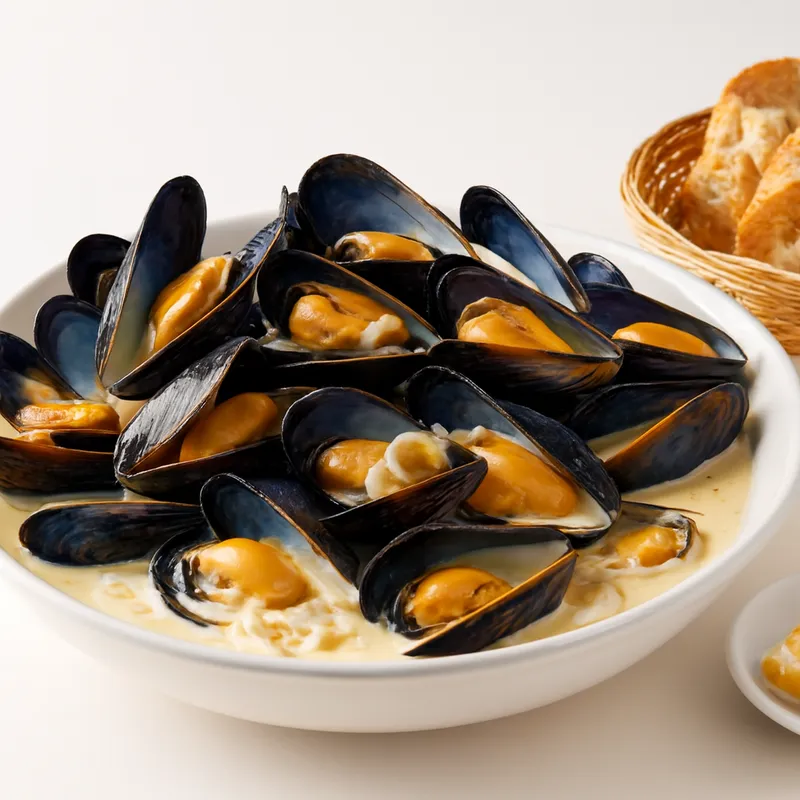
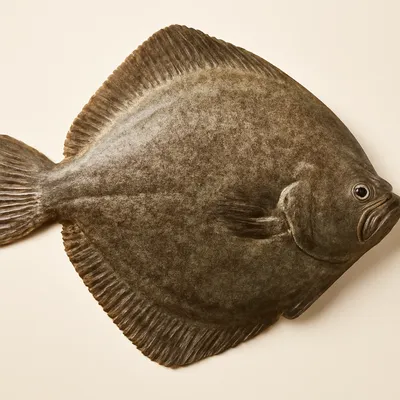
Marmite Dieppoise grew out of the fishing trade at the port of Dieppe and was codified and popularized in the 1950s-60s by Georgette Maurice, a Dieppoise cook who ran the quayside restaurant La Marmite Dieppoise (from which the dish takes its name) — a deliberate showcase of the local Channel catch (sole, turbot, monkfish) plus shellfish from the Dieppe market, bound together by Norman cider and cream. Although recent in invention, it is built entirely from older Norman regional grammar and has become the canonical Dieppe fish stew. Unlike spontaneously-evolved peasant stews like cotriade, marmite dieppoise is a refined, 'noble-fish' dish (Dieppe being the closest fishing port to Paris) that was deliberately codified at a named restaurant.
1962 invention by Jean-Pierre Quinton at La Marmite Dieppoise restaurant in Dieppe — built from older Norman regional grammar. Staggered-poach is the load-bearing trick: monkfish wants 5+ minutes at 80°C, oysters want 30 seconds. Drop them all together and at least one is wrong.
A pale ivory pool studded with white fish, ruby langoustine, deep-blue mussel shells. Each species is at its own correct doneness — turbot just-set, sole melting, monkfish meaty, oyster barely warmed. The sauce is cream-rich but pulled tight by the cider, so it never feels gluey. Compared to bouillabaisse it is delicate, dairy-forward, no saffron, no chili; compared to Breton cotriade it has cream where cotriade is broth-clean. Overcook any one fish and the dish loses the textural grade.
The staggered-poach is the only way to get five-plus species correct in one pot. Each fish has a different conversion temperature for collagen-to-gelatin and protein-set: monkfish wants 5+ minutes at 80°C, oysters want 30 seconds. Drop them all together and at least one is wrong. The cream-cider sauce is mounted off-heat at the end specifically because by that point the broth is concentrated enough that re-boiling would split the emulsion; the butter goes in last to glaze.
Variations
Quinton's La Marmite Dieppoise canonical (sole + turbot + monkfish + langoustine + mussel + oyster); Cherbourg variant skips the langoustine; Honfleur version adds saffron (a Provençal contamination); modern Paris bistros sometimes drop the staggered-poach and overcook the turbot.
On the Palate
Where Marmite Dieppoise sits in the French flavor cloud
Ingredients
Serves 6









How it's made
6 steps · 1 hour active + 15 min waiting
- 130 min
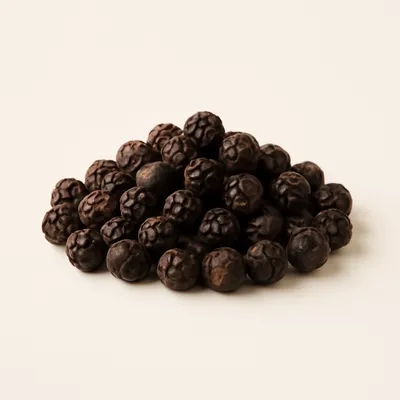
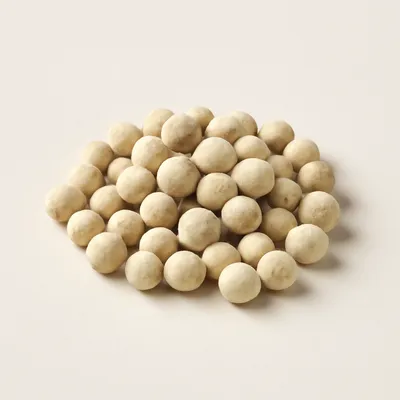
Make a 2L fish stock from white-fish bones (sole + turbot), leek tops, parsley stems, peppercorns; simmer 25 minutes, strain.
- 29 min
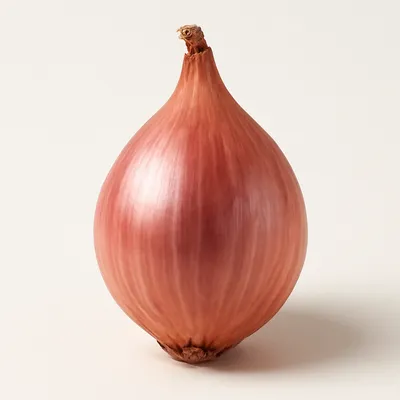
Sweat 3 sliced leeks (white only) in 60g butter 8 minutes — soft, no colour. Add 4 sliced shallots, 1 minute more.
- 35 min
Steam 800g mussels with 200ml dry cider, lid on, 3 minutes — until just open. Strain juice into the leek pot. Shell most mussels; reserve 18 in shell for garnish.
Watch outPull the mussels the instant they gape open, about three minutes — any longer in the pot and they shrink to rubber.
- 415 min
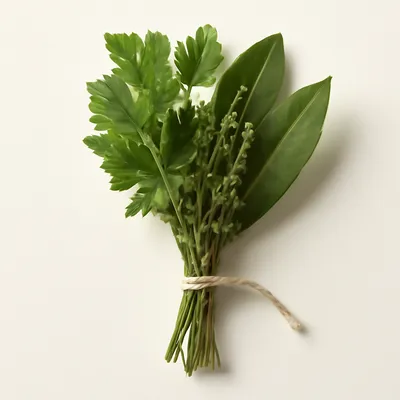
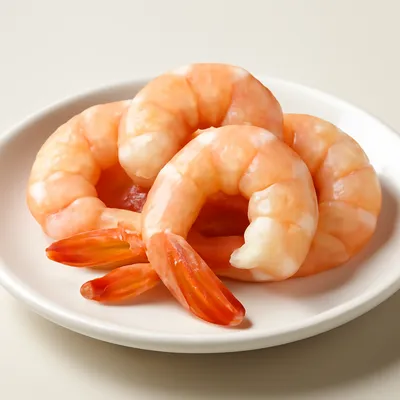
Add 1L fish stock, 200ml more cider, bouquet garni to leek pot. Reduce 10 minutes. Lower heat to 80°C. Add fish in stages by cooking time: 600g monkfish chunks first (5 min), then 600g turbot pieces (3 min), 12 langoustines and 12 large peeled prawns (2 min), 4 sole fillets folded (90 sec), 12 shucked oysters (30 sec).
Watch outHold the broth at a bare 80°C and add the fish by cooking time, longest first — drop them all in together and something's always over or underdone.
- 58 min
Lift all fish and shellfish to a deep warm bowl. Reduce broth 5 minutes. Whisk in 250ml crème fraîche. Mount 60g cold butter off heat. Adjust salt, white pepper, lemon.
Watch outMount the butter and cream off the heat — re-boil now and the concentrated broth splits into a greasy, grainy sauce instead of glossy.
- 63 min
Pour sauce over fish. Garnish with shelled mussels, in-shell mussels, chopped parsley. Serve with toasted Norman pain de campagne.
Archive tool suggestions — not reviewed
These legacy suggestions have not been evidence-reviewed and are not presented as required tools.