


Guinean
Yassa onions, mafé peanut, and the Fouta Djallon home of fonio.
Poulet Yassa
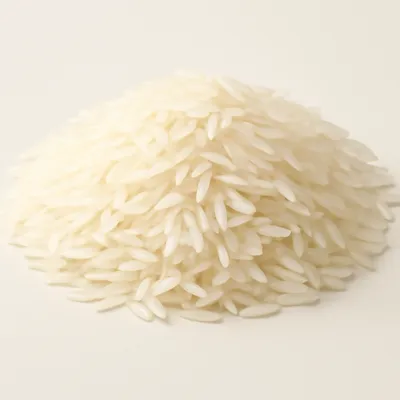
Guinea's unofficial national dish (originating in Senegal's Casamance region but central to Guinean cooking). Chicken pieces are marinated in lemon juice, mustard, garlic, and Scotch bonnet, then grilled or seared and finished in a deeply-caramelized onion sauce. The dish requires roughly 1 large onion per person; long-cooked onions are the soul of yassa. Served over white rice. Source: Wikipedia (Yassa); National Foods; Travel Food Atlas.
View page →Guinea-Conakry is the larger Atlantic Guinea (not to be confused with Guinea-Bissau or Equatorial Guinea), a country shaped by four distinct geographic Guineas: Maritime Guinea (the Conakry coast and the Susu people), the Fouta Djallon highlands (the Pulaar-Fulani highland plateau), Upper Guinea (the Mandinka and Malinké savanna), and Forested Guinea (the Kissi, Toma, and Kpelle forest south). Its kitchen sits at the headwaters of the Mande peanut-and-rice tradition that fans out across Senegal, Mali, the Gambia, and Liberia. Poulet Yassa — chicken slow-cooked under a mountain of caramelized onions, lemon, mustard, and scotch bonnet — is Senegambia-shared but beloved across Conakry. Mafé is the West African peanut stew; the Guinean version often leans on beef and sweet potato and shows the Fouta Djallon's mountain richness. Fonio — the ancient drought-tolerant Sahelian grain — has its world capital in the Fouta Djallon, where Pulaar farmers have grown it for millennia. Sauce d'arachide, riz au gras (oil-glossed party rice), and tô millet pâte fill out the table.
The Palate
Start Here
Chicken marinated in mountains of onion, lemon, mustard, and scotch bonnet, then slow-cooked until the onions caramelize into a tangy-sweet golden-brown sauce. Served over rice.
Why start here · Guinea's most-beloved everyday dish, and the Senegambia-shared centerpiece of Atlantic West Africa. The clearest single taste of the region's onion-and-lemon tradition.
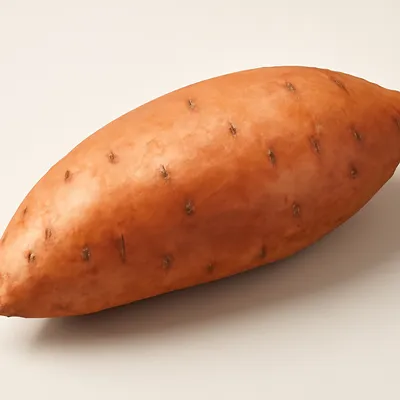
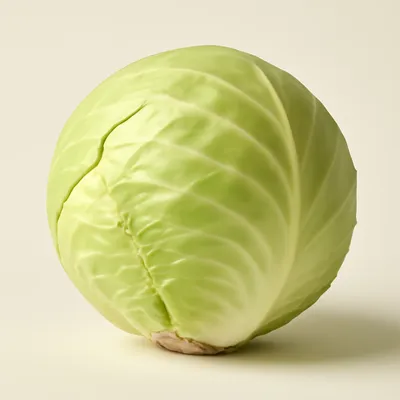
Beef or lamb simmered with peanut paste, tomato, sweet potato, cabbage, carrot, and scotch bonnet into a deep golden-brown stew. Served over rice.
Why start here · The Guinean version of the pan-Mande peanut stew. The richest, most-rooted bowl of the West African peanut tradition.
Fonio steamed with onion, ginger, peanut, and bouillon into tiny pale-yellow grains, fluffy and nutty. Gluten-free, fast-cooking, drought-tolerant.
Why start here · The Fouta Djallon's ancient Sahelian grain, now in global health-food rotation. Start here for the Pulaar highland heritage.
The Pantry



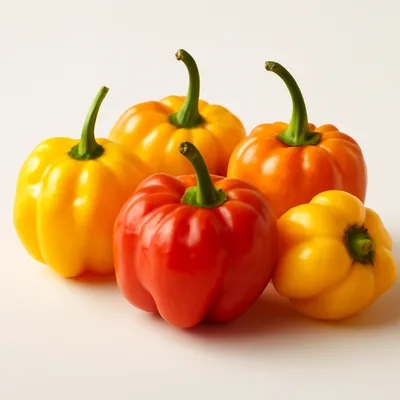



See all 31 ingredients›
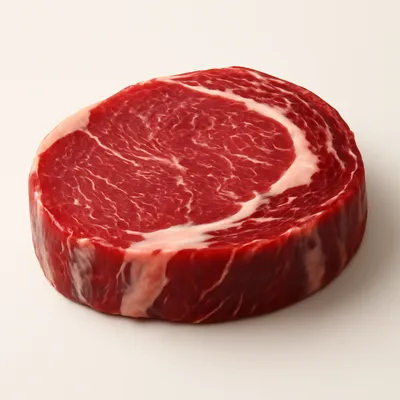
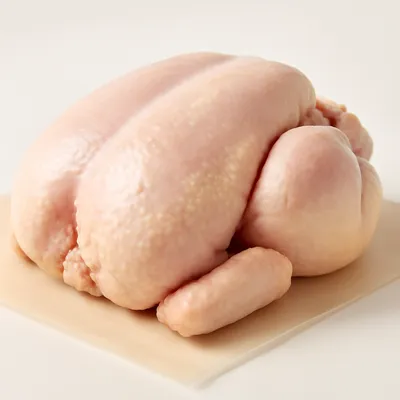


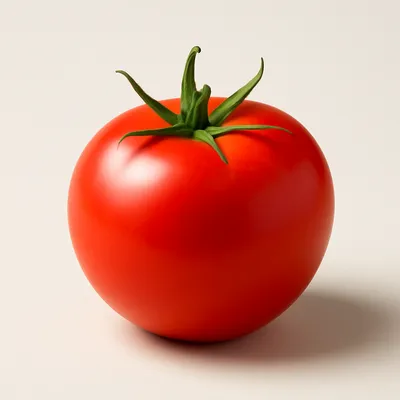




Grains & Staples

Dairy & Fats
Sauces & Condiments


On the Map
Where this cuisine is found
Regional Styles
Maritime Guinea (Conakry, Boké)
The Atlantic coast and Susu heartland. Poulet yassa, riz au gras party rice, and the strongest fish-and-coastal tradition.
Fouta Djallon (Labé, Mamou)
The cool Pulaar-Fulani highland plateau — West Africa's water tower. Fonio pilaf, peanut sauces, and the strongest mountain-Fulani dairy tradition.
Upper Guinea and Forest (Kankan, Nzérékoré)
The Mandinka and Malinké savanna and the Kissi-Kpelle forest south. Mafé peanut stew, tô millet pâte, and bush-pepper traditions.
How They Cook
Techniques that define this cuisine


