


Solomon Islands
Poi taro pounded with a wooden pestle, motu earth-oven for Christmas, kokorako chicken in coconut milk and curry, fish soup with aibika greens — 900 islands and one Pacific table.
Solomon Poi
Solomon Islands taro paste — taro root boiled until very tender, then pounded with a wooden pestle until smooth and slightly elastic. Sometimes fermented for 1-2 days for the tangy poi variant. Eaten with kokorako (chicken in coconut milk) or fish. Parallel to Hawaiian poi but distinctly Melanesian preparation. Source: Wikipedia (Cuisine of Solomon Islands, Poi).
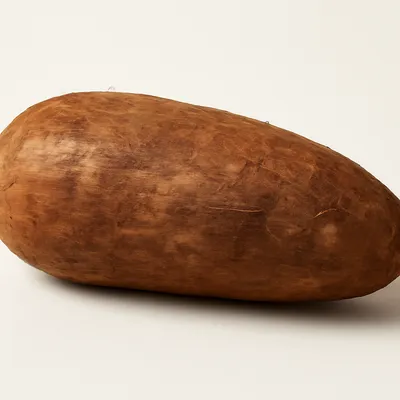
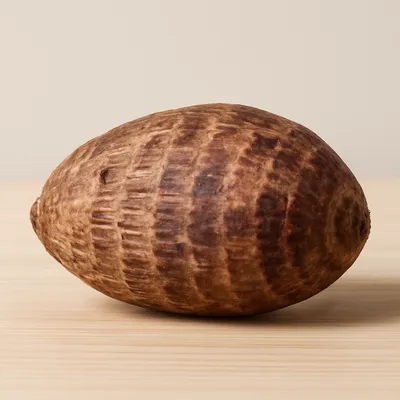
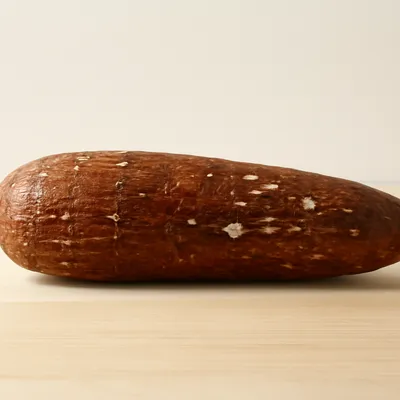
View page →Solomon Islands cooking is the food of the Melanesian archipelago east of Papua New Guinea — over 900 islands across the Solomon Sea. The cuisine descends from the Lapita ancestral Pacific traditions: taro, yam, and breadfruit are the traditional carbohydrate staples, joined by cassava after European contact. Reef and pelagic fish (skipjack tuna, yellowfin, reef snapper, parrotfish) are the universal protein. Coconut milk is the wet base of nearly every dish. The signature carbohydrate is poi — a smooth taro paste. Motu (earth-oven cooking, the Solomon equivalent to PNG mumu) is the method for big gatherings. Kokorako stew is everyday family eating.
The Palate
Start Here
Taro root boiled until very tender, then pounded with a wooden pestle until smooth and slightly elastic. Sometimes fermented for tangy variant.
Why start here · The Solomon Islands universal taro paste. Parallel to Hawaiian poi but distinctly Melanesian preparation — eaten with kokorako chicken or fish.
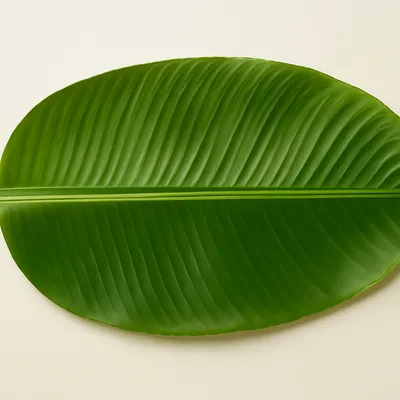
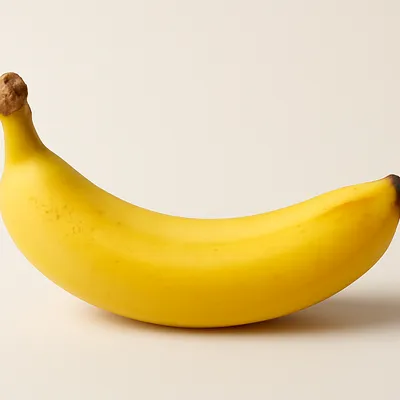
Hot stones placed in a pit, food (pork, chicken, taro, yam, banana) wrapped in banana leaves layered on top, sealed with leaves and earth, cooked 2-3 hours.
Why start here · The Solomon equivalent to PNG mumu and Māori hāngī. The universal Pacific earth-oven celebration method.
Village chicken simmered in coconut milk with onion, garlic, ginger, turmeric, and a touch of curry.
Why start here · The everyday Solomons family dinner. Reflects Pacific coconut-milk tradition with post-colonial curry-spice from Indian and Asian migration.
The Pantry












On the Map
Where this cuisine is found
Regional Styles
Guadalcanal (Honiara)
The largest island and capital region. Modern urban food culture and the everyday kokorako-and-poi household tradition.
Malaita (Auki)
The most-populous province. Strong taro and poi tradition, and the strongest cultural preservation of pre-contact Lapita cooking.
Western Province (Gizo)
The outer islands with strong fishing tradition. Reef fish soups and breadfruit-and-coconut preparations.
How They Cook
Techniques that define this cuisine


