
Ili-Altay
Northern steppe — Kazakh-Uyghur dumplings, fried boortsog, Ili black lamb.
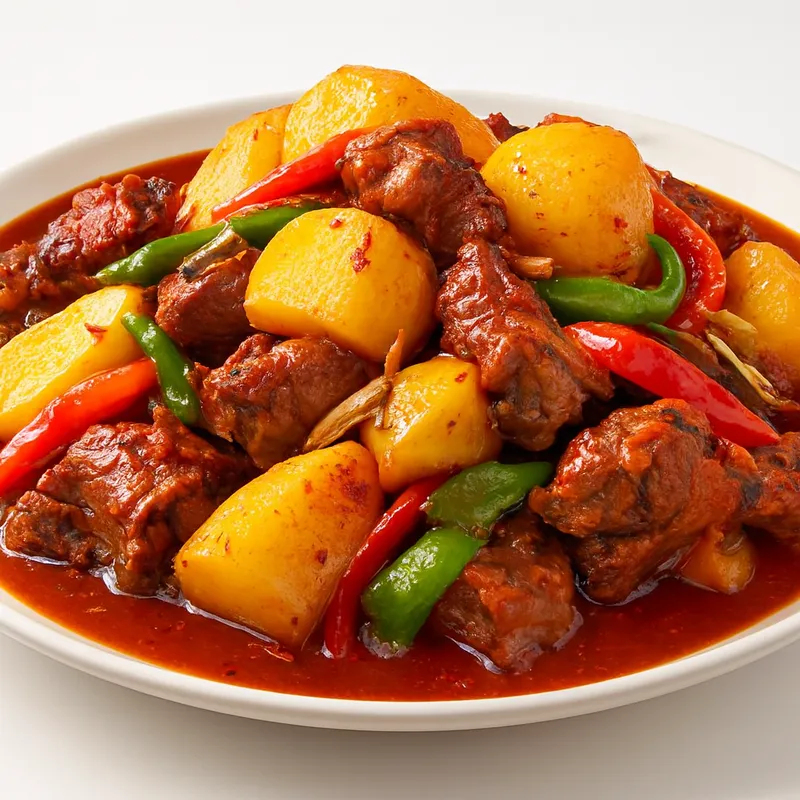
Dapanji
A spicy chicken stew with potatoes and bell peppers
View page →The Ili Valley and the Altay range run along Xinjiang's northern border with Kazakhstan, and the kitchen here is mixed — Uyghur, Kazakh, Mongol, Russian, and the Hui Dungan all overlap. The signature is meat-and-noodle gatherings. Beshbarmak (the 'five-fingers' communal platter of boiled meat on flat noodles), naren in its Yili variation, and dapanji (big-plate chicken with belt noodles, a Dungan invention that has been adopted as Yili's signature) all feed groups, not individuals. The flat noodles are wider and chewier than Kashgari pasta — closer to Lagman pulled-rope style.
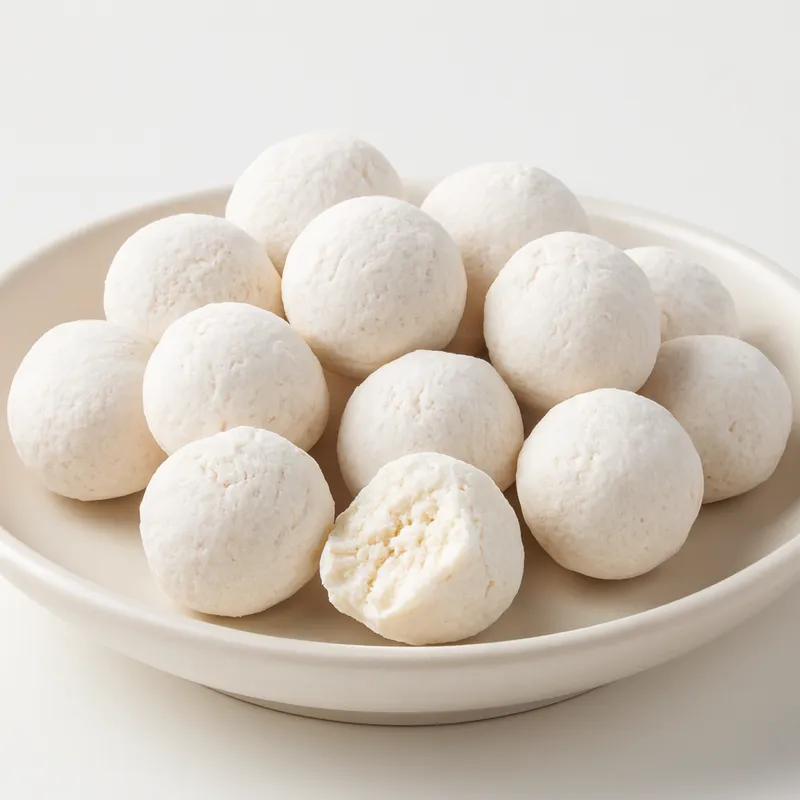
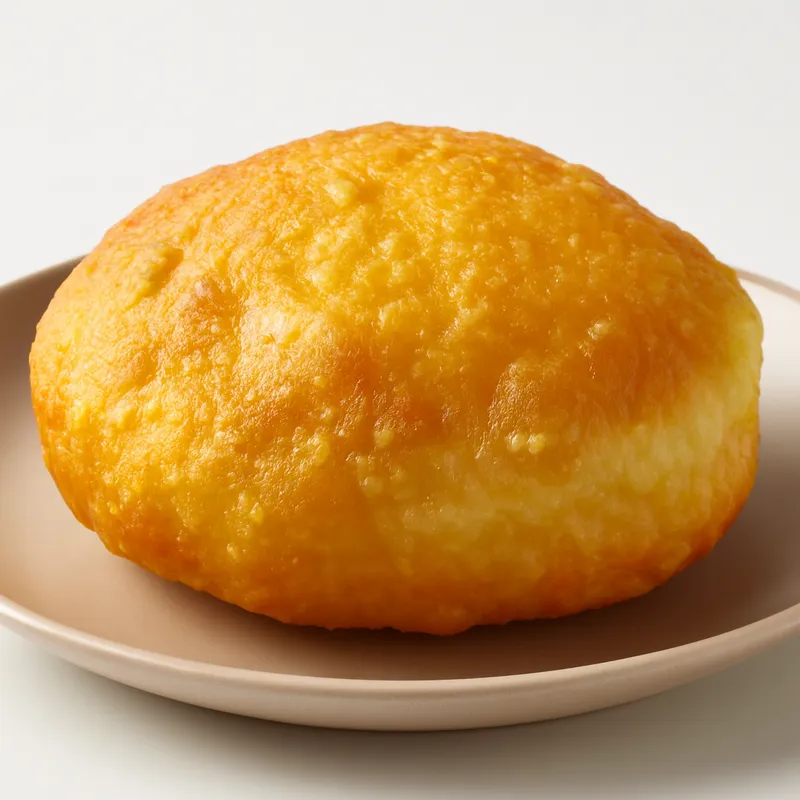
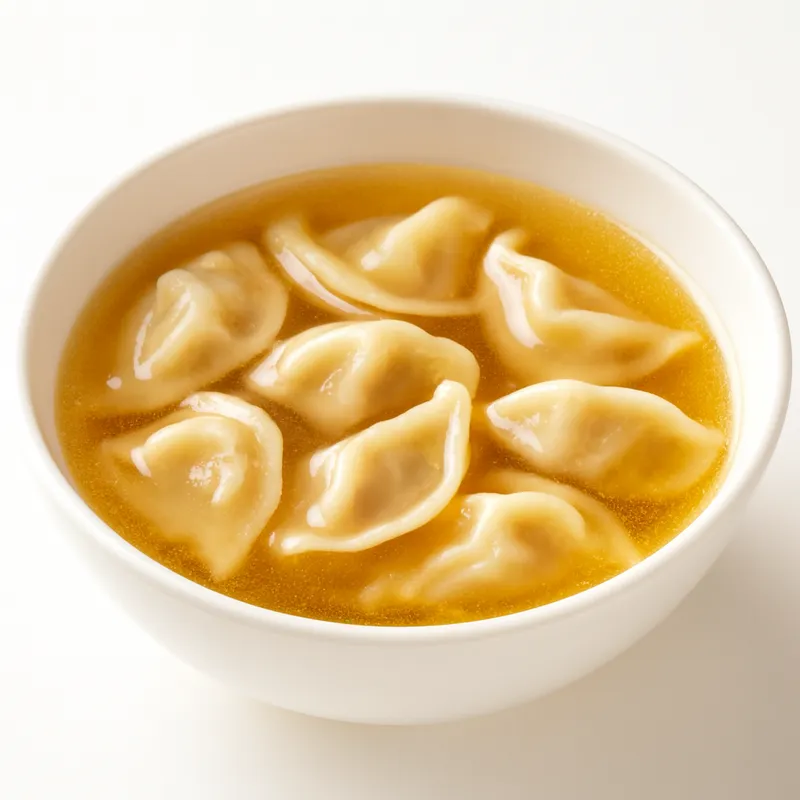
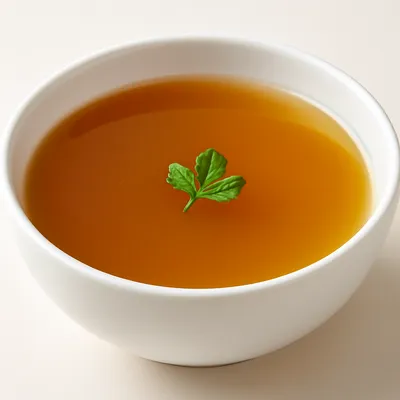
Kazakh influence shows in the dairy. Kurut — sun-dried yogurt cheese balls that travel without refrigeration — were once nomadic survival food; today they're eaten plain or rehydrated into soup. Boortsog — yeasted dough fried into pillowy diamonds — appears with every cup of milk tea. The Ili grass-fed black lamb (Ili hei yang) is famously lean and strongly flavored, prepared with little more than salt, cumin, and patience. Chuchura — small lamb dumplings in clear broth — are the everyday winter soup.
The Pantry






See all 37 ingredients›
Proteins








Grains & Staples






Sauces & Condiments



How They Cook
Techniques that define this cuisine
Other regions
Siblings within Uyghur — each its own tradition.