


Paraguayan
Corn and cassava, Guaraní soul — the soup you can slice.
Sopa Paraguaya
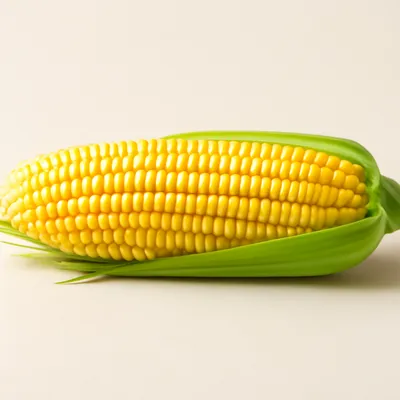
Paraguay's national dish — a thick cornbread (not a soup, despite the name) made from corn flour, fresh white Paraguayan cheese, milk, eggs, onion, and lard, baked in a pan until golden-crusty on top and creamy-cheesy inside. The dish is sliced into squares and served warm alongside asado, soups, or as the centerpiece of a Sunday family meal. The bilingual name is a Paraguay paradox: it's solid, but everyone calls it soup. According to legend, a kitchen mistake gave birth to it during the term of President Carlos Antonio López (1840s).
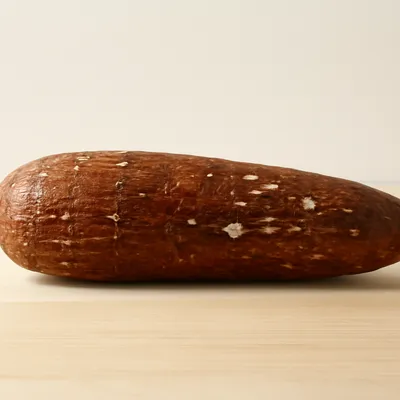
View page →Paraguay is the most-Guarani-Indigenous of South American cuisines — over 90 percent of Paraguayans speak Guarani, and the cuisine reflects 500 years of Indigenous-Spanish syncretism centered on corn (avati) and cassava (mandi'o). The signature is sopa paraguaya — which despite its name is not a soup but a thick cornbread of corn flour, cheese, milk, eggs, and onion. Other Guarani-cornbread variations: chipá (cassava-cheese rings, the universal road-trip snack), chipá guazú (corn-and-cheese cake), mbeju (cassava starch flatbread). Bori-bori (chicken soup with cornmeal-cheese dumplings), so'o yosopy (corn-and-meat soup), and mbusú (boneless beef-and-stuffing roll) are the soup-and-meat traditions. Tereré — iced yerba mate with cold water and herbs (mint, yerba buena, citrus) — is the universal hot-weather drink. Caña paraguaya (sugarcane spirit) is the daily aperitif. The cuisine is among the most Indigenous-preserved in the Americas, with Paraguayan cheese (queso Paraguay) anchoring nearly every dish.
The Palate
Start Here
A thick cornbread (not a soup, despite the name) made from corn flour, fresh Paraguayan cheese, milk, eggs, onion, and lard, baked in a pan until golden-crusty on top and creamy-cheesy inside.
Why start here · Paraguay's national dish and the misnamed comfort food. According to legend, invented in the 1840s when a cook made too-thick soup. Start here to understand the Guarani-Spanish corn-and-cheese tradition.
Bagel-shaped rings made from cassava starch, Paraguayan cheese, egg, lard, and milk, baked golden in a tatakua wood-fired oven. Chewy outside, melty-cheesy inside, gluten-free.
Why start here · Paraguay's universal road-trip snack and the Holy Week Easter tradition. The gluten-free chewy bagel-bread that has crossed Paraguay since the Jesuit Missions of the 17th century.
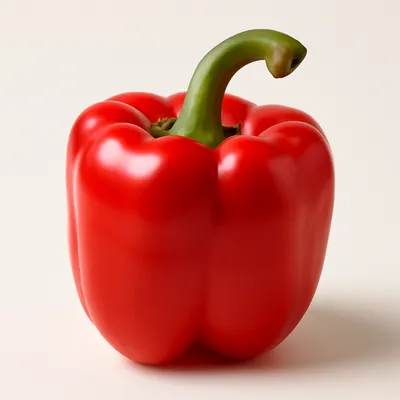
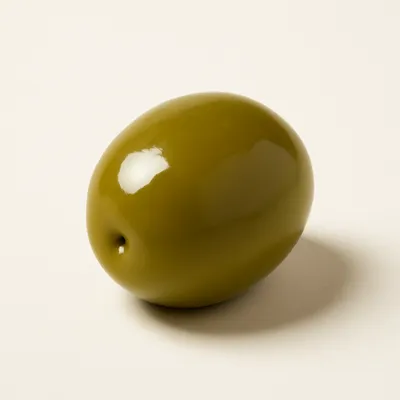
Beef flank steak butterflied flat and stuffed with hard-boiled eggs, carrots, bell peppers, olives, ham, and breadcrumbs, then tightly rolled and slow-braised in tomato broth. Sliced into pinwheel rounds.
Why start here · Paraguay's wedding-feast celebration dish. The stunning pinwheel slice reveals layers of color and flavor. Serve at celebrations and weddings.
The Pantry






See all 40 ingredients›



Fruits




Grains & Staples






Sauces & Condiments



On the Map
Where this cuisine is found
Regional Styles
Asunción and Central Paraguay
The capital on the Paraguay River. Modern restaurants, traditional dishes, and the most-developed urban food culture. Mbusú and bori-bori are the Sunday family staples.
Itapúa and Eastern Frontier
The Jesuit Mission heritage region on the Argentine-Brazilian border. Yerba mate production, German-Mennonite-immigrant influences, and the chipá tradition.
Chaco and Western Paraguay
The vast semi-arid Chaco region with Indigenous Guarani communities. Cassava and corn-based Indigenous traditions, plus Mennonite dairy heritage.
How They Cook
Techniques that define this cuisine


