


Bosnian
Burek meaning only the meat-filled phyllo (everything else is pita, the Bosnians are firm on this), bosanski lonac slow-cooked in earthenware, begova čorba — the 'bey's soup' of chicken and okra — and sogan dolma stuffed onions: Bosnian cooking is the Ottoman-Balkan kitchen at its most rooted, with Sarajevo's čaršija stew tradition unbroken since the 16th century.
Burek Bosnian
Bosnia's signature savory pie — paper-thin jufka phyllo dough rolled into a long thin coil around a generous lamb-and-onion (or beef) filling, then arranged in a spiral on a baking pan and baked until deeply golden-crisp. The Bosnian version uses ONLY meat (the cheese, spinach, or potato versions are called 'pita,' not burek). Served hot, sliced into wedges, with cold yogurt for dipping. The Sarajevo breakfast, the family Sunday meal, the wedding centerpiece.
View page →Bosnia and Herzegovina is the most-Ottoman of the Balkan cuisines — 400 years of Ottoman rule (1463-1878) shaped not just the food but the social rituals around it. The mahala (old-town district) of every Bosnian city centers on the ćevabdžinica (ćevapi shop), the burekdžinica (burek bakery), and the kafana — institutions inherited directly from Istanbul. The signature dish is Bosnian burek — meat-only, hand-stretched yufka pastry coiled into a spiral, baked in a wood-fired oven. (In Bosnia, burek means only the meat version; cheese, spinach, or potato versions are sirnica, zeljanica, krompiruša.) Bosanski lonac (slow-cooked layered meat-and-vegetable pot), begova čorba (the bey's chicken-and-okra soup), sogan dolma (whole stuffed onions), and tufahija (poached apple stuffed with walnut) are the iconic Sarajevo home dishes. Halal pork-free cooking shaped centuries of beef-and-lamb preference. Bosnian coffee (kafa) served in a džezva from a brass tray, with rahat lokum and a sip of water, is the universal hospitality ritual. Sarajevo's Baščaršija old town, Mostar's stari most bridge, and Travnik's vezirski grad all anchor regional identity.
The Palate
Start Here
Hand-stretched paper-thin yufka pastry filled with seasoned ground beef, coiled into a tight spiral, baked in a wood-fired oven until shatteringly crisp on top, juicy and tender inside. Served with kajmak or thick yogurt.
Why start here · Bosnia's most-famous street food. The Sarajevo Baščaršija dish that every visitor must try. Understand burek and you understand 400 years of Ottoman-Bosnian culinary fusion.
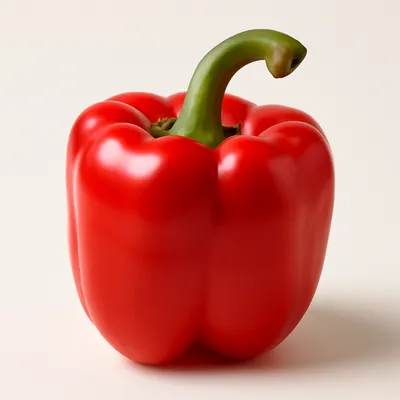
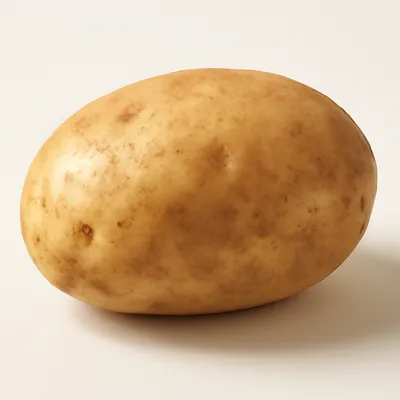
Chunks of beef and lamb layered with potatoes, cabbage, carrots, peppers, and tomatoes in a tall clay pot — without stirring — slow-cooked for 3-4 hours over low heat. Served directly from the pot.
Why start here · The household Sunday-dinner ritual. The signature one-pot peasant cooking that shows Bosnia's frugal-but-rich cooking. The layering technique is a culinary signature.
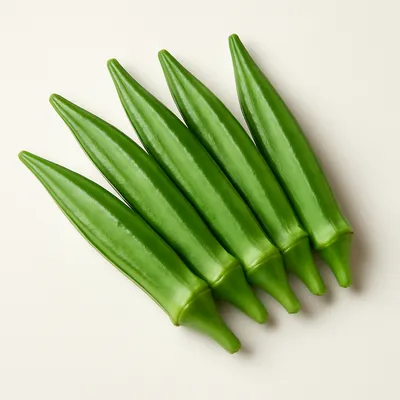
Slow-cooked chicken broth thickened with rice and okra, with root vegetables and a finish of sour cream and zaprška (paprika-flour roux). The Ottoman-bey's soup, refined and complex.
Why start here · The Sarajevo refined Ottoman-era cuisine. Demonstrates how Bosnia's complexity goes beyond peasant simplicity — this is the cuisine of Ottoman nobility.
The Pantry








See all 45 ingredients›











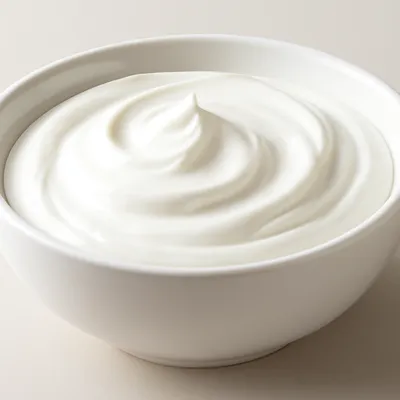
Dairy & Fats


Sauces & Condiments



On the Map
Where this cuisine is found
Regional Styles
Sarajevo and Baščaršija
The capital and Ottoman old-town heart. Burek bakeries, ćevabdžinice, kafanas serving Bosnian coffee. The center of Bosnian-Muslim cuisine.
Mostar and Herzegovina
Mediterranean-influenced south region. Sun-dried tomatoes, smoked meats, grilled trout from the Neretva river.
Banja Luka and Republika Srpska
Bosnian-Serbian north region. Pork traditions, smoked sausages, kajmak production. Belgrade-influenced cuisine.
How They Cook
Techniques that define this cuisine


