


American-Chinese
Cantonese cooking that learned to speak American: sweeter, crisper, and served by the carton.
General Tso's Chicken
Crisp dark-meat chicken in a glossy sweet-and-spicy red sauce, it is the dish most Americans picture when they think Chinese food, yet it exists almost nowhere in China. Born in mid-century New York from a Hunanese chef's original, it captures exactly how this cuisine took a real Chinese idea and reshaped it for the American plate.
View page →This is the food Chinese immigrants built in America, not the food they left behind. Most early cooks came from Toishan and the Pearl River Delta of Guangdong, arriving for the Gold Rush and the railroads from the 1850s on; when exclusion laws shut other doors, the chop suey house became one of the few trades open to them. Working with American produce, cheaper cuts, and customers who wanted things they recognized, they sweetened the sauces, deepened the fry, and leaned on broccoli, carrots, and bottled condiments their home kitchens never used. The result is its own cuisine, not a watered-down copy: dishes like General Tso's chicken, chow mein, beef and broccoli, and egg foo young were invented or reshaped here, in Chinatown kitchens and small-town storefronts from New York to San Francisco. The takeout carton, the lacquered red sauce, and the fortune cookie are American inventions through and through. Order it for what it is, a hundred-year-old immigrant craft, and it holds up.
The Palate
Start Here
Bite-sized chicken pieces deep-fried until shatteringly crisp, then tossed in a glossy sweet, tangy, and gently spicy soy-and-vinegar sauce sparked with dried chilies, garlic, and ginger. An icon of American-Chinese cooking.
Why start here · The flagship: sweet, tangy, lightly hot, and built on that signature crackly fry. If one plate explains the whole cuisine, it is this one.
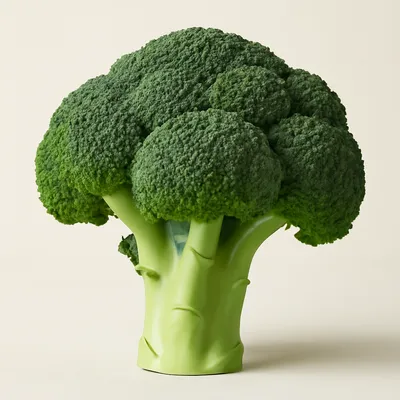
Tender velveted beef slices stir-fried with crisp broccoli florets in a savory, glossy brown sauce of soy, oyster sauce, and garlic. A cornerstone of Cantonese-American restaurant menus.
Why start here · The everyday workhorse: tender sliced beef and crisp broccoli in a savory brown garlic sauce, broccoli itself an American swap for Chinese greens.
A fluffy Chinese-style omelette folded with bean sprouts, scallions, and bits of meat or shrimp, pan-fried into patties and napped with a savory brown gravy. A classic of Cantonese-American cooking.
Why start here · A Chinese-American original you rarely see in China: a fluffy egg omelet folded with bean sprouts and pork or shrimp, blanketed in brown gravy.
Deep-fried wonton wrappers folded around a sweet, tangy filling of cream cheese and crab, served crisp and golden with a sweet-and-sour or sweet chili dip.
Why start here · The deep-fried wonton filled with cream cheese and crab, an unmistakably American invention that shows how far this kitchen wandered from its roots, and how good the detour tastes.
The Pantry







See all 48 ingredients›



Vegetables






Herbs & Spices



Grains & Staples




Dairy & Fats






How They Cook
Techniques that define this cuisine
Kindred Kitchens
Cuisines built on the same signature ingredients


