


Mauritian
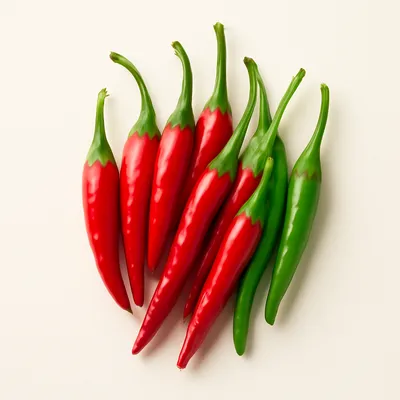
Dholl puri stuffed with yellow split peas, cari poulet with massalé and combava, biryani Mauricien dum-cooked saturdays, rougail saucisses with bird's eye chili, bol renversé with Cantonese stir-fry — the world's most-mixed cuisine, where Indian-immigrant heritage layered over French-colonial techniques, Hakka-Chinese noodle traditions, African-Bantu staples, and Creole island adaptations.
Dholl Puri
Mauritius's national street food — thin flatbreads stuffed with seasoned ground yellow split peas, griddled to order, served with three sauces (tomato cari, butter-bean cari, mazavaroo chili paste). The dish that crosses every Mauritian community boundary.
View page →Mauritian cooking is the cuisine of the world's most-multicultural plate — French-colonial techniques layered over Indian-immigrant heritage, Chinese-Hakka noodle traditions, African-Bantu staples, and Creole island adaptations. The country's signature dish dholl puri (yellow-split-pea-stuffed flatbread) reflects this layered identity: an Indian-Mauritian invention that became the universal Mauritian street food. Cari Mauricien (curries with massalé spice blend), rougail (raw chili-tomato condiment), and bol renversé (upturned bowl Chinese-Mauritian rice dish) define the home table. Every street has a faratha-and-cari stall; every weekend has biryani; every December has fresh lychees. The most-mixed cuisine on Earth.
The Palate
Start Here
Mauritius's national street food — thin flatbread stuffed with seasoned ground yellow split peas, served with three sauces.
Why start here · Dholl puri teaches the layered identity of Mauritian food — Indian technique transformed by Mauritian geography. Eat one folded over the three sauces to understand what 'Mauritian' tastes like.
Mauritian chicken curry — bone-in chicken in massalé-spiced tomato sauce with combava leaves and curry leaves.
Why start here · Cari poulet shows the Indian-Mauritian heritage at its most refined — massalé spice plus combava aromatic plus tomato base. The household centerpiece dish.
Sino-Mauritian 'upturned bowl' — chicken stir-fry inverted over rice with a fried egg on top.
Why start here · Bol renversé teaches that Mauritius isn't just Indian-French — the Chinese community shaped the cuisine too. The presentation flip is part of the dish's pleasure.
Smoked Creole sausages simmered in tomato-onion-combava sauce, the Wednesday-evening home dinner.
Why start here · Rougail saucisses is what Mauritians actually eat on weeknights — quick, deeply-flavored, completely Mauritian. Cook it once for a window into the everyday.
The Pantry





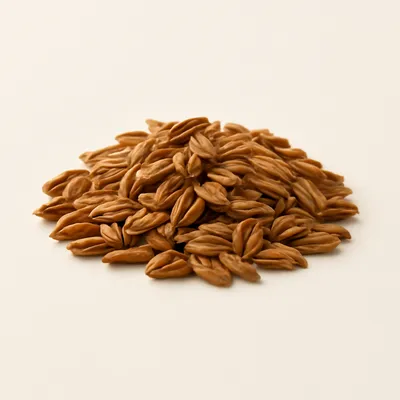
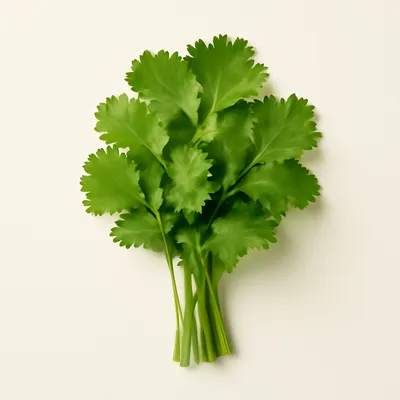

See all 62 ingredients›
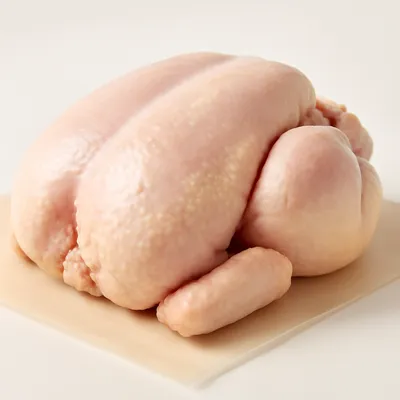

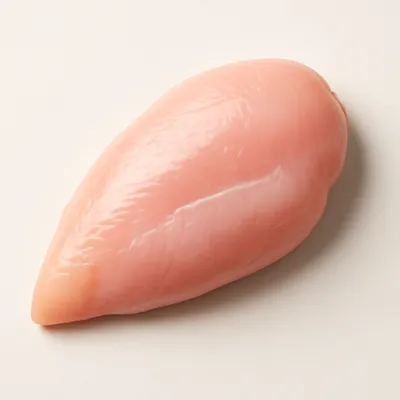



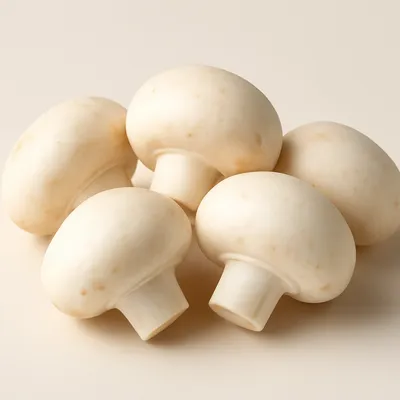

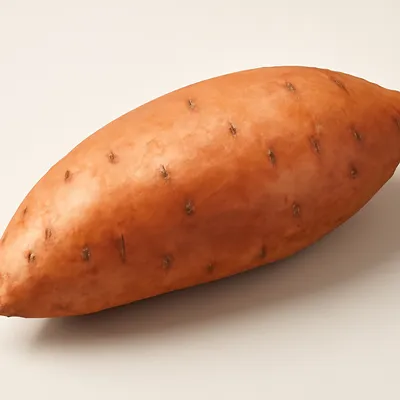
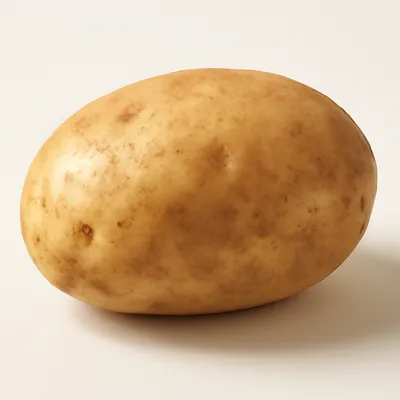

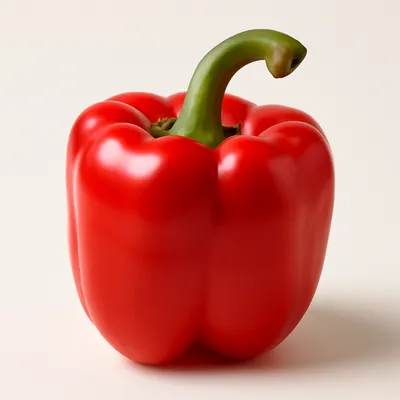

Herbs & Spices



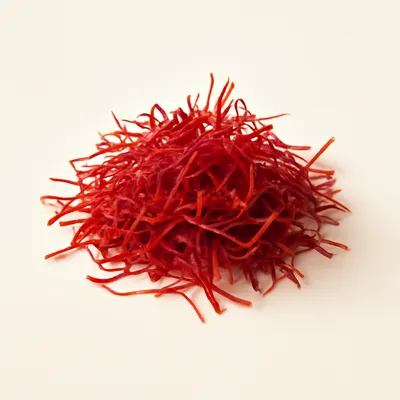
Grains & Staples


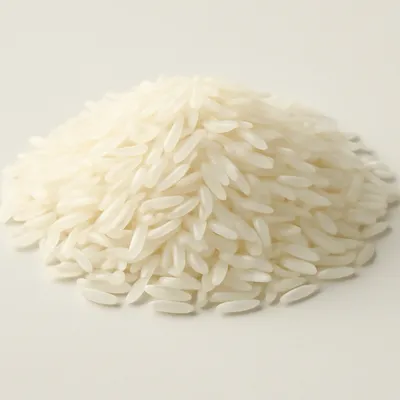


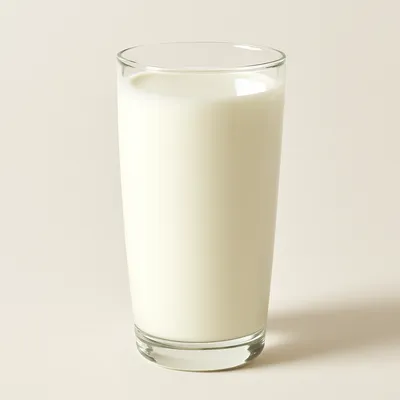
Dairy & Fats





On the Map
Where this cuisine is found
Regional Styles
Port Louis & North
Capital and northern district — Indian-Mauritian heart, dholl puri kiosks, biryani trucks, fresh-lychee December markets. The country's culinary headline.
Curepipe & Central Plateau
Highland central region — cooler climate, vegetables and tea. Sino-Mauritian community, bol renversé restaurants, Hakka mine frite.
South Coast & Pamplemousses
Sugarcane fields, coastal fishing villages, Tamil-Mauritian heritage. Octopus vindaye, rougail saucisses, smoked-fish specialties.
How They Cook
Techniques that define this cuisine
See 4 more techniques›
Kindred Kitchens
Cuisines built on the same signature ingredients


